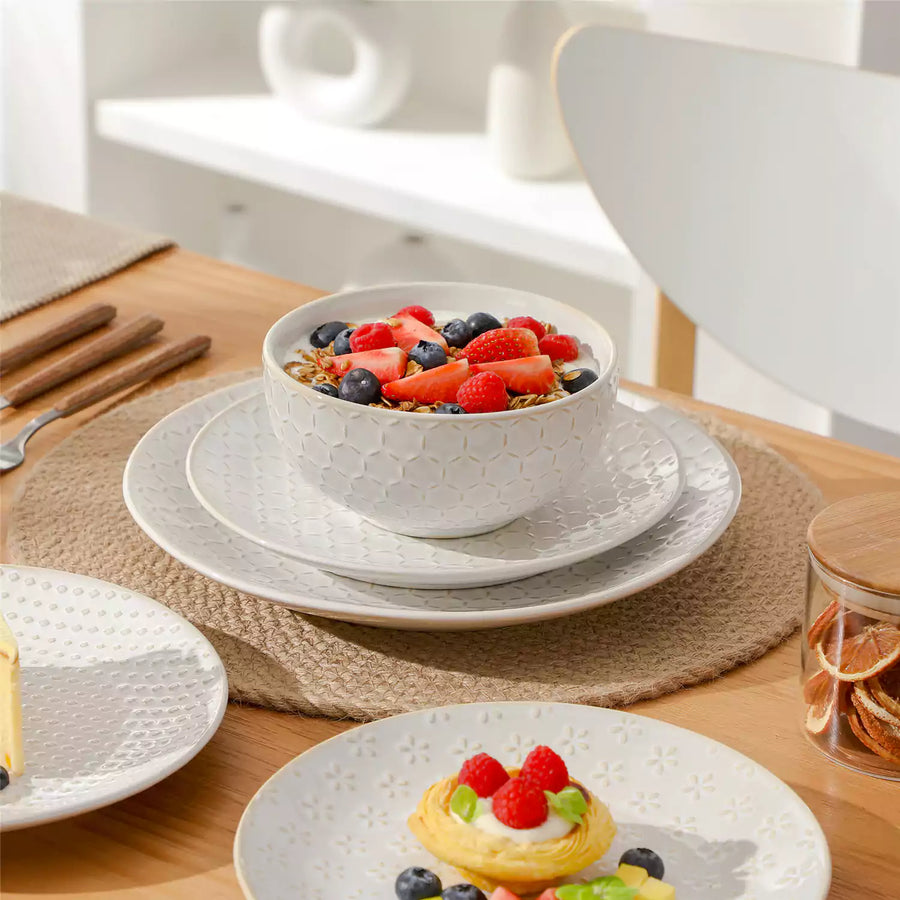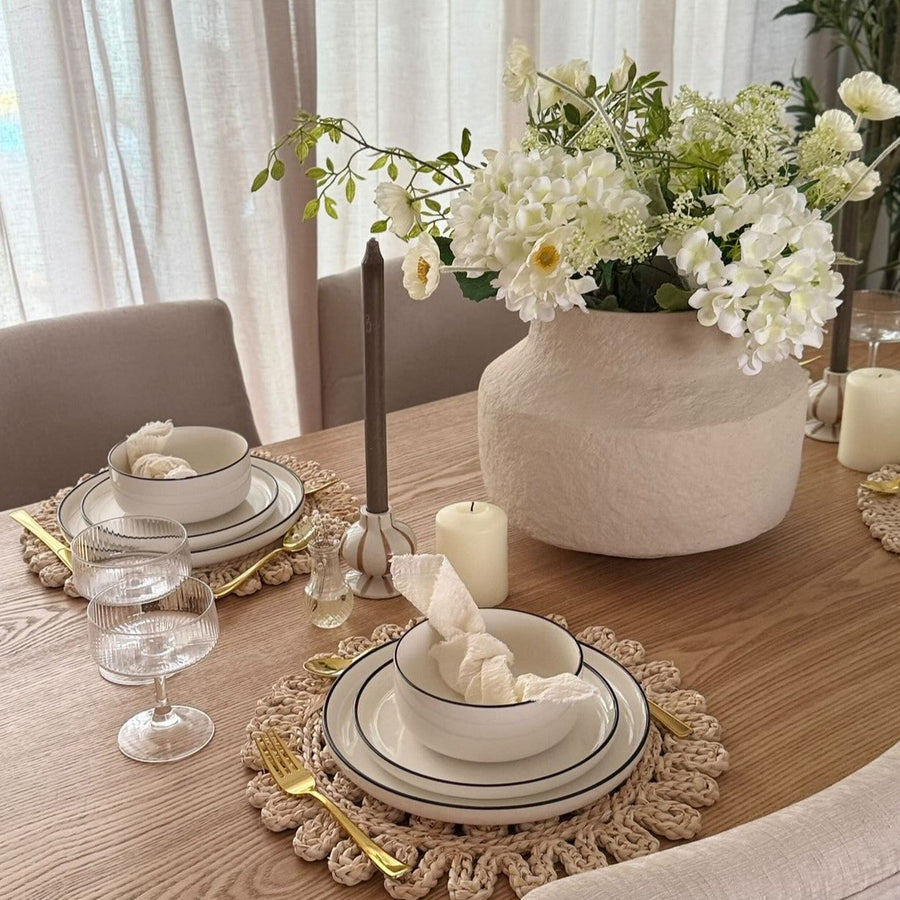


A well-decorated cheese board has become the focal point of contemporary entertaining. Whether you are having a small family dinner or a fancy dinner, a well-planned cheese board will immediately make the event special. Cheese boards are traditionally served on wooden planks or slate slabs, but there is a trend toward porcelain dinnerware, and with reason. Porcelain provides a cleaner surface, elegant design, and unparalleled versatility. With serving dishes, white plates, and square dinnerware sets, you can replicate the beauty of a cheese board while maintaining a cleaner, more elegant look.
This guide will show you how to make the best cheeseboard with porcelain rather than wood. You will learn how to make a restaurant-quality spread at home, one that looks beautiful, keeps your dishes safe, and keeps food safety in mind, starting with the choice of the correct base, pre-cutting cheese, and creating a balanced layout.
Selecting the Ideal Porcelain Base for Your Spread
The surface you use is the basis of any great cheeseboard. In the case of porcelain, the idea is to replicate the spaciousness of a classic board but to take the presentation to a higher level. Big white dishes or oversized porcelain serving dishes are particularly effective, particularly those with clean lines and gentle forms that enable the food to be the focus.
This is especially useful with square dinnerware sets. Their wide, flat surface provides sufficient space to place cheeses, fruits, and accompaniments without congestion. A porcelain dish with a soft square or slightly rounded edge is the ideal balance between modern and classic, providing structure without being rough. This shape frames the spread beautifully while remaining elegant and approachable.
Porcelain is also non-porous and thus much more hygienic than wood. It does not absorb oils, odors, or bacteria, so that delicate cheeses do not lose their intended flavor. Porcelain is a simple upgrade that can be easily made by hosts who appreciate both beauty and functionality and can immediately improve the dining experience.

The Significance of Pre-Cutting Cheese before Plating
Pre-cutting the cheese is one of the most neglected processes in making a perfect cheeseboard. Although it might appear rustic to cut cheese at the table, it can affect both hygiene and appearance, particularly with porcelain. Even the finest dinnerware sets can be scratched by sharp knives dragged across plates and dulled with time.
By pre-cutting your cheese, you can regulate the size of your portions, make it look pretty, and save your porcelain dish. Soft cheeses may be cut into wedges, semi-hard cheeses into small rectangles, and hard cheeses into thin shards or cubes. This is not only a preparation that makes serving the guests easier but also makes the flow of the gathering smoother.
Food safety-wise, pre-cutting also reduces repeated handling. Visitors can serve themselves easily without having to touch common knives or hover over the dish. This minor detail will go a long way in establishing a sophisticated, sanitary environment that is deliberate and thoughtful.
Designing a Visually Balanced Arrangement
When your porcelain base and cheeses are prepared, it is time to concentrate on design. A balanced cheeseboard must not look overcrowded. Begin by placing your cheeses evenly on the plate, allowing each type to shine. The most important thing is to contrast the light and dark cheeses, smooth and rough surfaces, and various shapes to make the arrangement interesting to the eye.
This contrast is made beautiful by using white plates as your base. The plain background emphasizes the natural hues of the cheese, from creamy brie to deep golden aged cheddars. Prepare accompaniments like grapes, figs, or nuts in small groups around the cheeses instead of randomly sprinkling them. This gives the impression of rhythm and movement on the platter.
The gentle geometry of square dinnerware sets is particularly effective here. Their edges are organized to direct the eye, and the rounded corners make the whole appearance soft. The outcome is a spread that is both edited and casual—just what hosts need to present a dinnerware display without being overdone.
Using Small Dishes for Dips and Olives
A well-finished cheese board includes minor details, and that is where serving dishes are involved. Rather than putting wet or oily foods on the main platter, serve dips, olives, honey, or chutneys in small porcelain bowls. This maintains flavors separate and does not allow moisture to spread on the plate.
The smooth surface of porcelain is perfect with these accompaniments. Visual unity is achieved by small, similar dishes, which support the impression of deliberate design. When properly organized, they provide depth and volume to the cheese board, making it look stratified and vibrant.
Separate porcelain dish elements also help keep your main platter clean and make cleanup easier. Once the party is over, all can be placed directly into the dishwasher- another reason why porcelain is frequently regarded as one of the best dinnerware collections to use when entertaining.
Completing the Experience with Individual Plates
A cheese board is not only about the plate, but also about how guests will consume it. Serving personal dishes is the finishing touch and supports a feeling of attention and elegance. Guests can create their own mini compositions on small white plates, matching cheeses and accompaniments at their own speed.
This method is both classy and convenient. It minimizes congestion around the central platter and maintains a clean table during the event. Plating individual dishes with your main serving dishes will make your table look like a complete whole that is purposeful throughout.
When your porcelain dinnerware is uniform in tone and style, the whole ensemble is raised. Visitors might not be aware of all the details, but they will feel the difference. This is what makes a cheeseboard a memorable hosting experience.

Conclusion
The art of making the ideal cheese board is not only about choosing good cheese but also about presentation, preparation, and details. Replacing wooden boards with porcelain dinnerware will result in a cleaner, more sophisticated, and easier-to-maintain setup. Pre-cutting cheese to save your dishes, serving dishes, and white plates to create a balanced layout, each decision leads to a sophisticated outcome.
With the right porcelain base and a little planning, you can create a cheese board that’s not only visually stunning but also hygienic, practical, and effortlessly sophisticated. Create a cheese board that is as hygienic as it is beautiful with thoughtfully designed porcelain dinnerware.
Ready to turn simple gatherings into unforgettable hosting moments? Elevate your cheese boards and shared spreads with porcelain dinnerware designed for both beauty and practicality.
The Elisa Collection brings together soft square forms, refined grey-white tones, and minimalist elegance—perfect for creating a hygienic, restaurant-quality presentation at home. From stylish serving dishes to versatile white plates, every piece is crafted to frame food beautifully without distraction. Invest in one of the best dinnerware sets and enjoy effortless entertaining that feels polished, intentional, and timeless—because great food deserves an equally elegant table.