

Dessert plates are smaller than standard dinner plates, making them useful for serving modest portions of cake, snacks, fruit, and lighter meals. However, a smaller plate does not automatically reduce how much you eat. Its main value is practical: it limits the initial serving area and makes a planned portion easier to see. Used alongside balanced food choices and attentive eating habits, dessert plates can support portion awareness without requiring every meal to be weighed or measured.
Can Smaller Dessert Plates Help With Portion Control?
Plate size can influence how much food people initially serve themselves. A smaller surface leaves less room for food and may make a moderate portion look more complete. This can be especially useful when serving food directly onto your own plate.
Research on plate size and actual food intake is mixed. A Cochrane review found that people generally consume more when presented with larger portions, packages, or tableware. In contrast, a 2019 randomized study found no clear difference in calorie intake between people using larger and smaller plates for a self-served meal.
A dessert plate may help control the first portion, but it cannot guarantee lower calorie intake. Hunger, food type, serving habits, and whether you return for seconds still matter.
An ordinary dessert plate also differs from a dedicated portion-control plate. Portion-control plates often include divided sections, markings, or food-group guides. A regular dessert plate provides less serving space but does not determine what foods or quantities you should choose.

What Size Dessert Plate Should You Use?
Dessert plates are generally smaller than dinner plates, but exact dimensions vary between manufacturers. Many fall within the 7- to 9-inch range.
A plate around 7 to 8 inches can work well for cookies, a slice of cake, small pastries, fruit, or a snack. An 8- to 9-inch plate provides more room for desserts with sauces, ice cream, fruit garnishes, sandwiches, breakfast foods, or lighter meals.
For a balanced main meal, the CDC plate method starts with a 9-inch plate. This is slightly larger than some dessert plates, so check the actual diameter instead of relying only on the product name.
The smallest available plate is not always the most useful choice. Select a size that holds the intended portion without requiring food to be stacked or crowded.

Use the Plate to Set the First Portion
A smaller plate works best when it helps you decide how much to serve before eating. The following habits make that visual cue more useful:
- Place the intended portion on the plate instead of eating directly from a bag, box, or serving dish.
- Keep the remaining food away from the table when practical.
- Arrange food across the plate instead of stacking it vertically.
- Finish the first portion and pause before deciding whether you want more.
- Take another portion if you are still physically hungry rather than treating the plate as a strict limit.
For cake and pie, cut the serving before placing it on the plate. For cookies, chocolates, or crackers, choose the number you intend to eat and put the package away. Individual ramekins can establish a clear serving for puddings, cobblers, custards, and baked desserts.
These methods make the amount of food visible. They are more reliable than expecting the plate alone to control eating.

Build a Balanced Meal on a Smaller Plate
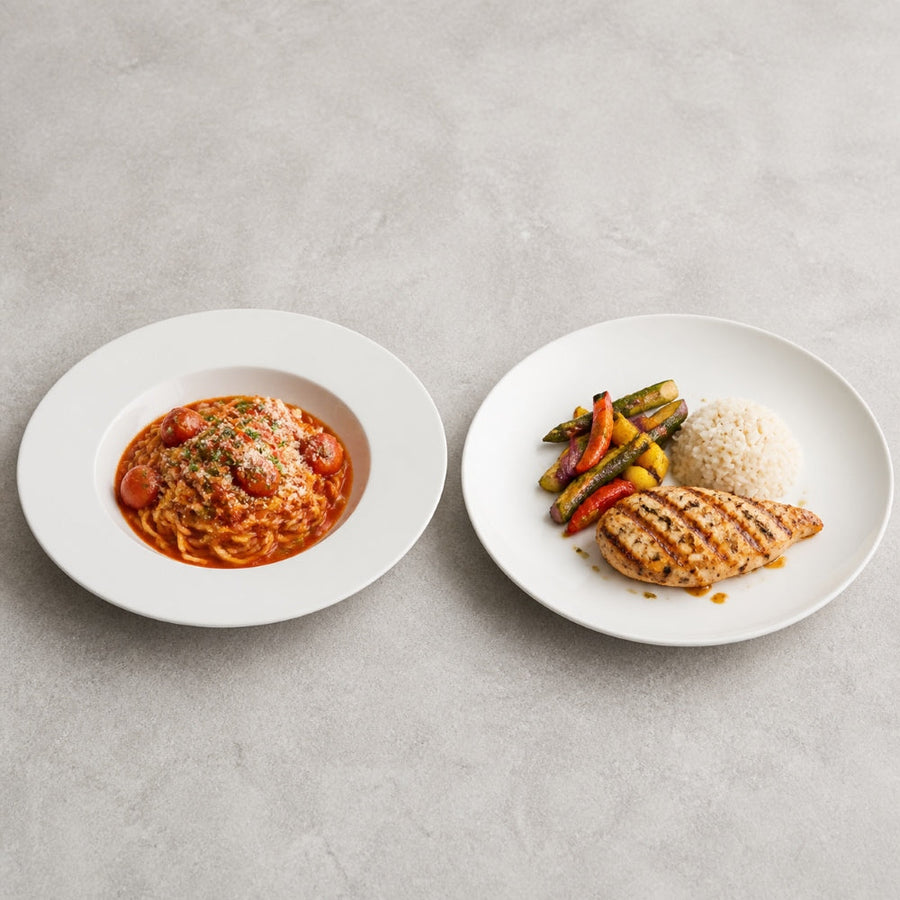
Dessert plates are not limited to sweets. Depending on their size, they can also be used for breakfast, lunch, snacks, side dishes, and lighter evening meals.
When using one for a main meal, consider the proportions of the food rather than filling every available space with one item. A simple visual guide is:
- Fill about half the plate with non-starchy vegetables.
- Use one quarter for protein.
- Use the remaining one quarter for grains or other carbohydrate foods.
This approach is more useful than simply placing a smaller version of an unbalanced meal on the plate. A small plate filled mainly with fried food, frosting, or other energy-dense foods may still contain more calories than a larger plate built around vegetables, protein, and whole foods.
Individual needs also vary. Children, active adults, older people, and people with specific nutritional requirements may need different portions. Plate size should be a flexible visual guide rather than a universal rule.
Combine a Smaller Plate With Mindful Eating
Mindful eating involves paying attention to the food, your eating pace, and your physical hunger and fullness cues. According to the Harvard T.H. Chan School of Public Health, mindful eating practices may help people slow down, recognize fullness, and become more aware of their eating habits. Research does not show that these practices consistently produce weight loss, so they should not be treated as a guaranteed result.
Once you have served the food, sit down and eat without rushing. Notice its flavor and texture, and reduce distractions when possible. Eating more slowly gives you more time to decide whether you are satisfied before returning for another portion.
The purpose is not to make yourself feel full through an optical trick. It is to make the serving visible and give yourself time to respond to genuine hunger.
FAQs
Q1. What Is the Difference Between a Portion and a Serving Size?
A portion is the amount of food you choose to eat at one time. A serving size is a standardized quantity used on nutrition labels or in dietary guidance. Your portion may be larger or smaller than the listed serving size, depending on your needs and the rest of the meal.
Q2. Can Children Use Dessert Plates for Regular Meals?
A smaller plate can make an age-appropriate meal easier to serve, but it should not be used to pressure a child to eat less. Children’s energy needs change as they grow and become more active. Start with a suitable amount, allow them to ask for more, and avoid requiring them to clear the plate when they feel full.
Q3. Does Plate Color Affect Portion Control?
Plate color may change how clearly food stands out from the background, but there is no single color that reliably controls portions. Contrast can make the amount of food easier to see, while plate size, food arrangement, and serving habits usually provide more practical guidance.
Q4. Should Every Dessert Be Served on the Same Size Plate?
No. A cookie or small pastry needs less space than cake with fruit, ice cream, or sauce. Choose a plate that comfortably holds the dessert while leaving a modest border around the food. This improves presentation without encouraging an unnecessarily large serving.
Choose a Dessert Plate That Fits Your Routine
A useful dessert plate should match the foods you normally serve. Check the diameter, usable eating surface, and rim shape. Also consider whether the plate fits comfortably in your cabinets and dishwasher. Porcelain is a practical option for both everyday meals and more formal table settings because of its smooth, nonporous surface.
Our dessert plates include porcelain options in different shapes and designs, including 8.5-inch plates. This size provides room for a plated dessert, snack, breakfast, or light meal while remaining smaller than a typical dinner plate.
A dessert plate works best as part of a simple routine: choose an appropriate size, serve food intentionally, eat at a comfortable pace, and take more when you are still hungry.