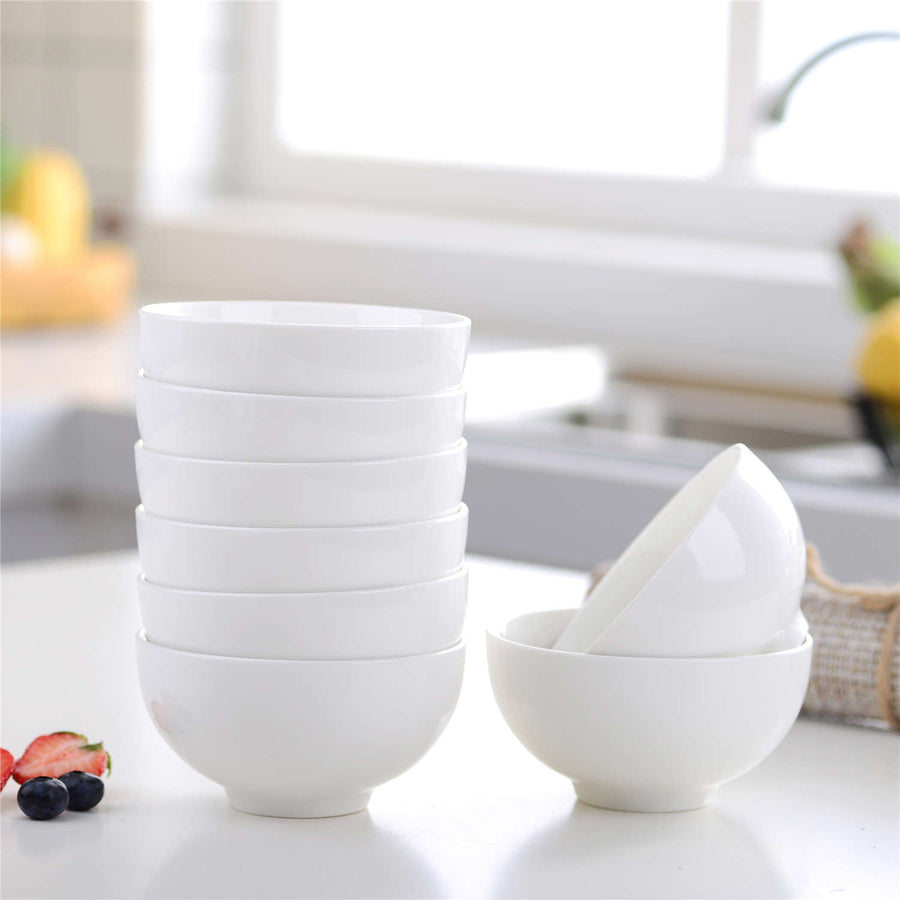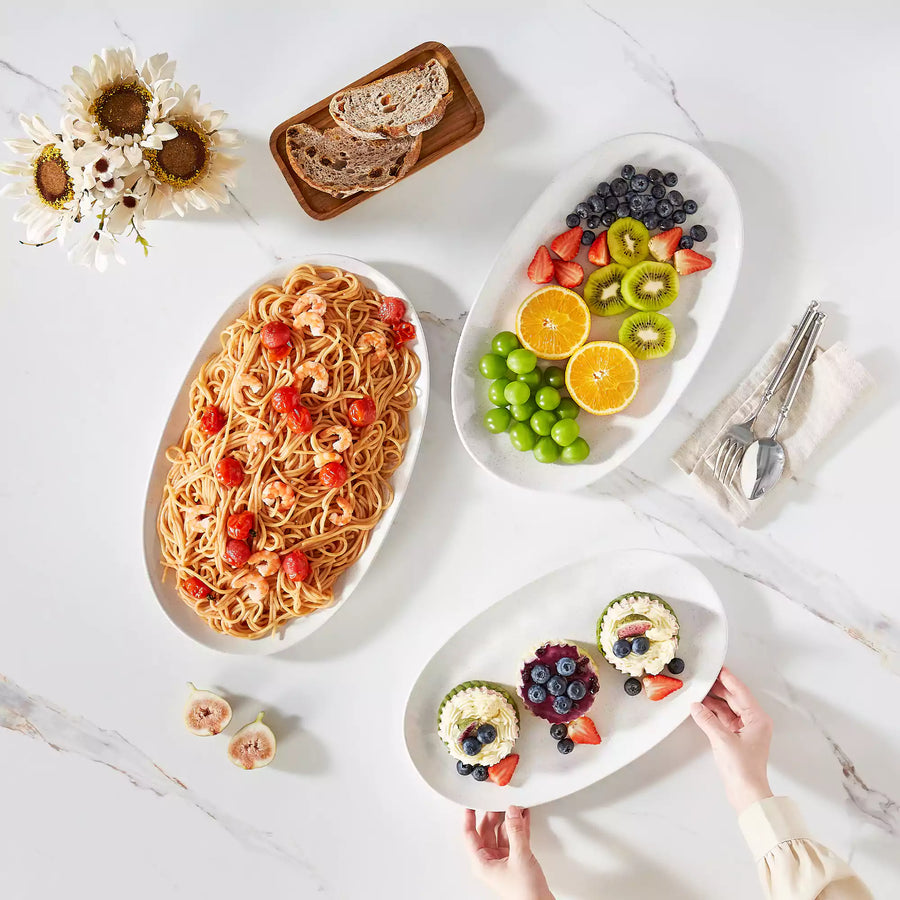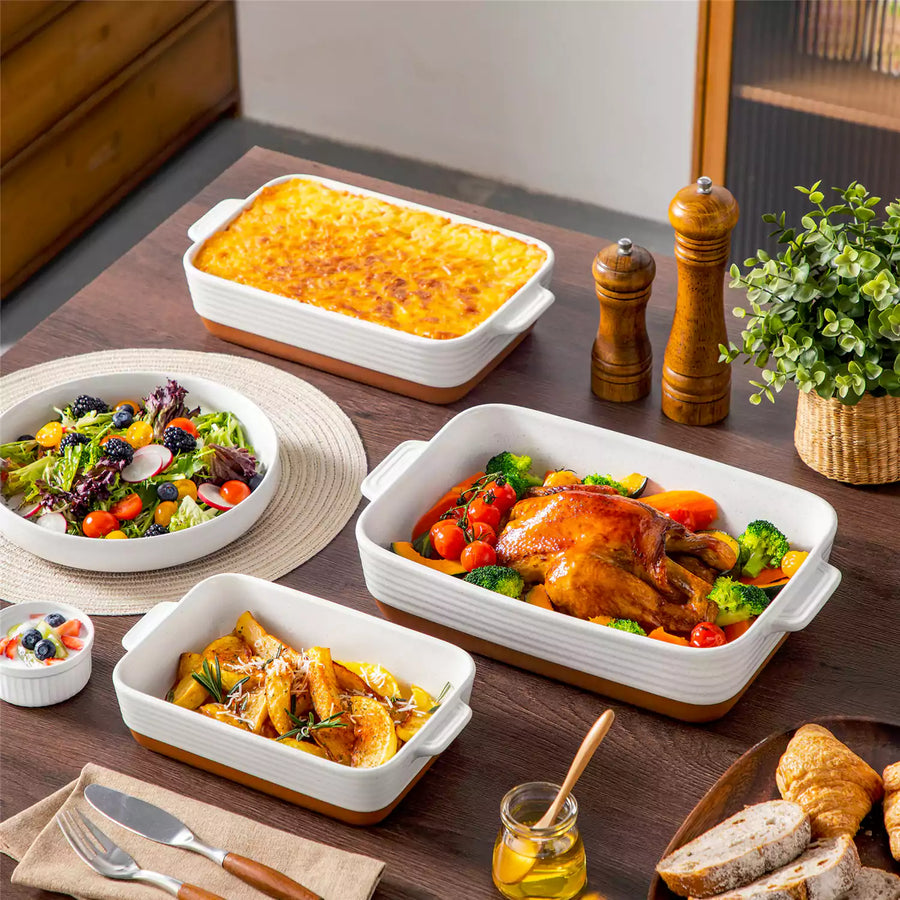


White bowls are a timeless addition to any kitchen because they match every table setting and make meals look more appealing. Whether you have just one ceramic bowl, beautiful porcelain bowls or a full white dinnerware set, maintaining their brightness and stain-free condition will keep them looking beautiful for years to come. However, foods like tomato sauce, curry, tea, and coffee are known for leaving behind stubborn stains. The natural pigments may adhere to the glazed surface, particularly if the bowl is not washed after use.
Fortunately, most food stains are just surface stains and do not harm the glaze. The key is using gentle cleaning methods instead of harsh scrubbing that may wear down the finish. With the proper method, your small ceramic bowls, large ceramic bowl and serving pieces can remain as clean as the day you purchased them. This guide will help you recognize various types of marks, safely remove common food stains, and avoid damaging cleaning methods and prevent future discoloration.

Surface Stain, Utensil Mark, or Glaze Damage — How to Tell the Difference
It is helpful to know what caused a mark before cleaning it. Not all discoloration is a stain, and some cleaning techniques can cause more damage than benefit.
Surface stains are typically from colored foods or drinks, like tomato sauce, curry, tea, coffee, berries or soy sauce. The stains are yellow, orange or brown in colour and lie on the top of the glaze. They do not harm the ceramic and are typically removable with the proper cleaning.
Utensil marks are frequently grey or black streaks. They are caused when metal flatware comes into contact with the glaze, resulting in minute amounts of metal being left behind instead of food residue. They may look permanent, but they require cleaning methods that are different from those used for food stains.
It is also important to inspect your bowl for glaze damage. Crazing, chips around the rim or worn glaze are physical damage and cannot be washed away. When glaze is damaged, stains can become more readily trapped and are harder to clean. If a cherished ceramic bowl is badly damaged, it may be best to replace it.
What to Do Right After Tomato Sauce, Curry, Tea, or Coffee Touches the Bowl
The best way to get rid of stains is to avoid getting them in the first place. Rinse the bowl under warm running water right after eating or drinking. This will wash away most of the food residue before pigments can adhere to the glaze.
If you can't wash the bowl immediately, place warm water in the bowl and add a few drops of mild dish soap. Let it sit for approximately 20-30 minutes. This easy step will soften dried food particles and release oils that can be a source of stains.
Don't leave tomato sauce, curry, tea or coffee in white bowls overnight. When liquids evaporate, the pigments are left behind and are much more difficult to remove. Rinsing is particularly important after eating food that contains turmeric or tomato paste, as these are naturally high in coloring compounds.
A quick rinse and soak after every use can save you from deeper cleaning later.

A Gentle Cleaning Order for Everyday Food Stains
Always use the least severe method of cleaning that is possible when cleaning porcelain bowls or other glazed ceramics. The gentle cleaning preserves the glossy finish while removing most of the common stains.
Use warm water, mild dish soap and a soft sponge or microfiber cloth to clean the bowl. This might be sufficient for fresh stains.
If discolouration remains, make a simple paste with baking soda and a little water. Apply the paste lightly to the stained area and allow it to sit for 5-10 minutes before removing with a soft cloth. Baking soda is a mild cleaning agent that won't scratch the glaze.
Use only a manufacturer-approved ceramic cleaner for stubborn stains that may not be removed after several gentle attempts. If the bowl is patterned or colored, always test the cleaning product on a small, inconspicuous area first.
Don't be tempted to rub more vigorously if the stains don't go away right away. Several light cleanings are safer than a single deep cleaning, as it may damage the glaze permanently.
For hardy everyday bowls that are easy to care for, MALACASA has a great variety of glazed ceramic and porcelain bowls for everyday use.
How to Treat Tomato and Curry Stains Without Scratching the Glaze
Common foods that stain include tomato sauce and curry, which contain strong natural dyes and cooking oils. Tomato and turmeric in curry are rich in lycopene and curcumin, respectively, which are both very effective natural colourants that can stick to glazed surfaces when they dry.
First, immerse the stained bowl in warm, soapy water for a minimum of 30 minutes. Soaking helps to release the oily residue and makes the pigments easier to remove when washing. After soaking, wash the surface with a soft sponge, not a scrubbing pad.
If the stains persist, use a baking soda paste and rub the spot with a small circular motion. Let the paste sit for a few minutes, then rinse it off with plenty of warm water. Repeat the process if needed, rather than increasing scrubbing pressure.
With small ceramic bowls for side dishes or a large ceramic bowl for pasta or salad, the smooth glazed surface should always be preserved. Fine scratches created by abrasive cleaning tools can trap even more food pigments in the future, making the bowl increasingly difficult to keep clean.
How to Remove Tea and Coffee Discolouration from White Bowls
Tomato or curry stains form differently from tea and coffee stains. Instead of oily pigments, these beverages leave behind tannins—natural compounds that gradually build up on the glazed surface. White bowls may develop brown rings around the rim or dark patches at the bottom if they are not cleaned promptly after use, and are used repeatedly over time.
If the ceramic bowl is discolored, wash it with warm water and mild dish soap first to remove the discoloration. If the stain persists, use a soft sponge or microfiber cloth to apply a baking soda and water paste to the stain. Let it sit for 5–10 minutes, then gently wipe the area with a damp soft cloth and rinse thoroughly. If the stains are deep, repeat the process a couple of times, but do not scrub the surface harder.
Do not use abrasive pads or too much force to clean more quickly. Aggressive scrubbing might seem to work, but it can leave behind small scratches that make it harder to remove stains from tea and coffee in the future. Consistent, gentle cleaning is the safest way to maintain the bright finish of porcelain bowls and preserve their glossy appearance for everyday use.
Cleaning Tools and Products to Avoid
Even if the stains are removed, the wrong cleaning tools can cause damage to glazed ceramics. White bowls should never be scoured with steel wool, wire brushes or rough scouring pads, as they will permanently scratch the glaze. After scratching, the surface is more susceptible to trapping food residue and recurring stains.
Scouring powders can also be harsh and will eventually damage the protective finish. Similarly, do not use knives, razor blades or other sharp objects to remove dried food from the bowl as they can chip or crack the glaze.
Be cautious when using household cleaning chemicals. Combining products, particularly bleach with acidic cleaners, can create harmful fumes and can ruin the finish of the bowl. Use only mild dish soap, baking soda or cleaners that are recommended by the manufacturer instead. Protecting the glaze ensures your dinnerware continues to look its best while remaining safe for everyday meals.
How to Avoid Staining and Discolouration in the Future
It's easier to prevent stains than to remove them after they have set. The best habit is to rinse bowls right after eating tomato-based foods, curry, tea or coffee. A quick rinse under warm water can remove pigments before they adhere to the glazed surface.
If you are using a dishwasher, be sure to leave sufficient space between dishes to ensure water and detergent can flow freely. Too many items may not allow for proper cleaning and may lead to utensil marks from items rubbing against each other during the wash cycle.
Dry bowls thoroughly before stacking or storing after washing. Mineral spots can form and diminish the fresh look of your dinnerware when moisture is trapped. It is also a good idea to regularly check the glaze for chips, cracks, and crazing. This ensures hygiene and appearance by replacing damaged parts.
Quality dinnerware can also make a difference. Good quality modern dinnerware sets and white dinnerware sets are made with a durable glaze that is resistant to everyday stains when properly cared for.
FAQs
Q1: Can Tomato and Curry Stains Permanently Damage a Ceramic Bowl?
Usually not. The majority of stains stay on the glazed surface and can be removed if they are soaked up immediately and cleaned gently. The permanent discolouration is more likely if the glaze is chipped or worn.
Q2: Can You Use Baking Soda on Porcelain Bowls?
Yes. Using a soft cloth or sponge, a baking soda paste is usually safe to use on glazed porcelain bowls. Do not scrub too hard to preserve the finish.
Q3: Why Do Tea and Coffee Stains Keep Coming Back?
Tannins are found in tea and coffee and tend to accumulate with repeated use. Cleaning bowls immediately after use and deep cleaning occasionally will minimize long-term staining.
Q4: Should I Use Bleach for White Bowls?
Only use bleach if the manufacturer says it is safe. Usually, mild dish soap, baking soda or approved ceramic cleaners will do the job and will not harm the glaze.
Q5: When Should I Check My Dinnerware?
Regularly inspect bowls for chips, cracks or worn glaze. Stains are more likely to get trapped in damaged pieces and may require replacement.