

A good baking pan set doesn't require an entire cabinet. For most home bakers, the goal is to own a few dependable pieces that match the recipes they actually make. While a large boxed bakeware set may seem like a great deal, several pans with similar sizes or shapes can create unnecessary duplication and take up valuable storage space. Rather, consider your most frequent baking needs and select pans that can serve multiple purposes.
Whether you make brownies every weekend, prepare family casseroles, bake birthday cakes, or host holiday dinners, a compact bakeware set can cover most essential needs. The main thing is to select shapes, sizes, materials and capacities that suit your cooking style, not the number of pieces in a box.
Create a Baking Pan Set around Recipes, Not Piece Count
Prior to purchasing a new set, create three lists: what you bake once a month, what you make once a season, and what you almost never make. Your monthly list should determine the foundation of your collection. If brownies, baked pasta, roasted vegetables, or casseroles are a regular occurrence, consider using rectangular or square pans. If cakes are your main interest, your choices will be different.
If you have a recipe for a specific season, it may be worth adding a special item later, but if you don't use it often, it's not a good idea to include it in your starter list. This approach prevents you from buying a large set simply because it contains more pieces. A smaller collection that fits your routine is typically easier to store and more useful.

One Rectangular Pan for Casseroles, Brownies, and Sheet-Style Bakes
The rectangular pan is one of the most versatile items in a starter kit. It can accommodate brownies, baked pasta, lasagna, roasted vegetables, cobblers, bars and other sheet bakes depending on its size and depth. A medium rectangular pan can therefore replace several specialty pieces.
Be sure to check the inside dimensions, not just the label, like “9 x 13.” A few differences can make a big difference in the thickness of brownies or the cooking time of a casserole. Depth matters too. A shallow pan is good for bars and sheet-style recipes, and a deeper dish is better for layered casseroles and dishes with sauces.
One Square Pan for Smaller Batches
If a full-size rectangular pan is just too big, a square pan is helpful. It's especially useful for smaller households, half-batches, brownies, blondies, cornbread, baked oatmeal and other small-batch recipes.
If you don't need a big batch, you can save food by using a smaller pan. It may also be simpler to fit into smaller ovens. When buying one, check the inside size of the container against your favorite recipes. If you have a square pan that is similar in size to what you already use, it can be one of your most used pans.
Do You Need Round Cake Pans?
Round pans are worth it if you bake layer cakes, birthday cakes, sponge cakes or other cakes that are shaped around a circle on a regular basis. For occasional cake bakers, however, buying multiple round pans may not be necessary.
Two identical round pans can make decorating a layered cake a lot easier. If you typically bake basic single-layer cakes, you might need only one round pan. While round pans are a standard part of many baking sets, it is important to choose the baking pan that best fits the recipes you use most often.

When a Loaf Pan, Roasting Dish, or Pie Dish Earns Its Space
Specialized pans should be given cabinet space because they are used often or because of their shape. If you enjoy baking banana bread, meatloaf, sandwich bread or pound cake on a frequent basis, a loaf pan is a good idea. A roasting dish is useful for big roasts, poultry, potatoes and holiday meals. If you make your own pies, quiches, or tarts on a regular basis, then a pie dish will come in handy.
Before purchasing another pan, think about whether a current pan can do the job if the foods are only made once or twice a year.
Material Mix: Metal, Ceramic, Glass, or Silicone
The material of your pans affects how they perform. Metal heats up and cools down relatively quickly, making it a practical choice when you want more pronounced browning. Glass lets you see the sides and bottom of food while it cooks and can move easily from oven to table.
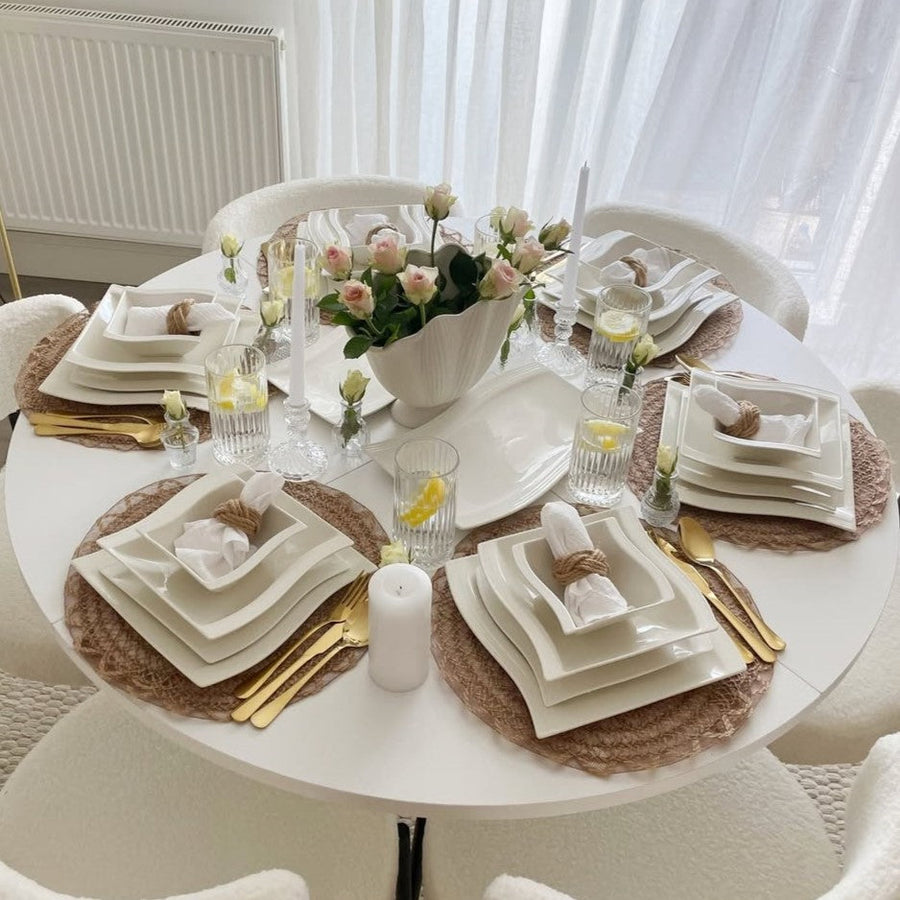
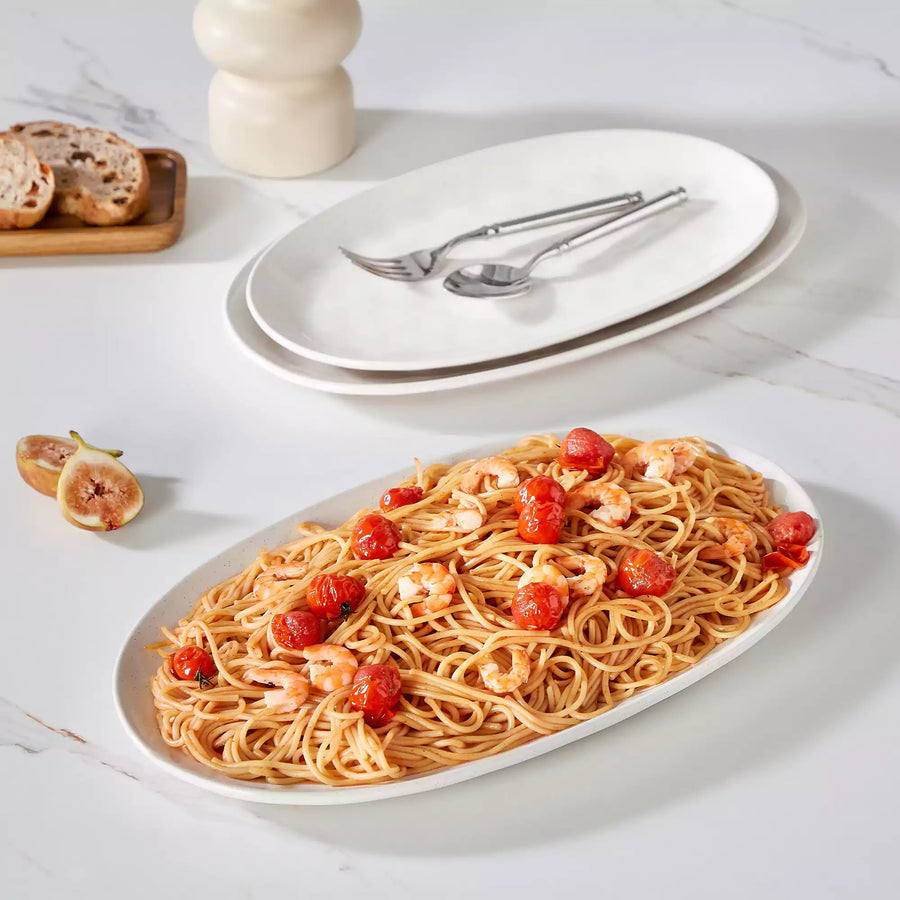
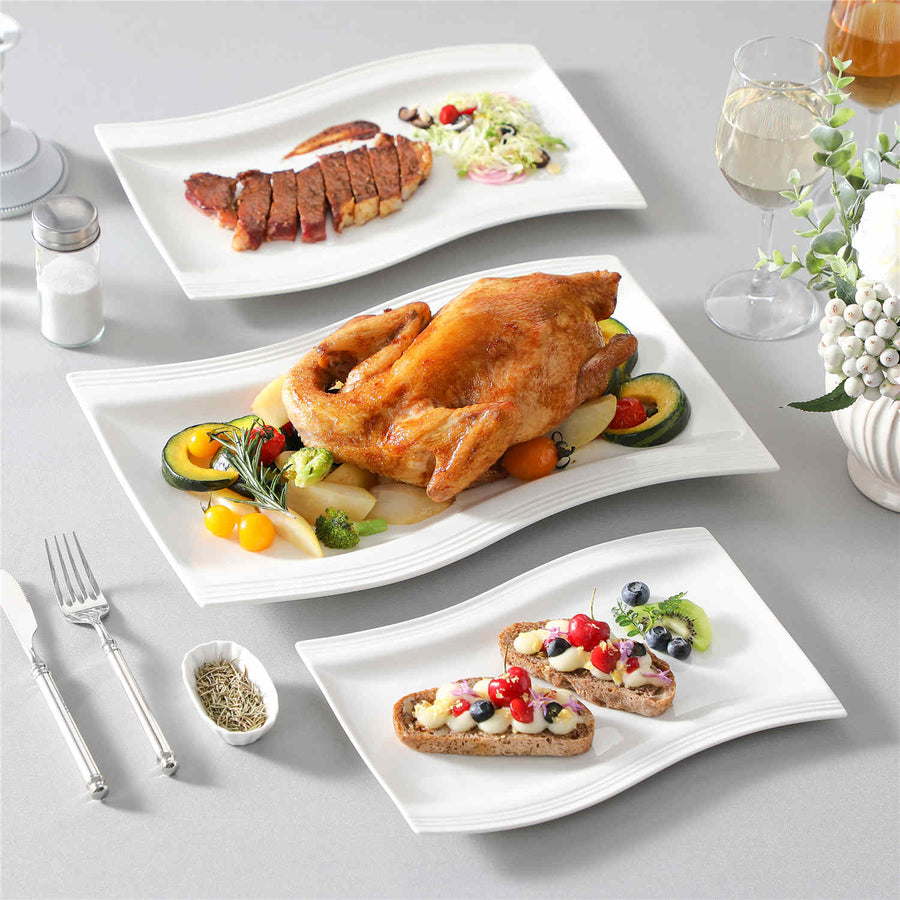
Ceramic is good for presentation and can be used especially for casseroles and serving dishes. Ceramic bakeware sets are especially appealing when you want bakeware that looks suitable for the dining table. A ceramic baking pan can be used for cooking and serving, which means that you don't need to have a separate serving dish.
Silicone is flexible and easy to use for some baked goods, but it doesn't behave like a rigid metal, glass or ceramic. Select materials based on the task, browning requirements, presentation, handling, and care.
Avoid Duplicate Capacities and Awkward Nesting
When purchasing a boxed set, check the interior dimensions and capacities of each piece. Two pans may be different sizes on the outside but nearly the same size on the inside.
Storage is as important. Observe if pans nest neatly, the amount of height added when stacked, and if handles make it difficult to nest. A set that fits in a cabinet, but requires you to take out five to get to the one you use weekly, can be frustrating.
For those who are interested in coordinating, you can look at collections like Malacasa's bakeware sets to compare shapes and create a collection around coordinating items.

Starter Set Examples for Three Types of Home Bakers
A good set of pans for a dessert baker would be one rectangular pan, one square pan, and one or two matching round cake pans. This includes brownies, bars, smaller bakes, and layered cakes (without too much duplication).
If you are a family-meal cook, a large rectangular casserole pan, a square pan and a roasting dish might be more helpful. These pieces can be used to prepare baked pasta, casseroles, roasted vegetables, and other family-size meals.
If you are a frequent baker, you might want to mix a large rectangular pan, square pan, round cake pans, loaf pan, and roasting dish. When presentation is important, adding attractive ceramic pieces can also make it easier to serve from the oven to the table.
It's not always the case that the biggest bakeware set is the best. It's the one that matches your recipes, fits your storage space, and offers the capacities you use most often without unnecessary duplication. Start with versatile pieces, add specialized pans when your baking habits justify them, and build your collection gradually.
FAQs
Q1: Do Baking Pans Require Lids?
Lids make it easy to store and carry casseroles but they're not required for every pan. A lidded piece may be helpful if you often make ahead meals.
Q2: Are Nonstick Coatings Necessary?
No. Nonstick can simplify release and clean-up, but it depends on the recipes you prepare and how you like to maintain your bakeware.
Q3: Can I Use a Square Pan Instead of a Round Pan?
Not necessarily, but sometimes. The size and depth of the pan may vary, so check the pan size and recipe volume before substituting.
Q4: Can I Buy Replacement Pieces Later?
Ideally, yes. When purchasing a bakeware collection, make sure that the pieces are available separately. It can be more beneficial to have replacement options than to have a large set from the start.