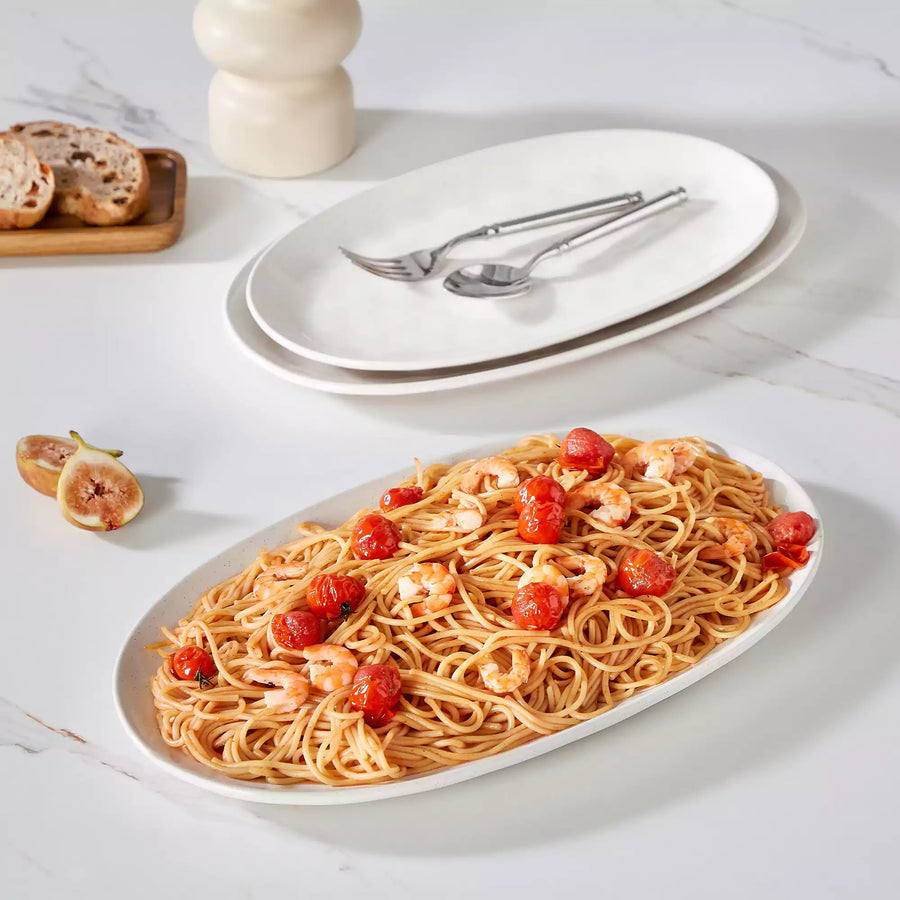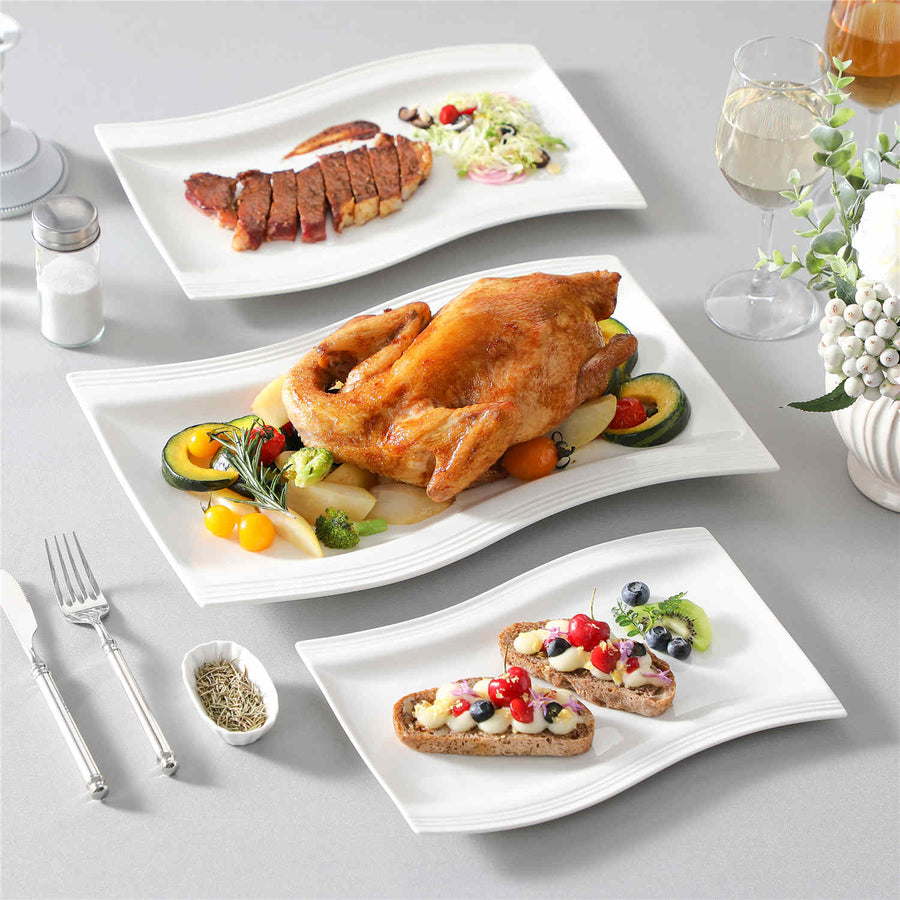


A 3-tier serving tray can transform a cluttered table into a more organized and appealing serving space. A tiered design allows multiple foods to be served in a smaller space than a flat design, which is typically used to serve sandwiches, pastries, fruit and appetizers on a variety of flat plates. Tiered trays are particularly convenient for afternoon tea, dessert tables, brunch, and informal gatherings.
But selecting the right tiered stand is not just about the number of tiers. The diameter of the trays, the height of the stand, the distance between the trays, the stability, the material of the stand, and the storage will all influence the usefulness of the stand. These can help you select a design that will work for your table and your menu, whether you're looking for a tiered cupcake stand, a 3-tier cake stand, or something else you can use for savory foods.

When a 3-Tier Serving Tray Works Better Than Flat Platters
A three-level serving tray is especially handy if space is limited or if you wish to have a number of small foods within easy reach. A flat platter requires additional surface area as the amount of food increases, while a tiered design builds upward. This can allow for more space on the table for teacups, plates, cutlery, condiments, and other serving dishes.
A 3-tier serving tray also naturally divides various kinds of food. Sandwiches can be at one level, pastries at another, and fruit or sweets at a third. This organization can help create a more purposeful buffet or tea table without the need for multiple individual plates.
For small desserts, cupcakes, and bite-sized treats, a 3-tier cupcake stand offers the same benefits and adds a decorative touch to the centerpiece. The key is choosing a stand with enough usable surface area on every level rather than focusing only on its overall appearance.
Measure the Tray Footprint and Overall Height First
Before buying a tiered tray, measure the area where you plan to use it. The footprint should be large enough to fit on the table without blocking place settings or other serving ware. Take into account the depth of the table and the width of each level.
The overall height is also significant. A tall stand might be a show-stopper for overhead shelving, cabinets, low-hanging lights, or a decorative focal point. It can also make food on the upper tier more difficult for shorter guests to reach.
Consider how you will transport the tray of assembled items from the kitchen to the table. A large stand that is full will be difficult to maneuver in tight areas. If possible, set up and place the tray on a flat surface prior to placing food.
How Much Space Should There Be Between Tiers?
Tier spacing determines which foods you can comfortably serve. A small cookie stand might not have enough headroom for cupcakes, scones or higher appetizers.
Moderate spacing works well for finger sandwiches and small pastries. For cupcakes, fruit skewers, decorated desserts or taller appetizers, seek greater spacing between levels. Guests should be able to access food without the need to repeatedly hit the tier above with their fingers or serving utensils.
A 3-tier cake stand can also benefit from generous spacing when it is being used for individual cakes, cupcakes, or larger desserts. Keep in mind that the distance between tiers as advertised may not be the same as the actual distance between tiers when food is placed on the lower tier.

Choosing Tier Diameter and Capacity for Your Guest Count
The diameter of each stand will dictate the amount of food that the stand can contain. A small 3-tier design might be ideal for a couple having afternoon tea, but not enough for a bigger group.
Try to guess how many pieces you'll need to serve and think about the size of each piece. Several small sandwiches may fit comfortably on one level, while cupcakes and larger pastries require more room. For a food display that will be the primary focal point, select larger tiers that hold more food. A smaller footprint might be more practical when the stand is used alongside a buffet; this buffet setup guide covers practical ways to organize food and serving space.
A 3-tier cake stand can serve as a focal point for desserts, and a larger serving stand can serve as a more versatile platter for appetizers, pastries, fruit and tea-time foods.
Stability Checks: Base Width, Center Post, Fasteners and Loaded Weight
A tiered serving tray should be sturdy enough to hold its own weight. Check the base for a fairly broad base and a center post that securely joins the levels. Fasteners, screws, handles and connecting hardware should be snug and not move too much.
If available, check the manufacturer's recommended weight capacity. Heavy ceramic or porcelain items can weigh down the dish even before the food is served.
Always place the tray on a flat surface. If the tiers are not assembled evenly, they may lean, which can lead to a tipping hazard. Gently test the stand for wobbling before use and ensure all connections are tight before use.

Porcelain, Ceramic, Metal, and Mixed-Material Tiered Trays
The look, weight, maintenance and use of a tiered tray is influenced by the material. Porcelain has a sophisticated appearance and can easily match traditional dinnerware. Ceramic can offer a more substantial and casual look, but may be heavier and more difficult to transport if fully loaded.
Because porcelain and ceramic serveware touch food, confirm any piece meets food-contact limits for leachable lead and cadmium set by bodies such as the U.S. FDA.
Porcelain and opal glass each bring different strengths, which MALACASA compares in its porcelain-versus-opal-glass guide.
Metal stands are typically lighter in construction and may provide a modern or traditional aesthetic based on the finish. When you don't want the serving stand to match existing tableware, but rather complement it, mixed-material designs are appropriate.
When selecting a material, take into account the frequency of use and the cleaning and storage procedures used. When pairing up tiered serveware with porcelain tableware and other serving dishes, the MALACASA's serveware collection can be considered.
Arranging Afternoon Tea, Desserts and Savory Appetizers
When setting up a tiered tray, there are no strict rules to follow. Rather, think about food weight, height, color, taste and availability.
Arrange the finger sandwiches on a firm lower level, followed by scones or pastries and smaller sweets and fruit on top, following this guide to hosting a tea party at home. This arrangement can make the stand easier to balance while keeping lighter foods visually prominent.
When serving desserts, arrange them in clusters and space them out so that guests can grab a treat without disturbing nearby treats. When the levels offer sufficient clearance, cupcakes, cookies, brownies and fruit can all be used on a tiered cupcake stand.
If you're serving appetizers, try to put heavier or larger foods on the bottom plates and lighter or smaller foods on the top plates. A tiered design can also be used to complement a larger platter for appetizers, not instead of all flat serving dishes on the table.
For more on spacing and balance, MALACASA's restaurant-style dessert plating guide breaks down the technique.

Carrying, Refilling, Cleaning, and Storing a Tiered Tray
Safety is especially critical when all three tiers are full. Carry the stand with two hands, and don't use the decorative top handle unless the manufacturer specifically states that it is designed for that purpose.
If food is running low, add it to the structure one level at a time, rather than lifting or moving the entire structure unnecessarily. This decreases the risk of tipping and simplifies the process of feeding.
When the stand holds perishable foods, keep the two-hour rule in mind — most prepared dishes shouldn't sit at room temperature beyond two hours.
After use, check whether the stand can be disassembled. Removable tiers can make washing and drying simpler and can significantly reduce the amount of cabinet space required. Dry all components thoroughly before storage, particularly around screws, joints, and other connecting areas.
A Pre-Purchase Checklist for a 3-Tier Serving Tray
When buying a tray, take into account the tray's footprint, overall height, tier diameter and vertical clearance. Check that the levels will hold the foods you typically serve, such as finger sandwiches, scones, cupcakes and appetizers.
Next, check stability. Consider the base width, center post, fasteners and anticipated load capacity. The material should be appropriate for the desired look and maintenance, and the assembly should be simple enough to be done regularly.
Lastly, consider storage. A lovely stand that is hard to take apart and store in your cabinets can turn into a once-every-while serving solution.
3-Tier Serving Tray FAQs
Q1: Is a 3-Tier Serving Tray Good for Afternoon Tea?
Yes. Its vertical design is ideal for serving sandwiches, scones, pastries, fruit and small sweets without cluttering up the table.
Q2: What Is the Difference Between a 3-Tier Cake Stand and a 3-Tier Serving Tray?
A 3-tier cake stand is typically used for desserts and presentation, and a serving tray can be used for appetizers, sandwiches, fruit and more. But there are many designs that can be used for more than one purpose.
Q3: Can I Use a 3-Tier Cupcake Stand for Appetizers?
Yes, if they are big enough and stable enough for savory foods. Before using for heavier appetizers, verify spacing and weight capacity.
Q4: How Much Space Should Be Between Serving Tray Tiers?
Clearance varies depending on the food. Small sandwiches and cookies require less space, and cupcakes, scones, fruit and taller appetizers will need more vertical clearance for easy access.
Q5: Should There Be a Tiered Tray or a Flat Platter?
It depends on the occasion. A tiered tray can be helpful if you need to save table space and have multiple small foods to separate vertically. For large, wide, and heavy foods, flat platters might be more convenient.