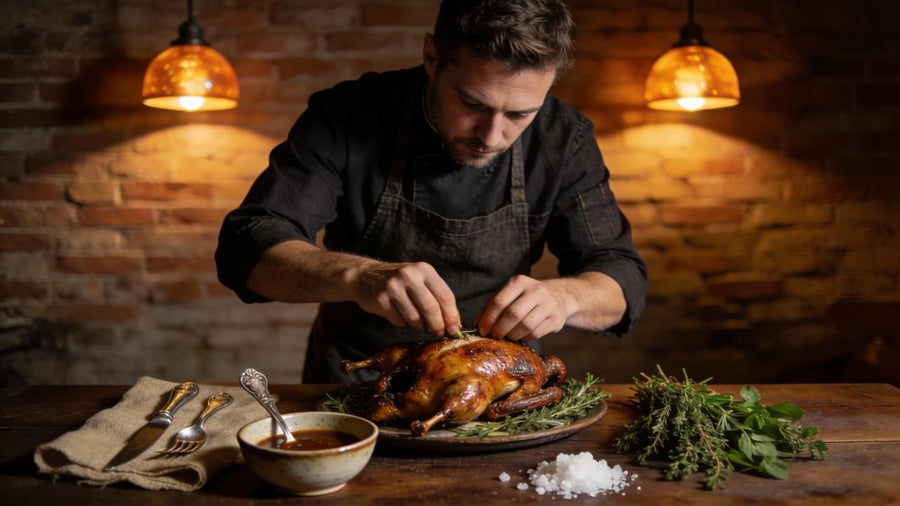



Piatti e ciotole in ceramica fanno molto di più che trasportare il cibo dalla cucina alla tavola. In un mercato affollato, portano con sé anche storie, status e sottili indizi su salute, sostenibilità e stile di vita. Quando entri in un ristorante, scorri una bobina di "cena a casa" o apparecchi la tua tavola un giovedì sera, leggi costantemente quegli spunti, consapevolmente o meno.
In qualità di stilista da tavolo e curatore pragmatico di stili di vita, passo una sorprendente quantità di tempo a osservare come le persone reagiscono alle stoviglie molto prima che reagiscano al cibo. La stessa insalata su un piatto fragile sembra un boccone veloce; servito in una ciotola di ceramica realizzata con cura, improvvisamente si legge come cura di sé. Questo cambiamento è l'essenza del valore del marchio nelle stoviglie in ceramica: la capacità di un nome, uno smalto o una forma di elevare silenziosamente l'aspetto, la sensazione e persino il sapore di un pasto, pur mantenendo prestazioni impeccabili nella vita reale.
Questo articolo analizza i fattori concreti che costruiscono tale valore: psicologia e presentazione, salute e sicurezza, durabilità, narrazione, sostenibilità, segnali di prezzo e design pratico. L’obiettivo non è solo ammirare dei bei piatti, ma capire perché alcuni brand ceramici si guadagnano un posto premium sia sul mercato che sulle nostre tavole.
Cosa significa “valore del marchio” a tavola
Nella categoria delle stoviglie in ceramica, il valore del marchio è una miscela di risonanza emotiva e prestazioni misurabili.
Dal punto di vista emotivo, le stoviglie sono ora trattate come il “primo passo” dell’esperienza culinaria. Una ricerca condivisa da studi come 137° Ceramic Art Studio e aziende di catering come Bullseye Saloon Catering mostra che chef e ristoratori selezionano deliberatamente piatti e ciotole specifici per creare attesa, dare il tono e supportare la storia del cibo. I commensali “mangiano sempre più con gli occhi”, spesso vedendo il piatto prima di notare il menu.
Dal punto di vista funzionale, i marchi ceramici competono su sicurezza sanitaria, durabilità, prestazione della temperaturae facilità di pulizia. Studi citati da aziende come HF Coors e Joyye evidenziano le superfici non tossiche e non porose della ceramica e la loro capacità di distribuire e trattenere il calore in modo uniforme. Questa prestazione diventa parte della promessa del marchio: un piatto che resiste ad anni di cicli in lavastoviglie e ha ancora un bell’aspetto è, di per sé, un potente messaggio di marketing.
I dati di mercato sottolineano la posta in gioco. Secondo una ricerca sulle stoviglie di lusso sintetizzata da Guangdong Jinqiangyi Ceramics, il mercato delle stoviglie di lusso valeva circa 21,43 miliardi di dollari nel 2023 e si prevede che raggiungerà circa 34,13 miliardi di dollari entro il 2032, con le sole stoviglie che detengono oltre un terzo di quella quota. In un mercato di tali dimensioni, il valore percepito di un marchio ceramico non è un valore aggiunto; è una risorsa aziendale fondamentale.

Psicologia estetica: come i piatti modellano il gusto e il lusso percepiti
Percezione del colore, della forma e del sapore
Diverse fonti attendibili dimostrano che il design ceramico cambia letteralmente il sapore del cibo nella mente delle persone. Uno studio pubblicato su Flavour Journal nel 2013, citato da 137° Ceramic Art Studio, ha rilevato che una cheesecake identica veniva considerata più dolce e più intensa se servita su un piatto rotondo bianco rispetto a un piatto quadrato bianco o nero. È cambiato solo il piatto; la ricetta no.
Questa è la classica psicologia del colore e della forma al lavoro. Una ricerca sul colore ha citato nelle note scritte dello stesso studio che quando i succhi di giallo e arancia sono tinti di viola, le persone hanno difficoltà a identificare correttamente i sapori. Il colore della piastra funziona allo stesso modo. La ceramica bianca o neutra funge da “tela bianca”, in particolare nella cucina raffinata, facendo sembrare i colori degli alimenti più freschi e precisi. Al contrario, il carbone intenso o gli smalti saturi possono sembrare drammatici e lunatici, ideali per carni rustiche o dessert al cioccolato fondente, ma possono smorzare la freschezza visiva delle verdure pallide o del pesce delicato.
Le forme contano altrettanto. I piatti arrotondati e leggermente curvati spesso vengono letti come più morbidi e più accessibili. Pezzi angolari o asimmetrici, come quelli evidenziati da marchi all'avanguardia e fornitori di ospitalità, introducono tensione ed energia, segnalando uno stile editoriale moderno. Dal punto di vista del valore del marchio, ciò che conta è la coerenza tra colore, forma e cucina promessa. Un concetto dalla fattoria alla tavola su porcellana nera lucida può sembrare visivamente sbalorditivo ma emotivamente incoerente; il valore del marchio diminuisce quando la storia visiva e la storia del cibo non coincidono.
Dimensioni del piatto, illusioni e lusso delle porzioni
La percezione delle porzioni è un’altra leva psicologica. L'illusione di Delboeuf, citata in entrambi psicologia visiva discussioni e ricerche sull’alimentazione consapevole di Vancasso e altri, mostrano che la stessa quantità di cibo appare più piccola su un piatto più grande e più grande su uno più piccolo. Gli esperimenti citati dal 137° Ceramic Art Studio riportano che le persone versavano quasi il 10% in più di zuppa in ciotole più grandi e circa l’8% in meno in quelle più piccole, senza rendersene conto.
I marchi che comprendono queste illusioni possono progettare portafogli che supportino sia la narrativa della salute che quella dell’indulgenza. Piatti piani leggermente più piccoli con bordi ben proporzionati consentono ai ristoranti e ai cuochi casalinghi di preparare porzioni modeste che sembrano comunque abbondanti. Una ricerca citata da esperti di alimentazione consapevole e Teladoc Health sottolinea che l'uso di un piatto per inquadrare visivamente "una porzione della giusta dimensione" rende più facile mangiare in modo consapevole. Quando un marchio ceramico fornisce pezzi che incoraggiano naturalmente tali abitudini, acquisisce un elevato valore funzionale percepito.
Anche il peso e la tattilità giocano un ruolo. Gli studi citati da Table Matters e altri suggeriscono che stoviglie più pesanti possono aumentare la consapevolezza e l’apprezzamento del cibo. Dal mio lavoro di styling, lo vedo costantemente. Un piatto in gres ben bilanciato con un po' di peso fa sì che un piatto di pasta durante la settimana sembri più intenzionale, più simile a una cena che a uno spuntino, e le persone istintivamente rallentano.

Salute, sicurezza e fiducia come fondamenti del marchio
Per molti consumatori, soprattutto dopo i recenti cambiamenti sanitari globali, la prima domanda sulle stoviglie non è “È carino?” ma “È sicuro?” I marchi ceramici che rispondono a questa domanda in modo chiaro e credibile creano un’enorme fiducia.
Numerosi produttori, tra cui HF Coors, Joyye, Dreamy Walls e Bzyoo, ribadiscono gli stessi fatti fondamentali. Le moderne stoviglie in ceramica sono realizzate con argilla naturale e minerali, cotti a temperature molto elevate per creare una superficie stabile e non reattiva. Gli smalti di alta qualità non sono porosi, quindi non assorbono liquidi né ospitano facilmente batteri e sono formulati per essere privi di piombo, cadmio e altri metalli pesanti che storicamente causavano preoccupazione.
I produttori attenti alla salute come HF Coors enfatizzano i corpi vetrificati e completamente non porosi che resistono all'umidità, agli odori e alle macchie e sottolineano test rigorosi per le prestazioni senza piombo. Articoli di Joyye e VarEesha sottolineano che la ceramica non contiene plastificanti come BPA o ftalati, né rilascia microplastiche negli alimenti come possono fare alcuni piatti di plastica sotto il calore.
La fiducia, però, non è automatica. Le linee guida di VarEesha, la panoramica dei vantaggi di VarEesha, e produttori come Ellementry sottolineano la necessità di controllare l'etichettatura: "senza piombo", "sicuro per gli alimenti" e "adatto al microonde" dovrebbero essere chiaramente stampati, e i pezzi vintage più vecchi o non contrassegnati dovrebbero essere usati con cautela, soprattutto con cibi acidi. Anche le scheggiature e le crepe contano. HF Coors e Bzyoo consigliano di ispezionare regolarmente le stoviglie e di sostituire i pezzi danneggiati, poiché le crepe possono ospitare batteri o consentire ai frammenti di smalto di sfaldarsi nel cibo.
I marchi aumentano il loro valore quando si appoggiano a questa trasparenza. La pubblicazione di chiare dichiarazioni sulla sicurezza, il riferimento a standard di terze parti e l’offerta di garanzie in merito alla scheggiatura e alle prestazioni termiche trasformano la salute in una parte esplicita dell’identità del marchio. Un piatto che abbia un bell'aspetto è desiderabile; una targa dall'aspetto bello e supportata da un rigoroso linguaggio di sicurezza e da una garanzia di chip di due anni è materialmente più preziosa.

Durata, prestazioni e comodità quotidiana
Le stoviglie in ceramica si guadagnano da vivere a lungo termine sopravvivendo alla vita reale. Attraverso fonti come HF Coors, Bzyoo, Joyye, Ellementry, Dreamy Walls e le guide di lusso di Jinqiangyi, si ripetono diversi tratti prestazionali: resistenza ai trucioli, tolleranza al calore e facilità di manutenzione.
Il gres e la porcellana ben cotti sono entrambi descritti come materiali altamente durevoli che resistono all'uso frequente, ai cicli di lavastoviglie e persino agli ambienti commerciali. Le pentole Xtrema Pure Ceramic, ad esempio, evidenziano la tripla cottura a circa 2.500 ° F e offrono una garanzia di dieci anni contro la rottura dovuta a shock termico. HF Coors indica la vetrificazione come la ragione per cui i suoi piatti resistono alle macchie e all'umidità, anche nelle cucine professionali.
Le prestazioni della temperatura sono un altro pilastro del valore del marchio. Joyye e HF Coors sottolineano che la ceramica distribuisce e trattiene il calore in modo uniforme, mantenendo il cibo caldo più a lungo e favorendo una cottura accurata. Articoli di Dreamy Walls e Sugarboo & Co. fanno eco a questo vantaggio per l'uso domestico, sottolineando che le tazze in ceramica mantengono le bevande calde rimanendo comode da tenere in mano, a differenza di alcuni metalli. I prodotti che si spostano in sicurezza tra congelatore, forno e tavola, se adeguatamente etichettati, sono particolarmente apprezzati dalle famiglie affollate e dai luoghi di ospitalità.
La comodità conta tanto quanto la forza. Fonti di Jinqiangyi e DHgate sottolineano che le stoviglie di lusso o di tutti i giorni ora devono essere pratiche: lavabili in lavastoviglie ove possibile, non eccessivamente pesanti e impilabili. Borgo delle Tovaglie sottolinea una questione pragmatica che raramente trova spazio nel marketing ma che incide profondamente sul valore percepito: la completezza del set. Un set da 18 pezzi che copre sei coperti, più alcuni piatti extra acquistati all'inizio, può mantenere una tavola coesa anche dopo un'inevitabile rottura. Quando un marchio mantiene una produzione costante o offre sostituzioni a magazzino, i proprietari si sentono sicuri nell’investire in un “look” a lungo termine.
Il compromesso è che la ceramica sarà sempre più fragile della plastica e, in alcuni casi, del vetro temperato. Articoli di VarEesha, Vancasso e altri riconoscono che è possibile scheggiarsi, soprattutto con la terracotta o con bordi delicati. Ma i marchi mitigano questo inconveniente offrendo linee guida chiare per la cura, forme pensate che proteggono i bordi e politiche di servizio che rendono la sostituzione indolore. Tutto ciò diventa parte dell'equazione del valore del marchio: non se un piatto si scheggerà mai, ma come il marchio ti supporta quando alla fine lo fa.

Storytelling, cultura e social media: il premio emotivo
Una volta stabilite le basi di sicurezza e durabilità, la narrazione emotiva è il luogo in cui i marchi di stoviglie in ceramica possono davvero differenziarsi.
La panoramica di Eka Ceramic sulle tendenze globali illustra come la ceramica sia diventata una tela per storie culturali ed estetiche. Collezioni ispirate alla geometria italiana, al minimalismo giapponese, alla rusticità sudafricana e alla cucina fusion in Australia e Giappone consentono ai marchi di segnalare mondi culinari specifici. Un piatto kaiseki in stile giapponese invita immediatamente a uno stile di impiattamento diverso rispetto a un sottopiatto spesso e irregolare in stile toscano.
Nel frattempo, i social media hanno trasformato la ceramica in uno strumento primario di narrazione. Eka Ceramic sottolinea l'aumento di termini di ricerca come "ciotole in ceramica fatte a mano per chef di Instagram" e Bullseye Saloon Catering descrive le stoviglie come un mezzo di narrazione fondamentale modellato dalla cultura culinaria visiva. Gli smalti opachi e le texture morbide e adatte alla luce fotografano magnificamente, motivo per cui così tanti boutique hotel, caffè e venditori di e-commerce ora scelgono il gres dalla forma organica per il loro "feed".
Dal punto di vista del marchio, è qui che un’identità visiva coerente ripaga. Collezioni coordinate ma rilassate di piatti, ciotole e pezzi da portata consentono a ristoranti e famiglie di creare tavoli immediatamente riconoscibili. Bullseye Saloon Catering sottolinea che stoviglie, tovaglioli e oggetti di scena firmati fungono da ancore di memoria nelle foto degli eventi. Eka Ceramic sottolinea che la personalizzazione (nomi incisi, tazze con logo, motivi stagionali) è in forte espansione nel settore dell'ospitalità, dei matrimoni e dei regali.
I marchi acquisiscono anche peso emotivo collegandosi al patrimonio e al luogo. Gli scritti di Joyye sulla cucina mediterranea e latinoamericana mostrano la ceramica non solo come oggetto ma come portatore di rituali condivisi. La filosofia dello studio di Stonessa va oltre, inquadrando una produzione lenta e rispettosa dell’ambiente come parte di un’etica di “tranquilla atemporalità”. Anche quando i commensali non conoscono il retroscena, sentono la differenza tra qualcosa di anonimo e qualcosa chiaramente realizzato con intenzione.
Allo stesso tempo, gli chef e i cuochi casalinghi esperti spesso preferiscono piatti che lasciano che il cibo rimanga il protagonista. Una discussione culinaria in una comunità di ricette del New Mexico enfatizza i semplici piatti bianchi nelle competizioni per mantenere l'attenzione sul cibo, con bordi decorativi riservati a piatti molto semplici come le zuppe alla crema. I marchi forti comprendono entrambi gli stati d'animo e offrono gamme che includono tele tranquille per la cucina tecnica così come pezzi conversazionali e ricchi di motivi per incontri più rilassati.
Ecco come si uniscono molti di questi fattori di valore.
Fattore di valore del marchio |
Come si presenta |
Perché è importante |
Psicologia visiva |
Colore, forma e peso del piatto in sintonia con la cucina |
Altera il gusto, la pienezza e il lusso percepiti |
Salute e sicurezza |
Chiara etichettatura "senza piombo, sicura per gli alimenti, adatta al microonde". |
Crea fiducia per l'uso quotidiano e la cottura ad alta temperatura |
Corpi vetrificati, resistenza alla scheggiatura, garanzie |
Giustifica il prezzo premium per anni di utilizzo |
|
Smalti, forme e narrazioni legate alla cucina o all'etica |
Aiuta i commensali a sentirsi parte di uno stile di vita, non solo di un pasto |
|
Sostenibilità |
Materiali naturali, linguaggio produttivo eco-consapevole |
Si allinea ai valori delle famiglie e degli ospiti eco-consapevoli |
Impilabilità, sistemi mix-and-match, sostituzioni |
Riduce i costi e la complessità per ristoranti e host |

Sostenibilità e produzione etica come moltiplicatori di valore
I marchi di ceramica un tempo vendevano principalmente la bellezza; oggi la sostenibilità è un potente moltiplicatore del valore percepito.
Articoli di Joyye, Bzyoo, Dreamy Walls e altri descrivono la ceramica come realizzata con materiali derivati dalla terra come argilla, feldspato e caolino. A differenza della plastica, non rilasciano microplastiche persistenti né fanno affidamento su prodotti petrolchimici per la struttura. Quando un pezzo raggiunge la fine della sua vita, può essere frantumato e restituito alla terra senza lasciare il tipo di residuo chimico associato a molti materiali sintetici.
La responsabilità ambientale si manifesta anche nel processo, non solo negli ingredienti. Stonessa ritiene che il rispetto autentico sia per il cliente che per l'ambiente inizi con una produzione lenta e intenzionale piuttosto che con una produzione di massa rapida. Ciò potrebbe significare cotture in piccoli lotti, un’attenta formulazione degli smalti o la scelta di partner di produzione che possano documentare le loro fonti energetiche e pratiche di lavoro.
La domanda dei consumatori lo conferma. Un sondaggio di McKinsey & Company citato da Bzyoo rileva che circa il 66% degli intervistati considera la sostenibilità nei propri acquisti, anche se la qualità del prodotto rimane la massima priorità. Questa combinazione è fondamentale: le persone non sacrificheranno la performance per l’etica, ma quando un marchio ceramico può offrire entrambe le cose, il suo valore percepito aumenta notevolmente.
Dal punto di vista dell'ospitalità, Novox e Bullseye Saloon Catering scrivono di bambù, vetro riciclato e altri materiali rinnovabili nelle stoviglie. Anche se i piatti in pura ceramica non sempre portano l’etichetta “riciclato”, i marchi possono comunque comunicare una longevità a basso spreco e un approvvigionamento responsabile. Sottolineando che un set di ceramica ben fatto può durare per decenni, come fanno diverse fonti, collega la sostenibilità direttamente alla durabilità piuttosto che alla disponibilità.
Prezzi, segnali di mercato e posizionamento del lusso
Nella mente dell'acquirente, il prezzo è sia una questione di budget che un segnale su ciò che rappresenta un marchio.
La ricerca sul lusso condivisa da Jinqiangyi mostra un crescente appetito globale per le stoviglie di alta qualità, con un mercato destinato a crescere a un ritmo annuo salutare nel prossimo decennio. Il Nord America è attualmente leader in termini di valore e la regione Asia-Pacifico è in rapida crescita. Questa crescita non riguarda solo le famiglie con un patrimonio netto elevato; riflette anche i caffè, i boutique hotel e le attività di ristorazione che investono in stoviglie più espressive e fotogeniche.
All’interno dei marchi ceramici, le fasce di prezzo tendono a tenere traccia di alcuni attributi chiave.
La porcellana fine e la bone china, soprattutto con bordi metallici e dipinti a mano, si collocano nella fascia alta. Sono più sottili, spesso più traslucidi e tradizionalmente utilizzati nelle cene formali. Il gres occupa un robusto livello intermedio, bilanciando la durabilità con un'estetica terrosa e moderna. La terracotta è più porosa e rustica, spesso più economica ma anche più fragile.
La percezione del valore, tuttavia, non è solo una questione materiale. I marchi aggiungono valore raggruppando set di dimensioni ponderate, offrendo personalizzazione e fornendo supporto post-vendita. Il consiglio di Borgo delle Tovaglie di iniziare con almeno un set da 18 pezzi, più qualche piatto extra, è un argomento sottile per pianificare in anticipo. Un marchio che offre aggiunte di stock aperti o modelli di lunga durata rende questa strategia praticabile.
Gli acquirenti attenti al budget, come sottolinea la guida all'acquisto di DHgate, possono trovare set di gres pronti per l'uso quotidiano a prezzi modesti se danno priorità alla qualità dello smalto, all'impilabilità e alla resistenza alle scheggiature rispetto alle targhette di design. All'estremo opposto, le collaborazioni OEM e ODM su misura citate da Eka Ceramic consentono ai clienti del settore alberghiero di commissionare forme e smalti personalizzati che incorporano il marchio direttamente sulla tavola.
In tutti i casi, la chiarezza è fondamentale. Quando un marchio ceramico spiega perché una collezione costa quello che costa, mostra quanto durerà e documenta l’attenzione che ha dedicato alla sicurezza e alla sostenibilità, il prezzo diventa un riflesso del valore piuttosto che un ostacolo.
Come valutare nella pratica un marchio di stoviglie in ceramica
Quando valuto un marchio di ceramica per un cliente, che si tratti di un giovane bar del benessere o di una famiglia impegnata, affronto alcune domande pratiche che riecheggiano molte delle raccomandazioni di Wedgwood, DHgate, Joyye, HF Coors e altri.
Innanzitutto, guarda il linguaggio della sicurezza. Il marchio dichiara esplicitamente che i prodotti sono senza piombo e sicuri per gli alimenti? Esistono note chiare sulla compatibilità del microonde e della lavastoviglie, in particolare per i pezzi con bordi metallici o dipinti a mano? I produttori fidati sottolineano ripetutamente questi dettagli nelle loro indicazioni. Se il linguaggio è vago, lo prendo come un segnale di avvertimento.
Successivamente, prestare attenzione alle richieste di materiale e di cottura. Frasi come "gres vetrificato", "porcellana ad alta cottura" o "ceramica pura" cotta a temperature molto elevate di solito indicano corpi più densi e meno porosi che resistono alle macchie e all'umidità. Marchi come HF Coors e Xtrema spiegano in dettaglio i loro processi di cottura e le fasi di ispezione, che è esattamente ciò che vuoi vedere.
Quindi, studia lo smalto. Gli smalti di alta qualità dovrebbero apparire lisci e uniformi, senza fori di spillo, zone ruvide o scolorimento. Le guide all'acquisto evidenziano che gli smalti lisci sono più facili da pulire e hanno meno probabilità di intrappolare il cibo o scolorirsi nel tempo. Quando fai scorrere le dita lungo il bordo, dovrebbe risultare continuo e solido, non friabile o polveroso.
Il peso e l'ergonomia contano più di quanto la maggior parte delle persone ammetta. Articoli di Table Matters e DHgate consigliano di testare la sensazione dei piatti in mano. L'ideale è una comoda via di mezzo: abbastanza sostanziosa da sentirsi ancorati alla tavola, ma non così pesante da rendere impilare una dozzina di piatti piani un allenamento. Le tazze dovrebbero risultare equilibrate quando sono piene e le ciotole dovrebbero annidarsi senza attaccarsi.
Considera anche la pianificazione del range. Il marchio offre una collezione principale coerente - piatti piani, piattini, ciotole e tazze - che può servire sia i pasti quotidiani che gli intrattenimenti occasionali? Esiste un percorso chiaro per aggiungere le stoviglie in un secondo momento, come piatti, scodelle per pasta o piccole ciotole? Fonti focalizzate sull'ospitalità come Bullseye Saloon Catering e Novox sottolineano le collezioni modulari proprio per questo motivo: ti consentono di rinfrescare visivamente la tavola senza ricominciare da capo.
Infine, ascolta come il marchio parla di se stesso. Si appoggia alla sostenibilità, alla produzione locale o al patrimonio? Fa riferimento a ricerche indipendenti, come studi del Flavour Journal, del Journal of Environmental Psychology o sondaggi di McKinsey & Company, quando si discutono le scelte progettuali? Quando un marchio ceramico colloca i suoi prodotti in un contesto più ampio di benessere, consapevolezza e cura dell’ambiente, quella narrazione spesso si traduce in una maggiore fedeltà e un più forte valore di mercato.

Pro e contro della ceramica come piattaforma di marca
La ceramica offre una piattaforma insolitamente ricca per la costruzione del marchio, ma non è priva di inconvenienti.
L’aspetto positivo è che la ceramica combina superfici atossiche e non reattive con un’eccellente resistenza al calore e una durabilità a lungo termine se ben realizzata. Articoli incentrati sulla salute di Joyye, HF Coors, VarEesha ed Ellementry concordano tutti sul fatto che la ceramica, rispetto a molte plastiche e ad alcuni metalli, ha meno probabilità di rilasciare sostanze chimiche negli alimenti. Le superfici vetrate lisce resistono alle macchie e sono facili da lavare, il che rafforza sia l'igiene che la comodità quotidiana.
La ceramica offre anche un’eccezionale flessibilità estetica. Dai piatti minimalisti in avorio opaco alle ciotole dalla trama profonda intagliate a mano, i marchi possono esprimere quasi ogni linguaggio visivo. Questa flessibilità, abbinata a forti prestazioni termiche e narrazioni di materiali sostenibili, rendono la ceramica una scelta naturale per ristoranti, hotel e collezioni domestiche ambiziose.
Lo svantaggio è che i pezzi di ceramica sono fragili. Anche il gres più resistente si scheggerà se sbattuto contro un bancone di granito. I pezzi più pesanti possono essere difficili da gestire per alcuni ospiti o personale, una sfida notata anche da scrittori viventi consapevoli. Alcuni smalti con decorazioni metalliche non possono essere utilizzati in sicurezza nel microonde. E le ceramiche di qualità inferiore, soprattutto quelle prive di una chiara etichettatura di sicurezza, possono comunque comportare rischi di contaminazione da metalli pesanti.
Il valore del marchio cresce quando le aziende riconoscono onestamente queste debolezze e forniscono indicazioni solide su stoccaggio, gestione e sostituzione. In molti modi, il modo in cui un marchio ti supporta quando un piatto si scheggia o un modello viene interrotto dice tanto sul suo valore quanto il design originale stesso.
Brevi domande frequenti sul valore del marchio delle stoviglie in ceramica
Quanto influiscono realmente la salute e la sicurezza sul valore del marchio delle stoviglie? La salute e la sicurezza sono fondamentali. Articoli di HF Coors, Joyye, VarEesha e altri sottolineano costantemente la ceramica senza piombo, non porosa e non reattiva come vantaggio fondamentale rispetto alla plastica e ad alcuni metalli. Quando un marchio lo supporta con un’etichettatura chiara e, idealmente, test di terze parti, i consumatori sono molto più disposti a investire in set completi e a usarli quotidianamente, il che aumenta direttamente il valore percepito ed effettivo del marchio.
Vale la pena pagare di più per la ceramica vetrificata o a fuoco alto? Le prove di produttori come HF Coors, Bzyoo e Xtrema suggeriscono che le ceramiche vetrificate a fuoco alto sono più durevoli, più resistenti alle macchie e agli odori e spesso trattengono meglio il calore. Ciò significa meno sostituzioni, un aspetto più stabile sulla tavola e un servizio più fluido sia in contesti domestici che di ospitalità. Nel corso di diversi anni di utilizzo, il prezzo di acquisto leggermente più alto spesso si traduce in un costo per utilizzo inferiore e in una maggiore soddisfazione.
Quanto conta oggi la social media friendly nel valutare un brand ceramico? Molto importante, soprattutto per i marchi che si rivolgono a ristoranti, bar, articoli da regalo e famiglie attente al design. Eka Ceramic e Bullseye Saloon Catering descrivono entrambi la ceramica come strumento chiave per la narrazione visiva in un'era in cui i commensali fotografano costantemente i pasti. Smalti opachi, forme organiche e storie di colori coerenti si traducono bene sulla fotocamera, rafforzando il riconoscimento e la desiderabilità del marchio. Tuttavia, l’attrattiva dei social media dovrebbe sovrapporsi, e non sostituire, solide basi di sicurezza, durabilità e produzione onesta.
Essendo una persona che decora le tavole tanto per gli stufati domenicali quanto per i servizi fotografici editoriali, vedo il valore del marchio delle stoviglie in ceramica come un connubio di bellezza e credibilità. I marchi che conquistano le nostre credenze e i nostri rullini fotografici sono quelli i cui piatti supportano tranquillamente porzioni più sane, pasti più sicuri, menti più tranquille e abitudini più sostenibili, il tutto facendo sembrare il cibo quotidiano un po’ più straordinario.
Riferimenti
- https://mysacraft.com/index.php?route=blog/article&article_id=20
- https://bullseyesalooncatering.com/the-role-of-tableware-in-modern-catering-presentation/
- https://smart.dhgate.com/expert-tips-for-choosing-the-ideal-ceramic-tableware-set-for-your-home/
- https://ekaceramic.com/5-ways-ceramic-dinnerware-is-shaping-global-food-presentation-trends/
- https://joyye.com/info-detail/how-ceramic-tableware-enhances-healthy-dining-experiences
- https://jqyceramics.com/the-ultimate-guide-to-choosing-and-caring-for-luxury-ceramic-dinnerware-sets/
- https://137degrees.com/en/the-psychology-of-ceramics-and-food/
- https://www.bzyoo.com/blogs/news/the-advantages-of-using-ceramic-dinnerware?srsltid=AfmBOoqhRQPOXy-jGJf8-03MQvde4qaSToxPGT9I5nZOuxZ0osoDHX1w
- https://www.coffeemugceramic.com/blogs/how-ceramic-tableware-influences-food-presentation-and-taste-5/how-ceramic-tableware-influences-food-presentation-and-taste
- https://www.dreamywalls.com/blogs/articles/advantages-of-ceramic-tableware?srsltid=AfmBOop92OZZXQVjlWT40LV16az1zYZbX9h2bpxxbfrITKCknvigcHSF