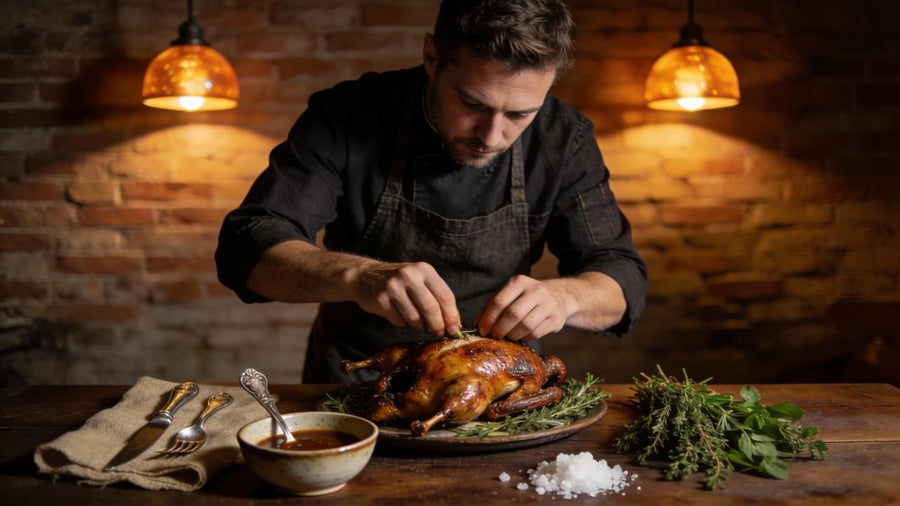



When I style a table, I look at glazes, rim profiles, and how the shapes speak to the room. But one of the most underrated design tools lives quietly under all that beauty: temperature. The warmth or chill locked inside your ceramic plates, bowls, and mugs can change how sweet, salty, bitter, or complex your food and drinks taste.
Think of your dinnerware as an invisible seasoning. A plate that is slightly warm can make a roasted chicken feel juicier and more aromatic. A bowl that is a little too cold can flatten the sweetness of a strawberry dessert. As a tabletop stylist and pragmatic lifestyle curator, I have seen the same dish feel either luxurious or lackluster simply because the ceramic underneath it was at the wrong temperature.
In this guide, we will explore the science behind temperature and taste, how ceramic dinnerware behaves compared with other materials, and how to use plate and mug temperature deliberately in everyday life, not just for restaurant-style drama.
Why Temperature Changes Flavor in the First Place
Before we talk about plates and bowls, it helps to understand what is happening on your tongue and in your nose.
Researchers writing in a medical journal on sweet taste have shown that human sweetness perception is strongly temperature-sensitive. Many sweeteners, both sugars and artificial sweeteners, signal through a receptor pair (often called T1R2–T1R3) and a temperature-sensitive channel in taste cells known as TRPM5. When the liquid you are tasting is cold, this channel becomes sluggish; when it is warmer, it becomes far more responsive.
Work summarized by America’s Test Kitchen makes this very tangible. They describe how TRPM5 channels barely open when food is at about 59°F or below, which means flavors feel dull and muted. As food warms toward body temperature, around 98°F, the channels become more than 100 times more sensitive. That is one reason why leftovers taste dramatically better once they are properly reheated instead of eaten straight from the refrigerator.
A team studying sweet taste more directly found that when sugar solutions were cooled from roughly 86°F to about 41°F, perceived sweetness dropped substantially. For some sugars and high-potency sweeteners, sweetness fell by more than half at the colder temperature. They also observed that at moderately cool temperatures, sweetness faded faster over time, which means your first sip or bite might still taste pleasant, but the flavor can seem to vanish quickly as your mouth adapts.
In simple terms, your taste system has a temperature “comfort zone.” Too cold, and the volume knob on flavor gets turned down. Warm things up slightly, and sweetness and complexity come back into focus.
Aroma: The Invisible Partner to Temperature
Flavor is never just taste. A large part of what you experience as flavor comes from aroma molecules traveling from your food and drink into your nose as you eat.
Warmer foods and beverages launch more of these aroma compounds into the air. America’s Test Kitchen points out that hotter dishes release more energetic volatile molecules, which elevates the aromas reaching your nose and makes flavors feel fuller and more complex. When food or drink is very cold, aroma release slows, and even well-seasoned dishes can feel muted.
Ceramic pieces play directly into this. A mug or bowl that keeps your coffee or broth warm keeps aroma flowing. A plate that pulls too much heat out of a dish can silence some of those fragrant notes before you have a chance to enjoy them.
Temperature Illusions and “Phantom Tastes”
Temperature does more than simply boost or dull existing flavors. It can actually create taste sensations of its own.
A classic study discussed in The Guardian described how warming and cooling different regions of the tongue produced illusory tastes even when no flavor chemicals were present. Warming the front edge of the tongue from cold tended to evoke a sweet impression, while cooling could generate sour or salty sensations. The back of the tongue showed a different pattern. This suggests that thermally sensitive nerve cells are woven into the very code our brain uses to interpret taste.
The same article highlighted how serving temperature shifts flavor balance in everyday foods. Melted ice cream tastes noticeably sweeter than when it is very firm and cold. Beer tastes more bitter when it warms up. Ham tasted saltier to tasters when served cold but felt more savory and complex when warm. In an experiment with cheddar cheese offered at roughly refrigerator temperature, cool room temperature, and around 70°F, sourness and difficulty of judging flavor both increased as the cheese warmed.
These results echo the sweet-taste work: temperature is not a simple on–off switch for flavor; it changes which aspects of flavor dominate.
When you set a ceramic plate or bowl to a particular temperature, you are nudging this complex code in one direction or another.
What Ceramic Dinnerware Brings to the Table
Many materials can hold food, but ceramic and stoneware have a particular chemistry and physics that make them especially powerful for shaping the experience.
Writers who specialize in coffee and ceramics, including contributors at Curvd and Pottery for the Planet, repeatedly return to three ideas: neutrality, heat retention, and tactile feel.
Ceramic is essentially flavor-neutral. It does not have an inherent smell or taste and, when properly glazed and fired, does not leach flavors into your food or absorb them in a way that contaminates the next dish. That is in contrast to lower-quality metals, which can add faint metallic notes, or plastic and paper, which can lend a cardboard or plastic taste, especially when hot liquids are involved.
Ceramic also holds temperature well. Pottery-focused sources note that ceramic vessels keep coffee in an ideal drinking window—often described for coffee as roughly the mid-160s°F to mid-170s°F—for longer than paper, plastic, or single-wall metal. The same thermal mass that keeps a latte warm will keep a chilled dessert cool, as long as you pre-condition the piece.
Finally, there is the feel in the hand. Ceramic’s gentle heft, smooth texture, and balanced thickness convey a sense of quality that subtly shapes expectations before the first bite. Research summarized in the journal Flavour found that heavier, higher-quality-feeling utensils made the same food taste more intense and higher in quality compared with lighter, plastic-looking ones. While that work focused on spoons, the same psychological effect often applies to plates and bowls; your brain transfers the feeling of quality from the tableware to the food.
To see how ceramic compares with other materials in a temperature context, it helps to lay out the basics.
Material |
Heat Retention |
Flavor Neutrality and Interaction |
Temperature-Related Notes |
Strong; warms and cools relatively slowly |
Generally neutral and non-reactive; slight porosity can lead to subtle “seasoning” over time |
Excellent for holding both warmth and gentle chill; can crack with sudden extremes |
|
Porcelain |
Similar to ceramic, often a bit thinner |
Very smooth, nonporous, highly neutral |
Thin walls give a refined feel while still holding temperature well |
Glass |
Moderate; loses heat faster |
Neutral, does not impart flavor |
Food and drink cool faster; visually dramatic but less insulating |
Stainless steel |
Variable; pulls heat quickly without insulation |
Can impart faint metallic notes, especially in lower-quality alloys |
Single-wall pieces often feel hot while contents cool; double-wall improves this |
Plastic / paper |
Poor to moderate, depending on design |
Can absorb and leach flavors and odors |
Often cools liquids quickly; can add off-notes, especially with hot drinks |
This is why, when you are serious about the sensory experience, ceramics become the natural canvas for both hot and cold dishes.

How Plate and Bowl Temperature Alters Your Meal
Now that we understand the science and the material, the question becomes very practical: how should you actually use ceramic temperature in everyday dining?
From my own work styling tables for gatherings and tastings, I see three broad situations: hot, comforting dishes; fresh, crisp preparations; and sweets, where small changes in temperature can turn cloying into balanced.
Hot, Hearty Dishes: Enhancing Comfort without Scalding
When guests describe food as “comforting,” they are almost always talking about something warm in both temperature and emotion. Braised meats, roasted vegetables, risotto, and stews all benefit from staying in that comforting range long enough for you to savor them, not just rush through before they go lukewarm.
If you ladle a silky soup at a pleasing temperature onto an icy ceramic plate or into a cold stoneware bowl, that ceramic will greedily absorb heat. In a minute or two, you are left with something closer to 59°F at the surface, exactly the range where TRPM5 channels in your taste buds barely open. Flavors that tasted deep and savory from the pot suddenly feel flat.
By contrast, a slightly warmed ceramic plate supports what your palate already wants. In my styling studio, I routinely pre-warm shallow stoneware bowls for roasted vegetables and grains. When I serve them in room-temperature bowls, guests enjoy them. When the same dish goes into gently warmed bowls, the feedback shifts. People describe more aroma, more sweetness from caramelized edges, and a feeling that the dish is more luxurious, even though I have changed nothing but the temperature of the vessel.
The practical sweet spot is somewhere between comfortably hot and painful. Research discussed by The Guardian notes that taste intensity tends to fall once food temperatures rise above the mid-90s°F, likely because the brain prioritizes the burning sensation over taste. That suggests there is a window where TRPM5 channels are highly active, but you are not battling discomfort.
The job of a warm ceramic plate is to keep food in that window a little longer, not to deliver it scalding. Think of it as maintaining warmth, not adding heat.
Fresh and Bright Dishes: Crispness without Muting Flavor
Chilled salads, ceviche, fruit platters, and cold noodle dishes tell a different temperature story. Here, crispness and refreshment matter, and a slightly cool plate can support that story beautifully.
However, the same sweet-taste research that explained why ice-cold coffee tastes dull applies here too. Extremely cold conditions can dull sweetness and mute aromatic complexity. America’s Test Kitchen points out that cold dishes inherently taste flatter because both TRPM5 activation and aroma release are reduced. They recommend seasoning these foods more aggressively—more salt, more acid, more aromatic herbs—to compensate.
In practice, that means a few things. If you are serving a bright grain salad on ceramic, a plate or bowl that is lightly cool to the touch, not freezer-cold, will support a refreshing experience without shutting down the lemon and herbs. You can chill the dish itself and let the ceramic sit in a cool room or spend a short, gentle rest in the refrigerator rather than an extended stay that turns it into an ice pack.
I often keep salad bowls at room temperature but chill the components separately. That way, the crispness stays, but the greens and dressing have a chance to bloom in flavor instead of being shocked into silence.
Desserts and Sweet Ceramics: Balancing Indulgence
Desserts are where temperature, sweetness, and ceramic design truly dance together.
The sweet-taste experiments showed that warming sweet solutions from around 41°F up toward 86°F increases perceived sweetness dramatically, particularly for high-potency artificial sweeteners, which became several times sweeter at the warmer temperature. For sugar-based desserts, the change was a bit gentler but still clear: sweetness dropped noticeably when samples were especially cold.
If your dessert is already quite sweet, serving it slightly cooler on a cool ceramic plate can temper that sweetness and emphasize texture. Think of a slice of rich cheesecake or flourless chocolate cake on a plate that has had a short chill; the cooler temperature reins in the sugar so the cocoa or tangy dairy notes come forward.
On the other hand, if you are serving a fruit-forward dessert that is only lightly sweetened, you may want to avoid over-chilling. Let the dessert sit at cool room temperature, and use ceramic that is neither particularly warm nor cold. Your guests will taste more of the fruit’s natural sweetness and complexity.
For frozen desserts such as ice cream, Pottery for the Planet notes that coffee tastes best when kept in a fairly warm range; similarly, ice cream becomes noticeably sweeter and more aromatic as it softens. If you love that transition from firm to almost melting, a neutral-temperature ceramic bowl allows heat from the room and your hand to coax sweetness forward without racing too quickly toward a puddle.
Practical Temperature Strategies with Ceramic Dinnerware
You do not need commercial equipment to use temperature intentionally. You only need a bit of planning and respect for the material.
Warming and Cooling Ceramics Safely
Ceramic and stoneware do not love shock. A care guide from a dinnerware-focused retailer reminds readers to avoid sudden temperature jumps, such as taking a plate directly from the refrigerator into a very hot oven, because that can lead to cracking or breakage.
At home, safe warming looks like this: bring plates and bowls to room temperature first if they have been in the refrigerator. Then warm them gently. This could mean placing them in a low oven for a few minutes, resting them on top of the stove near but not on a burner while something is simmering, or filling them with warm tap water and drying them right before service. All of these methods slowly bring the ceramic up to a comforting temperature without creating stress in the material.
Cooling should be equally gentle. If you plan to serve a chilled dessert or salad on ceramic, place the plates or bowls in the refrigerator, not the freezer, and give them enough time to take on a mild chill. Avoid placing very hot items on that chilled ceramic to prevent stress.
Always check the manufacturer’s guidance. Some modern stoneware, which writers at Food & Wine and other publications have tested, is oven-safe, microwave-safe, and dishwasher-safe, while other pieces might prefer to avoid intense thermal swings. Caring for the pieces correctly is part of respecting both their beauty and their function.
Coffee, Tea, and the Ceramic Mug Advantage
Ceramic mugs are a masterclass in how vessel temperature shapes flavor.
Coffee specialists at Unifury and Curvd note that ceramic is both flavor-neutral and excellent at retaining heat. Brewed coffee is generally extracted best somewhere around the high 190s°F to low 200s°F. After brewing, experts often prefer to drink it once it cools slightly into a more comfortable, aromatic range, frequently described as around the mid-160s°F to mid-170s°F. In this zone, aroma compounds are active, sweetness is easier to perceive, and acidity feels balanced rather than sharp.
Ceramic’s job is to hold coffee in that window. A cold ceramic mug, however, acts like an ice cube for the first pour, pulling heat from the coffee and, in turn, pulling flavor intensity down into the muted territory where TRPM5 channels are less responsive.
In my own routine, I warm ceramic mugs with a little hot water while the coffee brews, then pour out the water just before filling. The payoff is immediate: the first sip is expressive, and the last sip is still pleasantly warm, not stale and lukewarm.
Material and color add another layer. Studies cited by ceramic-focused writers show that coffee in white mugs is often perceived as stronger and less sweet than the same coffee in transparent or blue mugs, simply because of color contrast and expectations. Stainless steel and plastic can add subtle off-notes; paper and thin plastic cups lose heat quickly. Ceramic and porcelain keep things honest and harmonious, so temperature and aroma can do their work.

Pros and Cons of Playing with Plate Temperature
Like any styling tool, tweaking ceramic temperature comes with advantages and tradeoffs.
The benefits are compelling. Warm plates can keep savory dishes in their best-tasting zone longer and amplify aroma. Slightly cool plates can make summery dishes feel extra crisp and refreshing. In both cases, you are aligning the physical world with what your guest expects to taste, which research in Flavour suggests increases perceived quality and intensity.
There are, however, practical considerations. Overheating plates can create a safety hazard; guests should never need to worry about burning their fingers. Excessive chilling can sap flavor and make fats seize in an unappealing way. There is also the simple logistics of oven space and refrigerator space in a real home kitchen, especially when entertaining.
Ceramic itself has constraints. While many contemporary stoneware and porcelain lines are tested to be quite durable, repeated extreme thermal stress can shorten their life. That is why thoughtful care—gentle warming and cooling, avoiding drastic changes—is essential if you want your pieces to last for years, as many high-quality brands intend.
The beauty of temperature as a styling element is that it can stay subtle. You do not need dramatic tricks; you only need plates and bowls that are slightly more aligned with the food they carry.

Short FAQ: Everyday Questions About Ceramic Temperature
Should I always warm my plates?
Not always. Warm plates are excellent for hot, savory dishes where you want to preserve heat and aroma, such as roasts, stews, or pasta. For salads, chilled seafood, or fruit, neutral or lightly cool plates work better. The goal is harmony between the temperature of the plate and the intention of the dish, not a blanket rule.
Is it worth cooling plates for dessert at home?
For rich, sweet desserts that you want to feel composed and tidy, a brief chill on the plates can help. Cheesecake, dense chocolate cakes, and plated custards all benefit from a slightly cool ceramic surface that keeps sauces from running and tempers sweetness. Just avoid making the plates so cold that flavors become hard to perceive.
Can I put stoneware plates in the oven to warm them?
If the manufacturer specifies that the pieces are oven-safe, gentle warming in a low oven is usually fine, as long as the plates start at room temperature and you avoid sudden temperature shocks. Always follow the maker’s care instructions. If you are unsure, use hot water warming instead, which is gentler.
Why does my coffee taste dull in a travel mug but great in a ceramic mug?
Many insulated travel mugs rely on metals and plastics that can slightly alter aroma and flavor. Some metals add faint metallic notes; some plastics and liners can contribute their own subtle taste or smell. They also manage heat differently. A quality ceramic mug, by contrast, is neutral and holds heat in a way that keeps coffee in an optimal flavor range without over-insulating it into a long-lasting scald.
Ceramic dinnerware will always be a visual storyteller—the glaze that echoes your dining room, the curve of a bowl that feels good in the hand. When you start treating temperature as part of that story, your table quietly becomes more thoughtful and more delicious. A slightly warm plate, a gently cooled bowl, a preheated mug: these are the invisible details that give everyday meals the grace of a well-curated ritual.

References
- https://scholarworks.uark.edu/cgi/viewcontent.cgi?article=1022&context=fdscuht
- https://pmc.ncbi.nlm.nih.gov/articles/PMC4542652/
- https://www.frontiersin.org/journals/computer-science/articles/10.3389/fcomp.2021.662824/full
- https://www.28ceramics.com/a-15-unique-and-creative-restaurant-plates-that-will-impress-your-taste-buds.html
- https://www.foodandwine.com/best-stoneware-dinnerware-sets-7973178
- https://www.seriouseats.com/best-dinnerware-sets-7376024
- https://www.americastestkitchen.com/how_tos/5761-the-importance-of-temperature-and-taste
- https://www.architecturaldigest.com/story/best-dinnerware-sets
- https://www.bonappetit.com/story/best-dinnerware-sets?srsltid=AfmBOoqIxC8iYabwh0PJon70tksez-ntvqay55CaBpi-fY25qblKEfWv
- https://www.gq.com/story/the-best-dinnerware-sets