

A Chinese bowl is not just a smaller version of a plate. The size, depth, rim shape, and material of the bowl can all influence the comfort of serving and eating different foods. Different bowl shapes are used for rice, soup, noodles, dumplings, congee, sauces, and side dishes. Chinese dining traditions also vary by region, cuisine, and household, so there is no single bowl shape that represents every Chinese meal.
The best way to choose bowls for a modern home is to select them based on the foods you eat regularly. Compact rice bowls can handle individual portions, deeper bowls can contain broths and dumplings, wider noodle bowls provide room for noodles and toppings, and small bowls work well for sauces and side dishes. Understanding these differences will help you create a flexible setup for everyday meals.

There Is No Single Standard Chinese Bowl
Chinese bowl is a general term that refers to a wide range of tableware not a single design. Bowls come in various sizes, depths, decorations, and proportions for different foods and serving styles.
A rice bowl might be small and convenient to hold, while a noodle bowl usually requires more space for noodles, broth, vegetables, and protein. Soup can be served individually or from a communal bowl into smaller bowls. Small bowls can hold sauces, pickles, or side dishes.
This variety makes it important to select a bowl for its function, rather than looking for one shape that is supposedly the only authentic choice. Think about the types of food you prepare, the amount you usually serve, and whether you use chopsticks, a spoon, or both.
Rice Bowls: Small, Handheld, and Single-Serving
Rice bowls are typically smaller than noodle bowls or large soup bowls and are designed for individual servings. They are useful for steamed rice, fried rice, congee, breakfast porridge, fruit, snacks, and small side dishes.
Many rice bowls feature a foot ring beneath the base. This raised surface can make the bowl easier to hold and create a small distance between the bowl and the table. Curved sides also help with gathering rice using chopsticks or a spoon.
A moderate-sized rice bowl is often more useful than a very small one. It can serve a comfortable portion of rice while still being versatile enough for porridge, fruit, snacks, or small side dishes.
Soup Bowls: Deeper Profiles for Broths, Dumplings, and Shared Soups
Soup bowls should be able to hold both liquid and solid ingredients comfortably. If you are making dishes with dumplings, vegetables, tofu, mushrooms, meat, or noodles in broth, a deeper ceramic bowl can be especially useful.
The rim is important too. A moderately wide rim makes it easier to access ingredients, fit a spoon into the bowl, and reach the food comfortably without leaning too far over the bowl. If the soup contains many solid ingredients, very narrow bowls may not be as practical.
Individual soup bowls and communal soup bowls serve different purposes. A medium bowl can hold one person's serving, while a larger vessel can stay in the center of the table for sharing. The best option depends on how your family usually serves and eats soup.

Noodle Bowls: Wider Openings and More Room for Toppings
Noodle bowls need to hold more than just noodles. Broth, vegetables, protein, herbs, eggs, and other toppings may require extra capacity. That is why noodle bowls tend to be wider and deeper than standard rice bowls.
A wide opening allows chopsticks to pick up and separate noodles more easily. It also makes toppings easier to see and reach. Greater depth helps contain broth and prevents long noodles from spilling over the rim.
For large noodle soups and one-bowl meals, a large ceramic bowl can be a practical choice. However, a large bowl is not always convenient. It takes up more cabinet and table space, and smaller portions may look less balanced in an oversized bowl.
Small Side Bowls for Sauces, Pickles, and Shared Dishes
Small ceramic bowls are helpful for sauces, chili oil, pickles, chopped herbs, condiments, peanuts, and other accompaniments. They are small enough to place several around the table without crowding the main dishes.
They can also hold small portions of vegetables, cold dishes, fruit, or toppings. Small bowls help keep different parts of the meal organized and accessible during family-style dining.
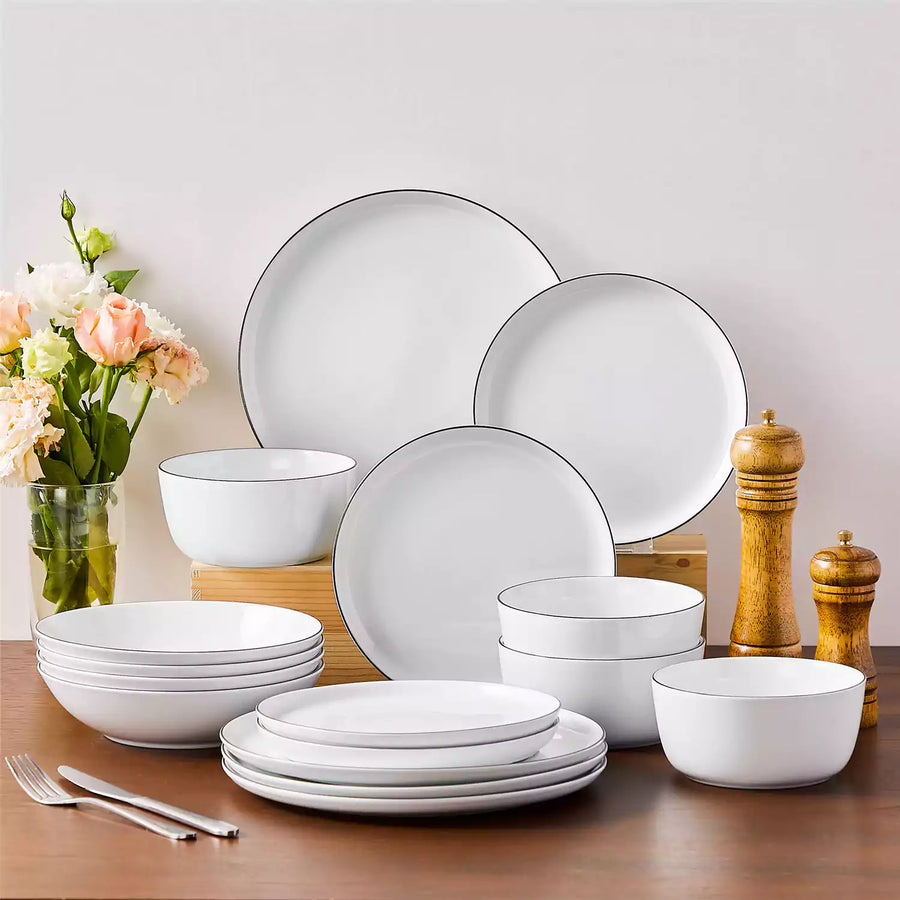
When choosing small bowls, consider stacking, storage, and appearance. A simple, easy-to-stack set is often more useful than highly specialized shapes that take up too much cabinet space. For example, the LEAH 24-piece dinnerware set for 6 offers an easy-to-stack design that works well for everyday dining and organized cabinet storage.
Foot Rings, Flared Rims, and Bowl Curves: What They Change in Daily Use
Small design details can make a noticeable difference in everyday comfort. A foot ring can help keep the bowl steady, make it easier to hold, and create a small gap between a hot bowl and the table.
Flared rims can make it easier to use a spoon or chopsticks, while curved interiors help gather rice or noodles. The thickness of the bowl also influences its weight in the hand and how quickly the outer surface becomes warm.
When comparing bowls, consider these practical features as well as decoration. An attractive bowl that is difficult to hold may not become your favorite everyday bowl.

Porcelain, Stoneware, and Ceramic Bowls for Chinese-Style Meals
Material influences weight, appearance, durability, and maintenance. The smooth surface, relatively light weight, and clean look of porcelain bowls make them a practical choice for rice, noodles, soups, and side dishes.
Stoneware tends to be heavier and more solid, making it suitable for casual or rustic table settings. Ceramic bowls are another flexible option and are available in many shapes, finishes, and decorative styles.
Material alone does not determine whether a bowl is suitable for Chinese-style meals. A good bowl should be evaluated based on appearance, stackability, weight, durability, and ease of care. Because glazes can release metals into acidic foods, government regulations on glazed ceramics and glassware set strict limits on how much lead and cadmium may migrate from glazed bowls into food.
White bowls are especially helpful for a flexible table. The neutral color of their appearance makes it easy to coordinate with other dinnerware and makes colorful noodles, vegetables, sauces and rice dishes stand out.
How to Choose Bowl Size for the Meals You Actually Cook
The bowl size you choose should depend on the meals you make most often. Compact bowls are suitable for single servings of rice, while deeper bowls work well for congee and brothy foods.
Noodles are best served in bowls with a larger opening and enough room for broth and toppings. Medium bowls provide enough space for dumplings without making the food difficult to reach. Small bowls are typically used for sauces, pickles, and condiments.
A large ceramic bowl can be helpful if you often make noodle soups or one-bowl meals. Avoid buying every possible size at once. Start with bowls that match your most frequently eaten meals, then add special sizes only when needed. MALACASA offers different bowl styles and sizes through its bowl collection.
Setting the Table with Bowls, Chopsticks, Spoons, and Small Plates
A home table should be arranged according to the meal rather than a single regional table setting. If you are eating rice, keep the rice bowl within easy reach and place chopsticks and a spoon nearby.
For soup and noodle dishes, the larger bowl usually becomes the main individual dish. Small bowls can be used for sauces, pickles, toppings, or individual side portions, while larger serving bowls and plates can be placed in the center for shared dishes.
The goal is to make both individual and communal foods easy to access without overcrowding the table. Different bowl sizes provide flexibility, and coordinated white bowls can help create a clean, organized look.
Chinese Bowl FAQs: Rice Bowls, Noodle Bowls, Soup Bowls, and Porcelain Bowls
Q1: What Is a Chinese Bowl Used For?
A Chinese bowl can be used for rice, noodles, soup, congee, dumplings, sauces, and side dishes. The best shape depends on the food being served.
Q2: Is a Rice Bowl Smaller Than a Noodle Bowl?
Yes. Rice bowls are typically smaller, while noodle bowls are usually larger and provide more room for noodles, broth, and toppings.
Q3: Can Porcelain Bowls Be Used for Chinese Food?
Yes. Porcelain bowls can be used for rice, noodles, soup, congee, and side dishes. Material choice mainly depends on personal preference, durability, weight, and ease of care.
Q4: Which Bowl Works Best for Noodles?
Noodles are best served in a medium to large noodle bowl with a wide mouth and good depth, especially when they are served with broth and toppings.
Q5: What Is the Point of Small Ceramic Bowls?
Small ceramic bowls are useful for sauces, pickles, condiments, toppings, and small side dishes. They help keep a shared table organized.