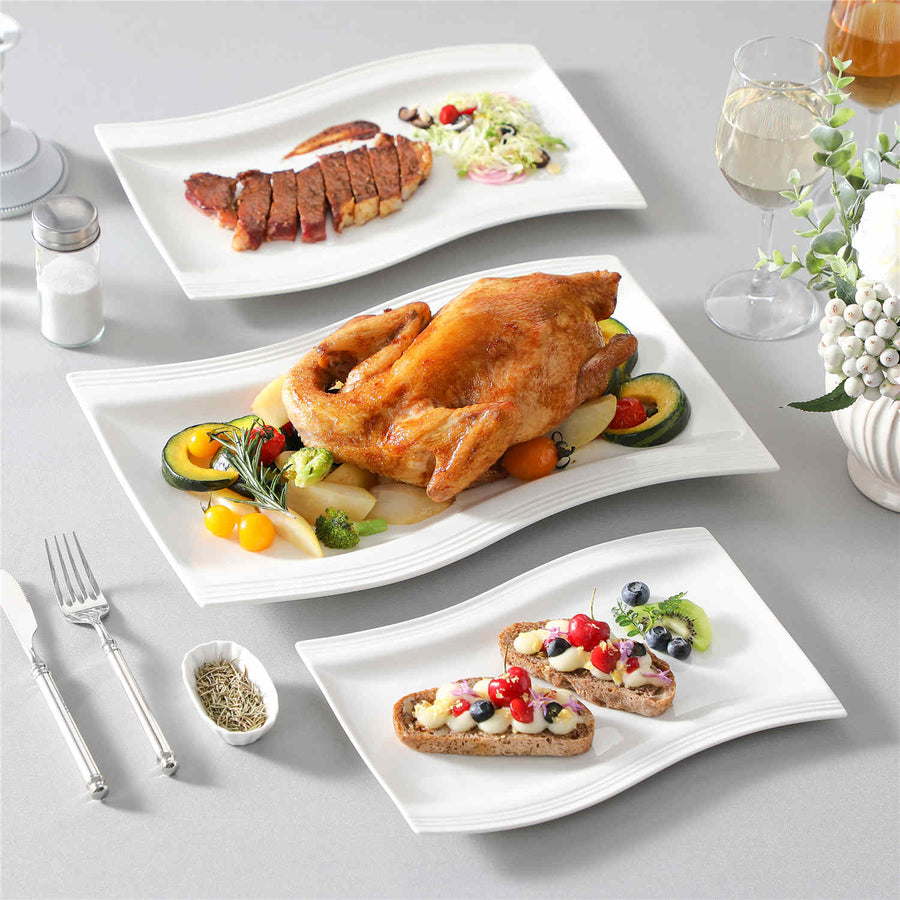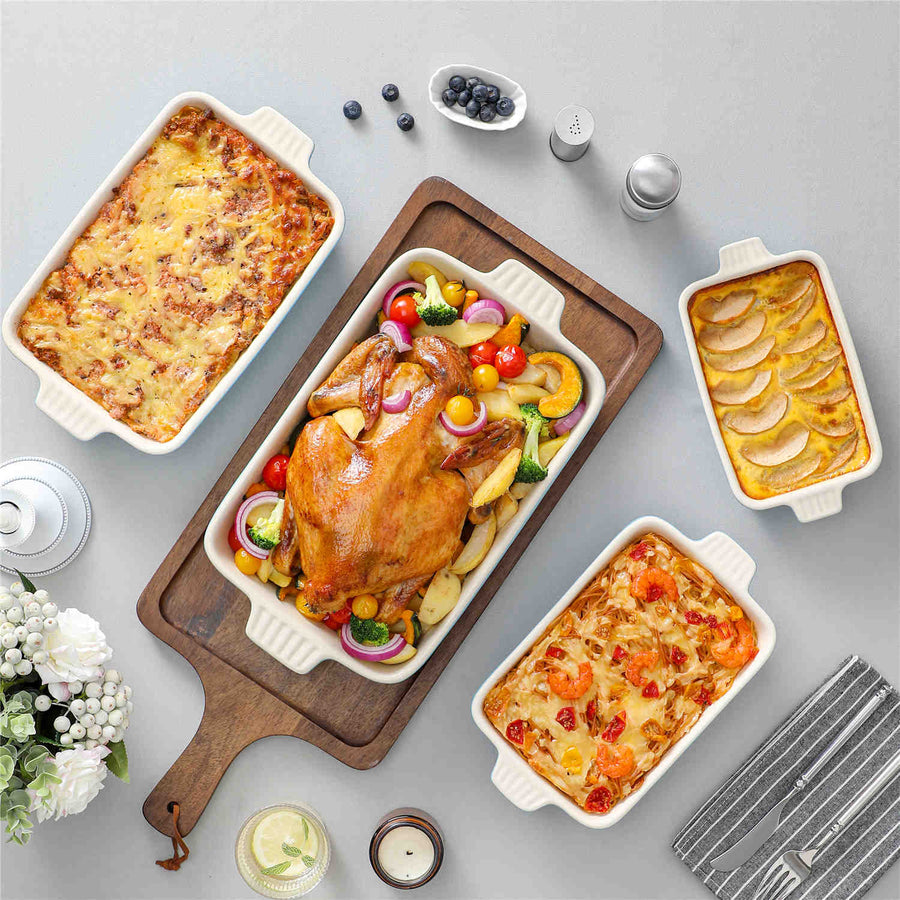


Choose restaurant tableware by matching each piece to the menu, service format, washing process, storage space, and replacement plan. Appearance matters, but a plate that looks impressive in a catalog may be too heavy, difficult to store, or poorly suited to a busy service. Evaluating how each item will be plated, carried, cleared, washed, and reordered helps you build a tableware program that continues to work after opening day.
What Does Restaurant Tableware Include?
Restaurant tableware covers more than plates. A complete program may include four main categories:
| Category | Common Items | Main Buying Considerations |
| Dinnerware | Dinner plates, side plates, pasta bowls, soup bowls | Portion size, rim design, weight, stackability |
| Serveware | Platters, sharing bowls, sauce dishes | Carrying comfort, table space, menu format |
| Flatware | Forks, knives, spoons, serving utensils | Balance, finish, corrosion resistance |
| Drinkware | Water glasses, wine glasses, cups, mugs | Capacity, storage, breakage risk, beverage menu |

Build the list from the actual menu instead of buying every item available in a matching collection. A café may need more cups and small plates, while a family-style restaurant may rely more heavily on serving dishes and platters for shared courses.
Match Each Piece to the Menu and Service Flow
Assign a clear purpose to every item before comparing colors or collections. The usable plating area must hold the intended portion and garnish without crowding, while the rim or edge should contain sauces during transport.
Servers should be able to lift, carry, and clear the piece comfortably. Each item also needs to fit the restaurant’s trays, pass shelves, plate covers, dishwasher racks, carts, and storage areas. Whenever possible, select versatile pieces that can support more than one menu category without weakening portion control or presentation.
A wide-rim plate can frame a composed entrée, but the rim reduces the usable food area. A coupe plate provides more open space, although its shallow edge may be less suitable for loose sauces. Deep pasta and soup bowls help contain liquid dishes but require more vertical storage.
Choose each restaurant plate size, material, and serving purpose according to the food it must hold rather than relying only on conventional product names.
Choose Dinnerware Material by Operating Demands
No material performs best in every restaurant. Thickness, firing, glaze, shape, and decoration can affect how pieces made from the same general material respond to repeated use.
| Material | Potential Strengths | Points to Verify |
| Porcelain | Refined appearance and a broad range of shapes | Rim strength, weight, decoration, washing compatibility |
| Stoneware | Substantial feel and textured or handcrafted finishes | Weight, glaze variation, storage requirements |
| Bone china | Thin profile, light weight, elegant presentation | Cost, handling requirements, replacement supply |
| Melamine | Lightweight and resistant to many everyday drops | Heat limits, scratching, staining, approved uses |
| Tempered glass | Clean appearance and improved resistance to some impacts | Breakage behavior, rack fit, replacement availability |
Porcelain can suit casual and formal settings, but the material name alone does not establish commercial performance. Confirm that the specific product can withstand the handling, washing, and temperature conditions in your operation.

For sanitation and repeated use, select food-contact surfaces that are smooth, durable, nonabsorbent, and easy to clean. Remove pieces when chips, cracks, crazing, deep scratches, or other damage make them difficult to clean or handle safely.
Check Size, Weight, Shape, and Equipment Fit
Measure the usable food area rather than relying only on the overall diameter. A large decorative rim may make a plate appear spacious while leaving less room for the meal.
Test the weight individually and as a full stack. A heavier plate may feel substantial on the table, but servers and dishroom staff will handle it repeatedly throughout a shift. The weight should remain manageable when several pieces are carried or cleared together.
Round dishes generally use rack and shelf space efficiently. Square, rectangular, and asymmetrical pieces can create a distinctive presentation, but their corners may be more exposed during carrying, stacking, and washing.
Approve a design only after confirming that it:
- Sits securely without rocking
- Fits existing racks, trays, carts, shelves, and plate covers
- Leaves enough finger space for safe service
- Separates easily from a stack
- Does not place excessive pressure on rims or decorative details
Record the overall dimensions, usable food area, weight, and stack height for every approved piece. These measurements make it easier to plan storage and compare future replacements.
Confirm Care Instructions for the Exact Finish
Items from the same collection may have different care requirements. Metallic trim, reactive glazes, textured surfaces, and specialty decorations can change whether a piece is suitable for a dishwasher, microwave, or oven.
Commercial equipment may also expose tableware to different operating conditions from those found in a home kitchen. Because commercial dishwasher sanitizing requirements involve specific wash and final-rinse conditions, a general dishwasher-safe label does not automatically establish suitability for repeated commercial cycles.
Confirm the following for the exact product, color, and finish ordered:
- Dishwasher compatibility and recommended detergent
- Microwave and oven compatibility
- Maximum operating temperature
- Restrictions related to metallic decoration
- Procedures for handling damaged pieces
Do not apply the care instructions for a plain white version automatically to a version with gold, silver, or another metallic finish.
Calculate Quantity From the Service Cycle
The correct quantity depends on turnover, menu use, wash-cycle time, peak service volume, and replacement lead time. A fixed rule based only on seat count may result in shortages for high-use pieces and unnecessary inventory for specialty items.
Calculate the opening quantity of each SKU separately:
Opening quantity = peak simultaneous use + pieces in washing or transport + operating buffer
A dinner plate used for nearly every entrée needs a larger working quantity than a specialty bowl assigned to one menu item. Buffets, room service, outdoor seating, banquets, and multi-course service may also increase the number of pieces in circulation.
Include enough stock to keep service moving while used pieces are being cleared and washed. Base the operating buffer on expected breakage, delivery time, reorder minimums, and the availability of individual replacement pieces.
Compare Lifetime Cost Instead of Unit Price Alone
The lowest unit price may create higher costs if the product is difficult to replace, inefficient to store, or unsuitable for the restaurant’s washing process.
Include these factors in the cost comparison:
- Case quantity and shipping
- Damage during delivery
- Replacement availability
- Reorder minimums and lead times
- Staff handling requirements
- Dishwasher and storage capacity
- Expected changes to the menu
- Availability of individual pieces
A versatile bowl used for breakfast, side dishes, and desserts may provide more value than several narrowly specialized items. However, reducing the range too far can weaken portion control or force the kitchen to use an unsuitable vessel for certain dishes.
Compare the expected cost per period of use rather than treating the original purchase price as the complete cost.

Test Samples Before Placing a Bulk Order
Run samples through a complete service cycle before approving a large quantity. Plate several representative dishes, including the heaviest entrée and the item with the most sauce. Check the usable surface, portion fit, presentation, and stability under the dining room’s actual lighting.
Have servers carry and clear the samples using the restaurant’s normal trays and service methods. Then wash and store them with the existing equipment.
After repeated handling and washing, inspect the pieces for:
- Glaze changes or visible metal marking
- Water collecting in the foot ring
- Scratches from flatware
- Chips around rims or corners
- Instability in dishwasher racks
- Difficulty separating stacked pieces
Compare several samples from the same line. Differences in dimensions, color, or foot-ring shape can complicate storage and future replacement even when the products share the same name.
Build a Coordinated and Replaceable Tableware Program
Start with versatile pieces used across the menu, then add distinctive bowls, platters, or accent plates where they support a signature dish. Repeating one or two details, such as color, rim shape, glaze texture, or geometric form, can keep mixed pieces visually connected.
Combining individual porcelain plates with selected pieces from coordinated dinnerware sets can provide visual consistency without requiring every course to use the same shape.

Maintain a purchasing record for every approved item. Include the SKU, dimensions, weight, color, finish, supplier, purchase date, care instructions, reorder terms, and approved substitute. This prevents damaged pieces from being replaced with products that appear similar online but differ in size, shade, or performance.
Finalize Your Restaurant Tableware Order
Finalize the required pieces, quantities, care limits, and replacement plan before placing the order. Keep specialty items limited to dishes that benefit from their shape or presentation, and confirm that frequently used pieces can be reordered individually.
Restaurants, retailers, and event businesses can request a wholesale quote by providing the preferred collections, quantities, destination, and intended use. Include any required delivery date and confirm product-specific care, stock continuity, and replacement options before approving the final order.
FAQs About Buying Restaurant Tableware
Q1. How Far in Advance Should a Restaurant Order Tableware?
Allow enough time for samples, staff testing, quantity adjustments, shipping, and replacement of items damaged in transit. Lead times vary according to stock location, order size, destination, and customization, so establish the approval and delivery schedule before fixing the restaurant’s opening date.
Q2. Should Restaurants Buy Complete Sets or Individual Pieces?
Individual pieces provide greater control because restaurants rarely use plates, bowls, cups, and side dishes at the same rate. Complete sets can simplify visual coordination, but frequently used items should still be available separately for restocking.
Q3. How Can Replacement Tableware Stay Visually Consistent?
Record the exact SKU, dimensions, color, finish, and supplier when the original order is approved. Reorder before inventory becomes critically low, and compare samples from later orders with existing stock because glaze color and surface appearance can vary between production runs.
Q4. Is Matte or Glossy Dinnerware Easier to Maintain?
Maintenance depends on the specific glaze and finish. Some matte surfaces show flatware marks more readily, while glossy finishes may make scratches or fingerprints easier to see. Test each finish with the restaurant’s utensils, detergents, dishwasher, and typical menu items.
Q5. Is It Better to Use One Tableware Supplier?
Using one supplier can simplify ordering and visual coordination, but relying on one product line creates problems if it is discontinued. Maintain accurate product records and identify acceptable substitutes for essential pieces such as dinner plates, bowls, and cups.