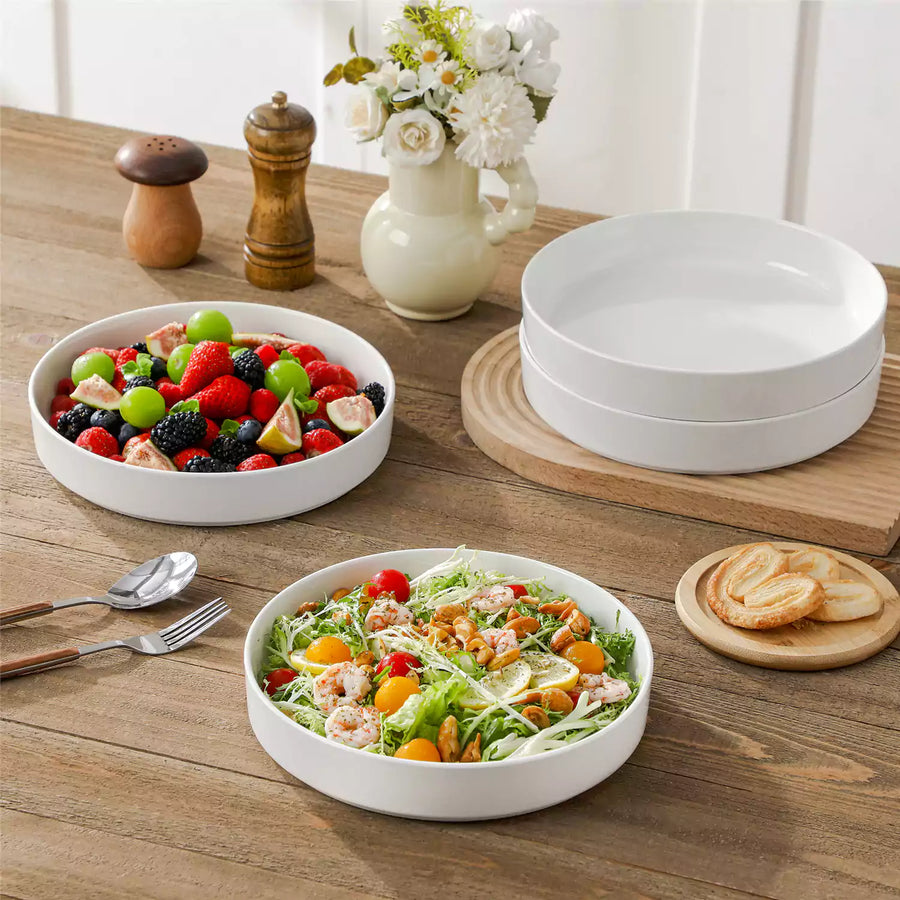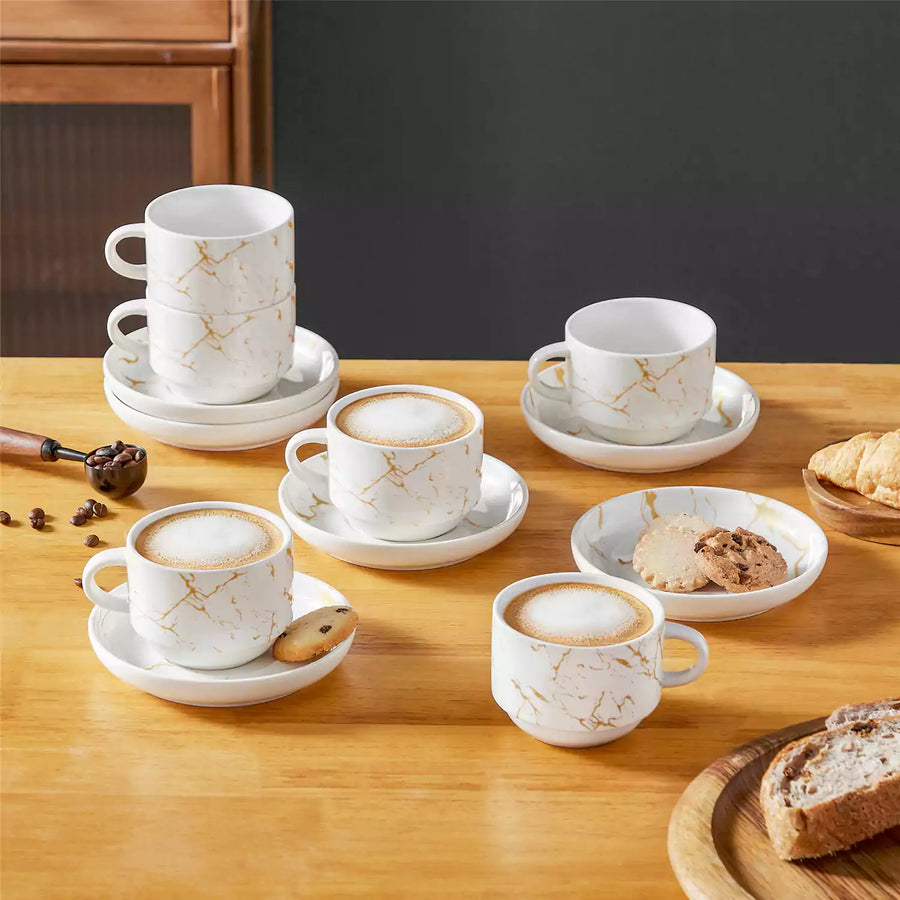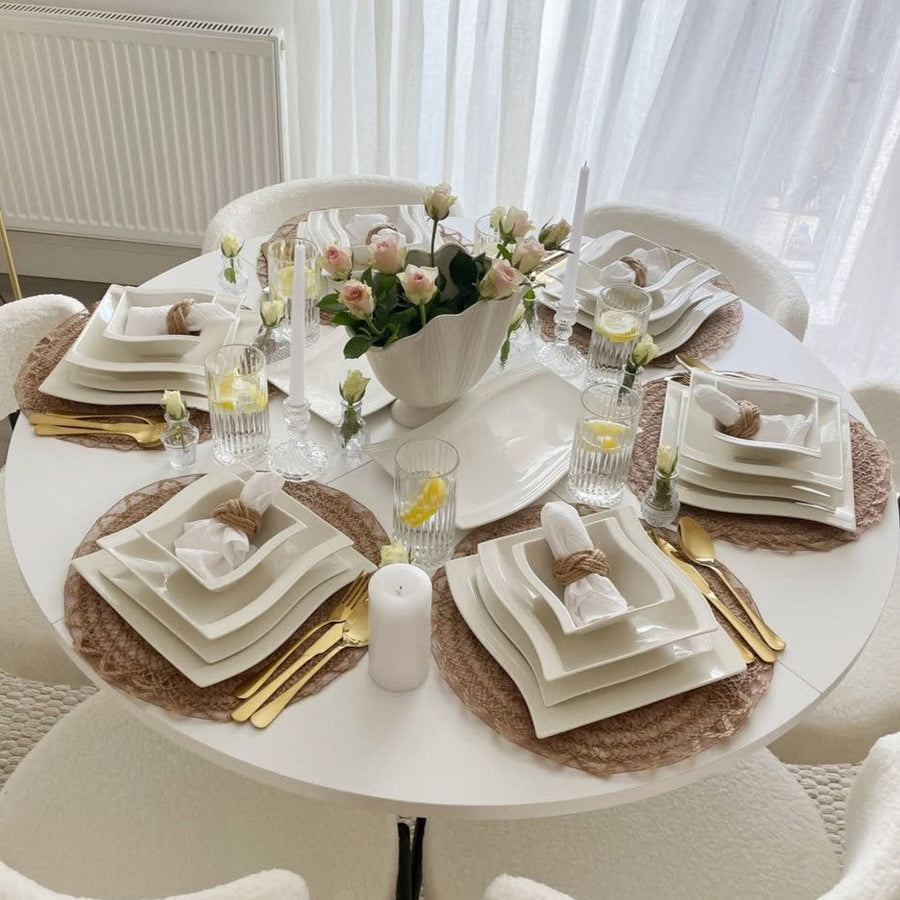


Choose high-end dinnerware by looking at how it is made, how it feels to use, and what the price includes. A refined glaze, balanced shape, and carefully finished rim can make everyday meals feel more special. Decorative details may also be worth paying for, provided their care requirements suit your routine. To find the right set, compare materials and workmanship first, then check dimensions, place settings, and the total cost of completing your table.
Understand What Makes Dinnerware Worth a Higher Price
When comparing high-end dinnerware, separate the value of its design from its practical performance.
Hand-applied decoration, sculpted edges, or an expressive glaze may contribute to a higher price. Their value comes from the detail and appearance you enjoy at the table. A simpler set can offer a different kind of refinement through pleasing proportions, comfortable handling, and a consistently finished surface.
Pay extra for details you can identify and appreciate. Look closely at the decoration, handle the pieces when possible, and compare the shapes with food on them. A wide ornamental rim, for example, frames a dish attractively but leaves less room for food than a narrow rim on a plate of the same diameter.
Keep durability claims separate from appearance. A heavy plate, translucent body, or elaborate pattern does not establish how well a particular piece resists chipping. For everyday use, check each shortlisted set’s care instructions and any product-specific performance information.
Compare Porcelain, Bone China, and Stoneware
All three materials can create an elegant table. Start with the look and feel you prefer, then compare the actual pieces rather than relying on the material name alone.
| Material | Typical Look and Feel | A Good Fit When You Want… | Check Before Buying |
| Porcelain | A refined ceramic body, often smooth and crisp white | A versatile setting for daily meals and dinner parties | Weight, rim shape, and appliance compatibility |
| Traditional bone china | Often thin and lightweight, with translucency and a warm white tone | A delicate appearance and lighter handling | Composition, decorative finish, and care requirements |
| Stoneware | Often thicker and heavier, with earthy colors or expressive glazes | A substantial feel and a relaxed, textured table | Stack height, individual piece weight, and glaze variation |
For one service that moves between everyday meals and entertaining, plain porcelain is a useful starting point. Choose traditional bone china if its lighter feel and translucent appearance appeal to you. Choose stoneware when its texture and substantial handling are part of the experience you want.
Traditional bone china contains bone ash. Products described as “new bone china” may use a different formulation, so check the specific composition if animal-derived ingredients matter to you.
Thickness alone does not establish chip resistance. The ceramic body, firing, glaze, and shape all affect performance; any ceramic dinnerware can break when dropped or knocked against a hard surface.

Inspect the Finish, Balance, and Handling
Good workmanship should be noticeable where you touch, eat from, and stack the pieces. If you can inspect a sample, work through these details:
- Rim: Run a fingertip gently around the edge. It should feel smooth, without sharp spots, chips, or unintended rough patches.
- Eating surface: Look across the glaze in good light for cracks, pinholes, or rough areas where utensils will move. Intentional texture should match the design description.
- Base: Set the piece on a flat surface. It should sit steadily, and the foot should feel smooth enough to handle without snagging a cloth.
- Stacking: Stack several matching pieces. They should nest securely and separate without catching.
- Handling: Hold one plate, then lift a small stack. Choose a weight you can comfortably carry and put away.
For a regular, symmetrical design, compare the shape and finish across several pieces. With a reactive glaze, expect the color and pattern to vary as described for that collection. Intentional variation should still come with sound construction and comfortable handling.

Check Dimensions Against Your Meals and Kitchen
Use a plate and bowl you already like as references. Measure their dimensions and note how comfortably they hold your usual portions.
For bowls, compare capacity as well as diameter. Wide, shallow bowls give pasta and grain dishes room to spread out; deeper bowls suit cereal and broth-based soups. A bowl can look generous in a photograph while holding less than you expect.
Before ordering a full service, check three spaces:
- Cabinet: Measure usable shelf depth and height, leaving room to lift pieces out and close the door.
- Dishwasher: Compare plate height and bowl depth with your rack spacing and spray-arm clearance.
- Microwave: If you reheat meals, confirm the plate fits and can rotate freely where the appliance uses a turntable.
Dishwasher-safe does not mean it will fit your dishwasher. Likewise, microwave-safe, dishwasher-safe, and oven-safe are separate claims. For reheating, use microwave-safe cookware and follow the appliance instructions. Verify metallic decoration separately before putting a piece in the microwave.
Build Complete Place Settings Around Your Menu
A place setting is the group of pieces one person needs for a meal. Compare those pieces before comparing the total number on the box: a 24-piece set might serve six people with four pieces each or eight people with three.
List the pieces you use regularly. If you eat cereal in the morning and pasta or soup at dinner, two bowl shapes may be more useful than matching mugs. If you often serve a salad before the main course, include a smaller plate for each guest.
For a table of six that needs both shallow and deeper dishes, our Amelia 24 Piece Dinnerware Set includes six each of dinner plates, dessert plates, soup plates, and bowls. Its 10.5-inch dinner plates also give you a concrete size to compare with the plates and storage space you already have.
Choose the number of settings for the largest group you regularly serve, with extra pieces where your washing routine makes them useful. For a household of four that often hosts two guests, six complete settings cover dinner; additional everyday plates may help between dishwasher loads.
Before planning future additions, confirm whether the exact size, color, and finish are sold individually or in smaller packs.
Choose a Design That Works Across Your Table
Start with the atmosphere you want: a clean white setting, a warm textured table, or decorative pieces that become the focal point.
White and off-white dinnerware are easy to dress with changing linens and glassware, but different collections may have cool, creamy, or ivory undertones. Compare them together in daylight before expecting an exact match.
If you prefer pattern, decide where it will sit. Plain dinner plates with patterned smaller plates create interest without repeating a strong design across every piece. A shared color or rim detail can connect the setting to serving bowls and platters you already own.
Choose decorative finishes with their maintenance in mind. For everyday reheating and dishwasher use, prioritize pieces expressly suitable for both. For occasional entertaining, more delicate decoration may be worthwhile if you are happy to follow its care instructions.

Compare the Full Purchase Cost
Compare prices for the same number of usable settings and similar components. Include any missing bowls, shipping, and serving pieces you need to complete the table.
A set with extra cups is good value when you will use them. If you already have enough cups, a smaller set with the right plates and bowls may be the more useful purchase. Replacement availability also matters when you want to maintain a coordinated service over time.
Spend your budget on the qualities you will enjoy repeatedly: the way a plate feels in your hand, a glaze you love, useful bowl shapes, or decoration that makes hosting special. Narrow our dinnerware sets by service size and material, then compare the included pieces against your menu and storage measurements.
Keep the Finish Looking Its Best
Follow the care instructions for the specific collection, including any decorative trim. In the dishwasher, leave enough space to prevent pieces from knocking together. For handwashing, use a soft sponge and a suitable mild detergent.
Avoid sudden temperature changes, such as placing a hot plate in cold water. Let pieces cool before washing, and use oven-safe dinnerware only within its stated limits.
Lift plates rather than dragging them across a stack. Soft separators are useful for delicate finishes or pieces stored between special occasions.
High-End Dinnerware Quality and Replacement FAQs
Q1. Can You Judge High-End Dinnerware Quality From Product Photos Alone?
No. Photos help you assess style and visible finishing, but they cannot establish balance, weight, or comfortable handling. Look for close-ups of the rim, eating surface, and underside, alongside dimensions and care details. If available, order a sample or small pack before committing to a full service.
Q2. Do Gray Cutlery Marks Mean an Expensive Plate Is Scratched?
Not necessarily. Gray streaks can be metal transferred from utensils onto the glaze. Use a finish-appropriate method for removing utensil marks, rather than aggressive scouring. A visible crack or damaged glaze needs a different assessment from a removable surface mark.
Q3. What If a Matching Replacement Is No Longer Available?
Ask the seller about remaining stock in the exact size and finish. If an exact match is unavailable, replace that piece type with a coordinated contrast, such as accent bowls used at every setting. You can keep the rest of the service while making the change look intentional.