

White dinnerware remains popular in homes and restaurants because it provides a neutral background for food, works with many table styles, and is relatively easy to coordinate over time. Its appeal is not limited to plain round plates. Different shapes, textures, rims, and shades of white can suit everything from everyday breakfasts to formal dinners. However, color alone does not determine durability, stain resistance, or dishwasher safety. Those qualities depend mainly on the material, glaze, and construction.

White Dinnerware Keeps the Focus on the Food
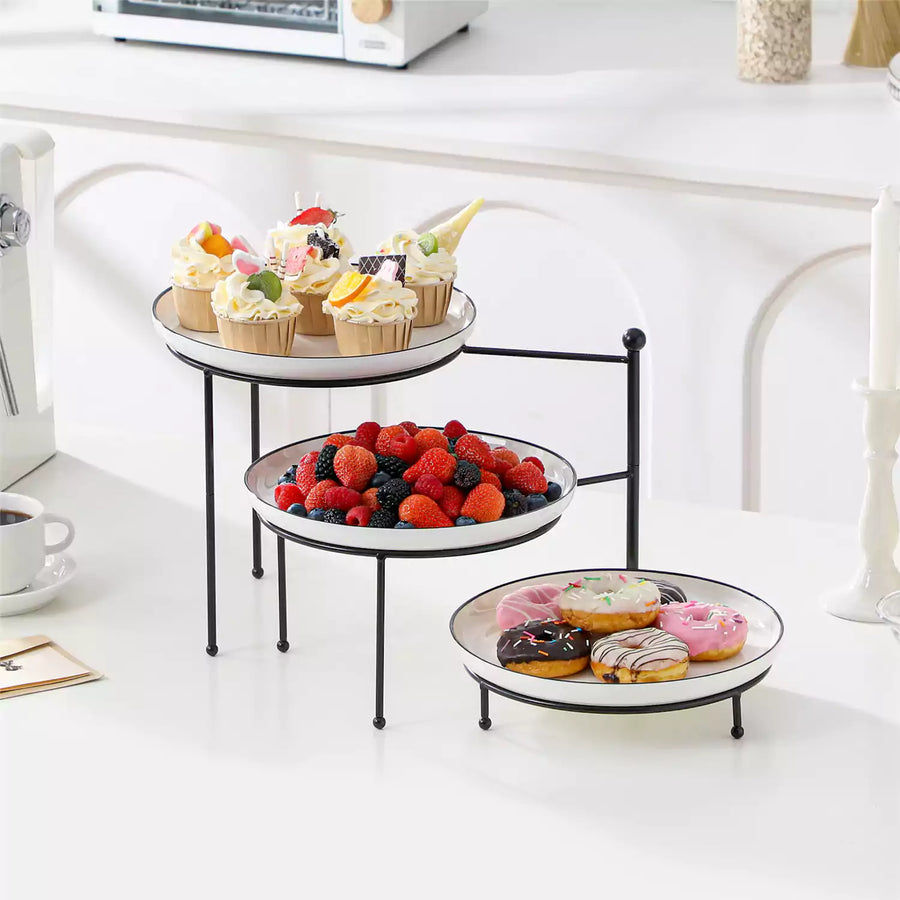
A white plate creates clear contrast with many colorful ingredients. Tomato-based pasta, roasted vegetables, leafy salads, berries, and chocolate desserts can stand out without competing with a patterned or strongly colored background. This is one reason chefs and food photographers often use white dinnerware.
Plate color can influence how diners judge a dish, but the effect is not universal. Research into plate color and food perception found that the background affected visual judgments such as presentation, color intensity, and how appetizing a dessert looked. The results depended on both the food and the plate rather than white automatically making every dish look or taste better.
Contrast matters most. Pale foods such as mashed potatoes, cream sauces, white fish, or vanilla desserts may blend into a bright white plate. In those cases, a colored plate, textured rim, sauce, or garnish can create better visual separation.
It Works With Casual and Formal Table Settings
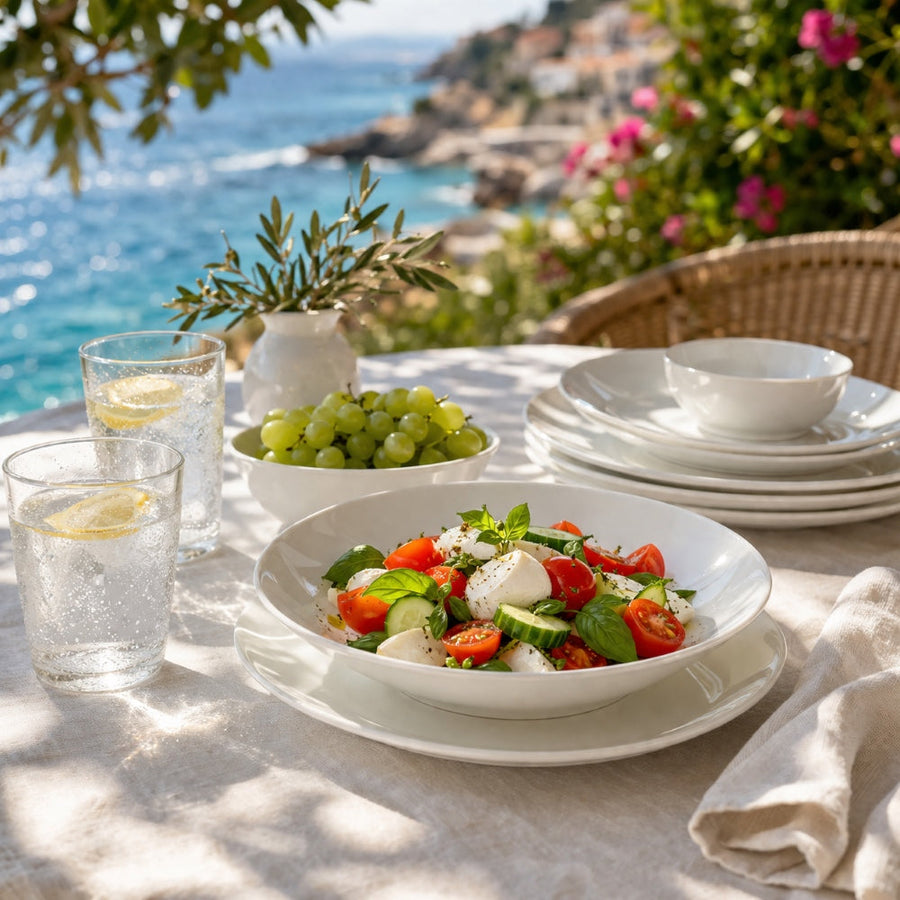
White dinnerware does not lock the table into one color scheme. It can sit alongside wood, glass, stainless steel, colored linens, patterned napkins, and seasonal decorations without creating an obvious clash.
For an everyday meal, simple white plates can keep the table uncluttered. For a formal dinner, the same pieces can be paired with polished flatware, stemware, candles, and layered linens. During holidays, changing the centerpiece, napkins, or serving pieces may be enough to give the table a different look without replacing the main dinnerware.
White also suits a broad range of interior styles. Smooth porcelain with a narrow rim can feel contemporary, while embossed edges, scalloped shapes, or warmer ivory tones can work with traditional and farmhouse settings. The color remains neutral, but the shape and finish give the table its character.

White Pieces Are Often Easier to Coordinate and Expand
Plain white dinnerware can be more forgiving than a distinctive printed pattern when a plate breaks or more place settings are needed. A replacement does not always have to come from exactly the same decorative collection to look intentional.
Still, not every white matches. Bright white, warm white, cream, and ivory can appear noticeably different when placed side by side. Glossy porcelain may also contrast with matte stoneware, even when both products are described as white. Plate depth, rim width, thickness, and profile affect how well pieces coordinate.
For households that expect to expand a set, an open-stock collection is usually more practical than a boxed set available only for a limited period. Open-stock lines allow individual bowls, plates, mugs, and serving pieces to be purchased separately.

White Can Look Clean, but Color Does Not Determine Performance
White is often associated with simplicity and cleanliness in contemporary dining environments. It also makes crumbs, food residue, discoloration, metal marks, and some chips easier to notice. That visibility can help users identify when a piece needs additional cleaning or replacement, but it does not make the surface inherently more hygienic.
The performance of dinnerware depends primarily on its construction. Porcelain, stoneware, bone china, and glass can differ in weight, porosity, edge strength, heat response, and resistance to scratches or chipping. Glaze quality and care instructions matter more than color.
White dinnerware is therefore not automatically:
- Easier to clean
- More durable
- Resistant to stains
- Safe for microwave or oven use
- Suitable for the dishwasher
These features should be confirmed in the individual product’s care instructions. A comparison of white plate materials can help separate visual appearance from practical performance.

When White Dinnerware May Not Be the Best Option
White dinnerware is versatile, but it is not the right choice for every table or dish. A completely white place setting can feel too plain or clinical in some interiors. Glossy white surfaces may reveal utensil marks, while matte finishes can show oil residue or staining depending on the glaze.
The best choice depends on how the dinnerware will be used. White is particularly useful for people who regularly change their table décor, serve colorful food, or want pieces that can be coordinated over time. Those who prefer bold table settings or frequently serve pale, low-contrast dishes may benefit from adding colored bowls, patterned side plates, or textured serveware.
White dinnerware remains popular because it provides a flexible foundation rather than a fixed look. Its neutral color supports food presentation and table styling, while its shape, material, and finish determine how it performs in everyday use.
FAQs About White Dinnerware
Q1. Which White Shade Works Best Under Warm Dining Room Lighting?
Warm white, cream, or ivory usually looks more natural under warm bulbs because the undertones complement the yellow light. Bright white creates a sharper, more contemporary contrast. Compare samples under the lighting used at your table, since online product photographs may not represent undertones accurately.
Q2. How Many White Dinnerware Place Settings Should You Buy?
Buy enough settings for your household plus two to four extras if storage allows. A four-person household that occasionally hosts guests may find six or eight settings practical. Extra plates and bowls also provide backups without requiring an immediate replacement when one piece becomes damaged.
Q3. Which Material Is Best for Everyday White Dinnerware?
Porcelain is a practical everyday option because it can combine a relatively light profile with a smooth, durable surface. Stoneware generally feels heavier and more casual, while bone china can be lighter and more refined. Actual performance still varies according to thickness, glaze, firing, and design.
Q4. How Can You Remove Gray Utensil Marks From White Plates?
Start with dish soap and a soft sponge. For marks that remain, try a gentle baking-soda paste or a nonabrasive ceramic cleaner, following the manufacturer’s instructions. Test the method on a small area first, especially if the plate has a matte or decorative glaze.
Q5. How Can You Check Whether White Dinnerware Is Food-Safe?
Confirm that the product is intended for food use and review the manufacturer’s safety information. Do not assume white ceramic is automatically lead-free or food-safe. Be especially cautious with vintage, damaged, hand-painted, or decorative pieces that lack reliable documentation for food-contact use.