


Summary: Swap the usual red tomato sauce for a lush green herb base and shakshuka becomes brighter, lighter, and unexpectedly elegant—perfect for a one-pan meal that looks as good on the table as it tastes on the fork.
From Red to Green: Rethinking Shakshuka
Classic shakshuka is a North African and Middle Eastern dish of eggs poached in a spiced tomato and pepper sauce, now a brunch staple from Tel Aviv to trendy US cafés, as writers at The Mediterranean Dish and Serious Eats note.
Green shakshuka keeps the cozy, one-pan egg ritual but trades tomatoes for leafy greens and herbs, creating a sauce that looks like spring and tastes like a garden.
Yotam Ottolenghi’s herb-heavy version and power-green skillets from The Healthy Maven and The Mediterranean Dish show how easily the format flexes: same soft eggs, completely different mood in the bowl.
As a tabletop stylist, I love that simple switch—red feels rustic, while green reads fresh, modern, and almost spa-like on the table.

The Green Herb Sauce: What’s Inside
Most green shakshuka recipes start with two layers: sturdy greens for body and a generous cloud of herbs for perfume and color.
Cooks like Chef Shannon and Serious Eats lean on spinach, kale, or Swiss chard for volume, then fold in herbs such as cilantro, parsley, mint, dill, or basil. Roughly 4–6 packed cups of greens plus 1–1½ packed cups of mixed herbs will comfortably sauce a 10-inch skillet with 4–6 eggs.
Citrus is non‑negotiable. Lime or lemon juice—sometimes with a spoon of capers or jalapeño as in Raise a Toast’s “green goddess” shakshuka—keeps the sauce bright, never muddy.
You sauté stems, onion, and garlic until soft, then tumble in the greens and herbs with warm spices like cumin, coriander, and a pinch of red pepper flakes. A splash of water or stock lets everything simmer into a loose, spoonable sea of green.
Nuance: Serious Eats prefers a smoother, blended sauce, while Chef Shannon champions a coarse, just‑pulsed herb mixture. Either direction works; visually, a slightly chunky sauce reads more artisanal on the table, while a velvety purée feels polished and restaurant-like.

Cooking (and Serving) in One Beautiful Pan
Choose a wide, shallow, oven-safe skillet—about 10–12 inches. Stainless steel or enamel-coated pans show off the color beautifully and move easily from stove to table.
Once your greens are wilted and well seasoned, use the back of a spoon to carve little nests and slip in your eggs. Serious Eats and The Mediterranean Dish both recommend covering the pan so the whites set gently while the yolks stay golden and soft, ideal for bread-dipping.
Think of it this way:
- 4 eggs in a 10-inch pan = light brunch for 2 with salad
- 5–6 eggs = hearty main for 2–3, or 4 if you serve plenty of bread and sides
Finish with a crumble of feta or goat cheese, a drizzle of herb oil (Raise a Toast’s trick for using extra herbs), and a last squeeze of lemon. The same pan becomes serving piece—minimal dishes, maximum impact.

Styling the Table: Let the Greens Take Center Stage
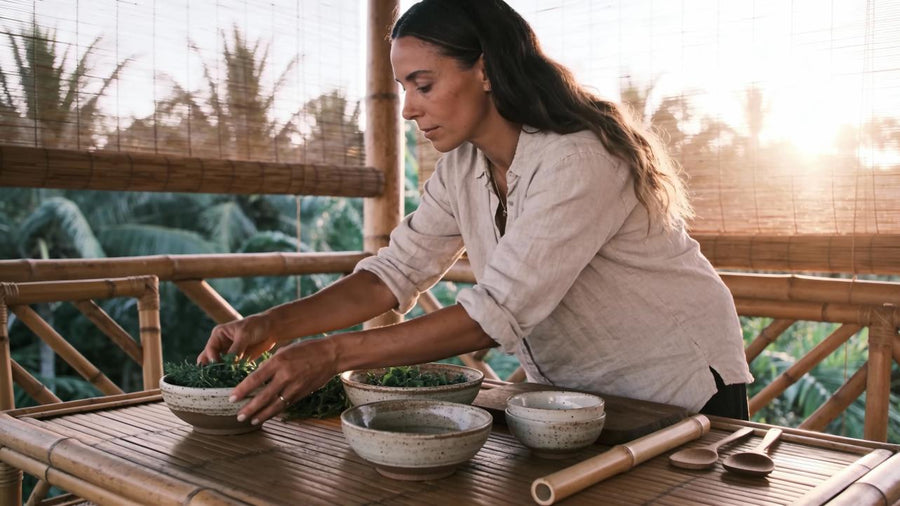
Green shakshuka shines when the tabletop around it is calm and neutral. Set the hot skillet on a natural wood board or woven trivet, then layer in:
- Soft, off‑white or sand-colored stoneware bowls that cradle the eggs and sauce
- A thin, cream or sage linen runner to echo the greens without competing
- One small bud vase with something simple—herb sprigs or a single flower, not a tall bouquet
Visually, the contrast of deep emerald sauce, white eggs, and snowy cheese needs room to breathe. That’s why I favor simple flatware and clear water glasses; they frame the dish instead of fighting it.
For the bread (essential, as everyone from Simply Recipes to The Mediterranean Dish reminds us), slice a crusty loaf into thick, 1‑inch pieces and tuck them into a low basket lined with a folded napkin so guests can reach for them as they scoop.

Everyday Rituals: From Weeknight to Brunch
Despite its showpiece look, green shakshuka is weeknight practical. Many authors—including The Mediterranean Dish and The Healthy Maven—note it clocks in around 30 minutes, and the greens base can be cooked ahead and reheated before adding eggs.
It also adapts beautifully to your routine: Tuesday night with a simple green salad, or Sunday brunch with fruit, coffee, and maybe a small mezze platter of olives and hummus. Leftover sauce can cradle a single egg the next day, a clever use of a few extra herbs and greens.
Quick FAQ for real-life kitchens:
- Is it spicy? Only as much as you like; keep it mild with just cumin and coriander, or add jalapeño, harissa, or Aleppo pepper.
- Can I make it dairy-free? Yes—skip the cheese, finish with extra herb oil and avocado slices for richness.
- What if I’m low on herbs? Use more greens, then finish with whatever fresh herb you have; even a small handful of parsley or cilantro lifts the whole pan.
Green herb shakshuka is that rare dish that’s nutritionally dense, visually striking, and genuinely easy to live with—a little everyday luxury in a single, beautiful pan at the center of your table.
References
- https://digitalcommons.wayne.edu/cgi/viewcontent.cgi?article=2776&context=oa_dissertations
- https://www.smith.edu/news-events/news/future-breakfast
- https://admisiones.unicah.edu/Resources/yrPmoj/1OK026/how_to_toast_pine_nuts.pdf
- https://digitalcommons.bucknell.edu/context/bucknell-farm/article/1001/viewcontent/DirtCheapNutrition_RainDeLucia.pdf
- https://do-server1.sfs.uwm.edu/key/=90Q26638L5/journal/72Q504L/middle+eastern+authentic+recipes+best+traditional+recipes+from+lebanon+syria+jordan+palestinian+territories+and+israel.pdf