
Quick Answer
A “microwave-safe” bowl can still get hot because microwave-safe does not mean cool to the touch. It simply means the dish is designed for microwave use under normal conditions. Some ceramic dishes absorb moisture through tiny pores, while thicker materials can hold heat longer. Dense, high-fired dinnerware, such as vitrified stoneware or porcelain, usually absorbs less moisture and can make reheating feel more predictable.
The Everyday Kitchen Problem
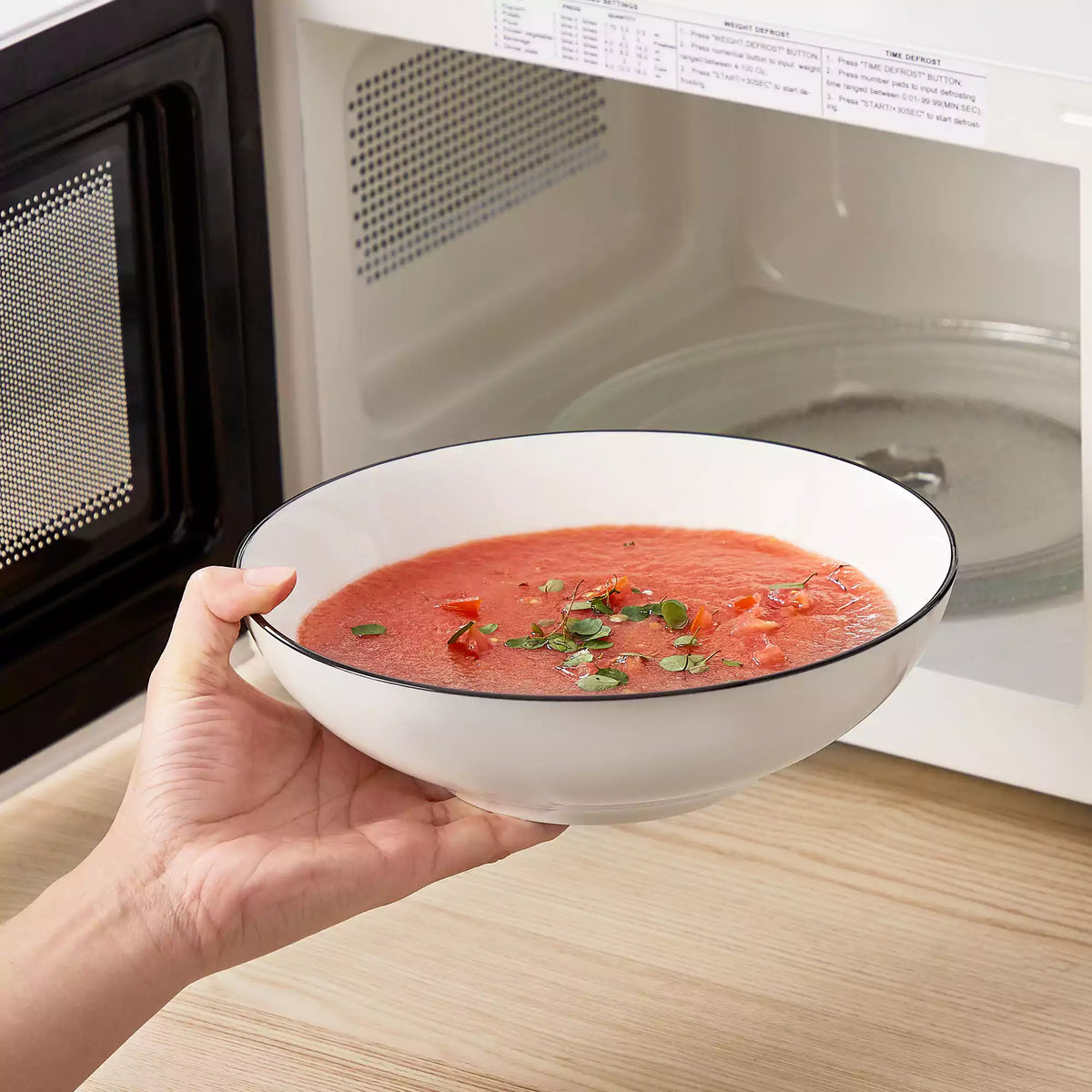
You know the moment: you microwave oatmeal before work or reheat last night’s soup, then reach for the bowl and realize it is too hot to touch, even though the food still feels lukewarm in the center.
It is a small kitchen frustration, but small frustrations add up when you are trying to build an easier, healthier meal routine. The surprising part? It can happen even when the dish is labeled “microwave safe.”
That label matters, but it does not tell the whole story.
What “Microwave Safe” Actually Means
Many people assume microwave safe means the dish will stay cool in the microwave. In reality, it means the material is suitable for microwave use under normal conditions.
It does not necessarily mean:
- The dish will stay cool
- The food will heat evenly every time
- The bowl will be comfortable to hold immediately after heating
The way a dish behaves in the microwave depends on several factors, including its material, thickness, density, moisture content, glaze, and shape.
That is why two bowls can both be microwave safe but feel completely different after one minute of reheating.

Why Some Ceramic Bowls Get Hotter Than Others
Microwaves mainly heat food by exciting water molecules. That is why soups, sauces, vegetables, and leftovers with moisture usually warm up quickly.
But some ceramic materials can also contain small amounts of moisture, especially if they are more porous. Lower-fired ceramics may have tiny openings in the material structure. These microscopic pores can absorb water from washing, dishwashers, or humid air.
When the dish goes into the microwave, that trapped moisture may contribute to extra heat inside the bowl itself.
Thickness also matters. A heavier bowl can hold onto heat longer once it warms up. That is why some dishes feel hot even when the food inside still needs more time.
So the issue is not that the microwave is “heating the bowl instead of the food.” It is usually a combination of moisture absorption, material density, heat retention, and uneven food heating.
Porous Ceramic vs. High-Fired Dinnerware
Not all ceramic dinnerware is made the same way.
Lower-fired ceramic pieces are often more porous. They may be affordable and attractive, but they can absorb more moisture over time. That can affect how they feel after microwaving and how they perform in daily use.
High-fired stoneware or porcelain is made at higher temperatures, creating a denser and more vitrified structure. A more vitrified surface is less porous, absorbs less moisture, and is generally easier to clean.
| Feature | More Porous Ceramic | Dense High-Fired Stoneware or Porcelain |
|---|---|---|
| Structure | More open and porous | Denser and more vitrified |
| Moisture absorption | Higher | Lower |
| Microwave handling | Less predictable | More predictable |
| Odor and stain resistance | Can vary | Usually better |
| Everyday durability | Can vary | Often stronger |
For everyday routines, this means dense dinnerware is less likely to act like a moisture-filled heat reservoir. It may still get warm, but the experience is often more consistent.
A Safer At-Home Comparison Test
You can observe the difference between dishes with a simple test.
Place a microwave-safe glass filled with water in the microwave. Then place the empty ceramic bowl beside it. Heat for about 30 to 60 seconds.
Carefully touch the outside of the bowl after heating.
If the empty bowl becomes noticeably hot, that may suggest the material, glaze, or retained moisture is contributing to heat buildup. This does not automatically mean the dish is unsafe, but it may explain why it feels uncomfortable during daily use.
Always handle heated dishes carefully. Even microwave-safe dinnerware can become hot.

How Better Dinnerware Supports Better Routines
Choosing the right dish is not just about how your table looks. It can change how smoothly your kitchen works.
For many people, healthy eating depends less on complicated recipes and more on routines that are easy to repeat. A good bowl should work for morning oatmeal, meal-prepped rice bowls, reheated soup, leftover pasta, and a quick snack after a long day.
Dense, high-fired dinnerware can help reduce moisture-related heat surprises and make reheating feel more dependable. It also tends to resist staining, lingering odors, and everyday wear better than more porous alternatives.
That matters when one bowl moves from the dishwasher to the microwave, from the counter to the table, and back again several times a week.
Small details like this can make home cooking feel easier and easier routines are the ones people actually keep.
ZORA Collection: Made for Everyday Reheating
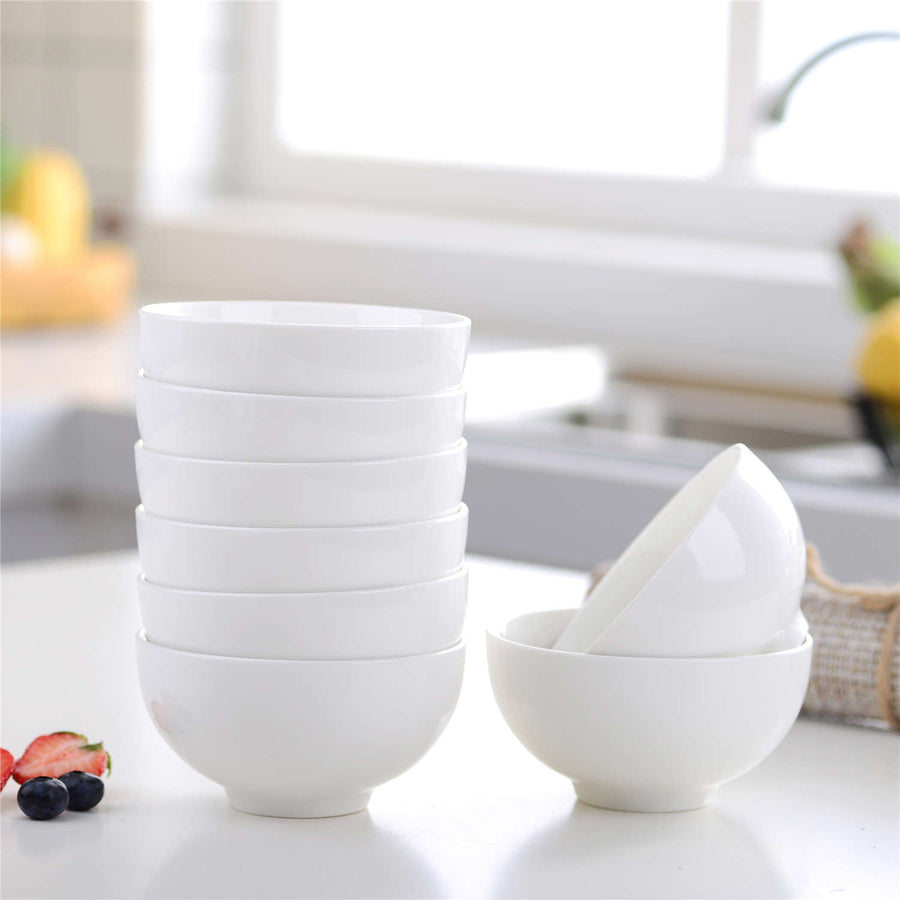
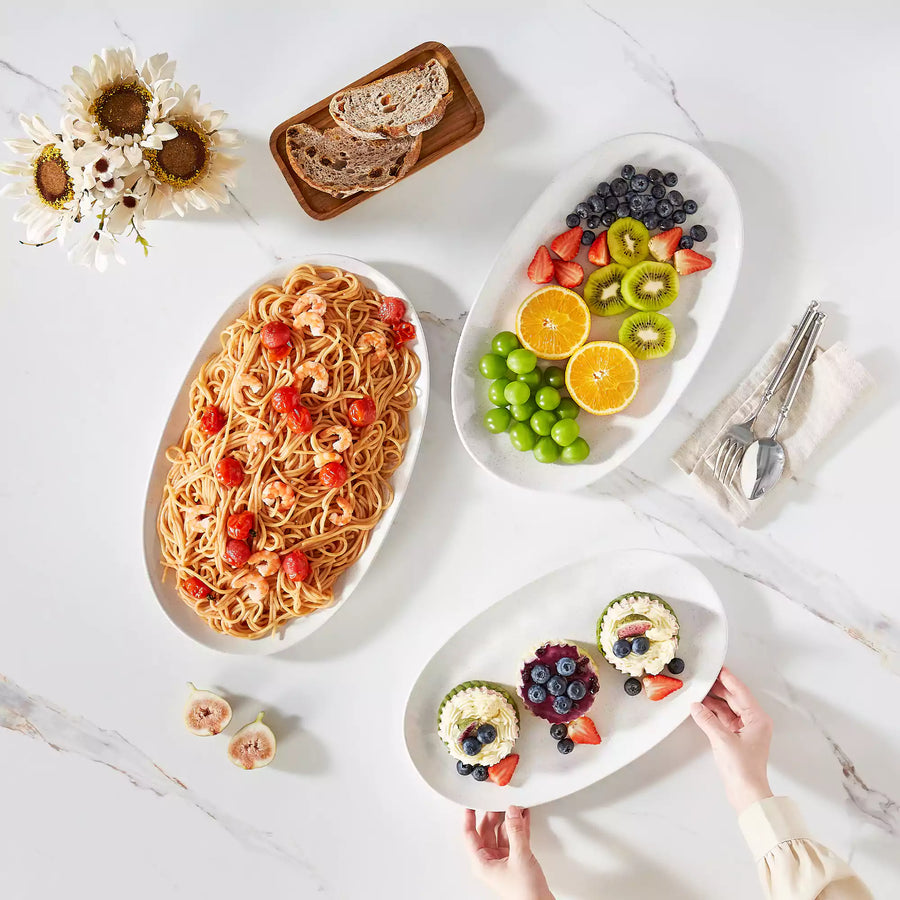
The ZORA Collection is designed for daily meals that move from microwave to table, from oatmeal to leftovers. Made with high-density, high-fired stoneware, each piece helps reduce excess moisture absorption, making everyday reheating feel more predictable than with more porous ceramics.
Freezer, Oven, Dishwasher: What to Know
High-fired dinnerware is often designed for flexible daily use, but it is still important to follow the manufacturer’s care instructions.
In general, quality stoneware or porcelain may be suitable for the microwave, dishwasher, and oven when properly rated. However, sudden temperature changes should always be avoided.
Do not move a dish directly from the freezer into a very hot oven unless the product instructions clearly say it is safe to do so. Let frozen dishes adjust gradually before heating.
This helps protect the material and extend the life of your dinnerware.
FAQs
Q1: Why Does My Microwave-Safe Bowl Get Hotter Than My Food?
This can happen because some dishes retain heat, absorb moisture, or warm unevenly depending on their material and thickness. Food can also heat unevenly, especially if it is dense or not stirred during reheating.
Q2: Does Microwave Safe Mean the Bowl Will Stay Cool?
No. Microwave safe means the dish is suitable for microwave use. It does not guarantee the dish will remain cool enough to touch.
Q3: Is High-Fired Stoneware Better for Microwaving?
Dense, high-fired stoneware usually absorbs less moisture than more porous ceramics. This can make microwave handling more predictable, though any dish can still become hot.
Q4: Can I Put Stoneware in the Oven?
Only if the manufacturer says it is oven-safe. Always check the care instructions and avoid sudden temperature changes.
Final Thoughts
The right dinnerware does more than hold your food. It shapes the way your kitchen feels every day.
If your current bowls come out scorching hot while your meal still needs more time, the issue may not be your microwave. It may be the material of the dish.
By choosing dense, high-fired dinnerware with low moisture absorption, you can make daily reheating feel simpler, safer, and more predictable.
Sometimes the best kitchen upgrade is not a new appliance. It is the bowl you reach for every morning.

About Emma Carter
Emma Carter is a home dining and kitchenware writer focused on practical tableware, healthy meal routines, and everyday cooking. She explores how the right dishes and serving pieces can simplify meal prep and make daily routines more enjoyable. Her work connects cookware, tableware, and healthy living, helping readers create routines that are both useful and beautiful at home.
Expert writer at MALACASA