

TL;DR: High-glaze porcelain baking dishes are easier to clean after lasagna and casseroles because their smooth, non-porous surface helps reduce baked-on cheese and sauce. They also offer a more reassuring everyday alternative to nonstick bakeware, while looking elegant enough for oven-to-table use.
Baked pasta and casseroles are easy to love, but the cleanup usually is not. Burnt cheese and sauce tend to cling stubbornly to the sides of a dish, turning a simple dinner into a soaking-and-scrubbing routine.
In everyday use, high-glaze porcelain baking dishes are often easier to clean because their smooth, vitrified surface helps prevent residue from bonding as strongly. In my experience, this small difference matters more than expected—it is what turns a dish from something you deal with later into something you can quickly rinse and put away.

What Makes a High-Glaze Porcelain Baking Dish Easier to Clean?
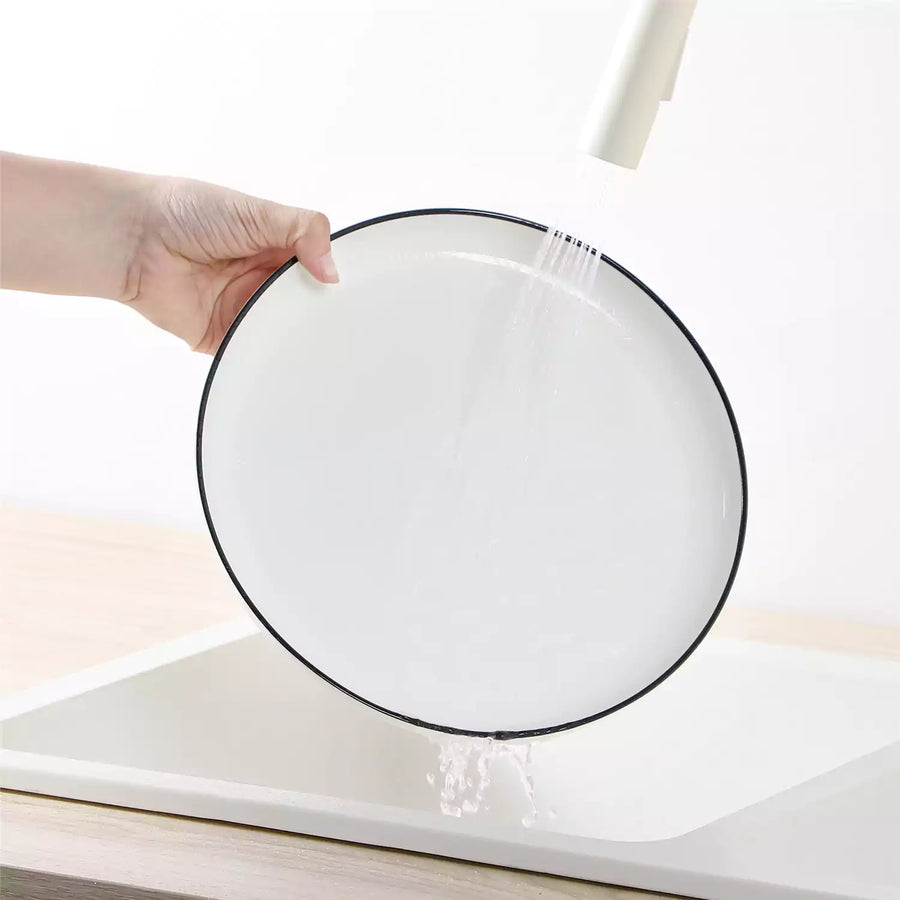
The biggest advantage of high-glaze porcelain is its smooth, vitrified, non-porous surface. In simple terms, the glaze creates a glass-like finish that helps food sit on the surface instead of bonding into it.
That matters most with foods that tend to leave stubborn residue, including:
- lasagna
- baked ziti
- mac and cheese
- scalloped potatoes
- cheesy casseroles
- roasted vegetables with oil and sauce
When these foods bake in rougher or more absorbent materials, sauce and melted dairy can cling more aggressively to the sides and corners. A smooth porcelain interior usually releases residue more easily, especially after the dish has cooled slightly and been rinsed with warm water.
From a practical point of view, this is the real reason many home cooks describe porcelain bakeware as easier to live with. It is not magic. It is surface quality.
Why Burnt Cheese Sticks Less to Glazed Porcelain
Burnt cheese is one of the most difficult kitchen messes because it combines fat, protein, and high heat. Once it dries onto a baking dish, it can feel almost cement-like.
In my experience, the problem is not only the food. It is also the material underneath it.
A high-glaze porcelain baking dish has a more refined interior surface than many textured ceramic or worn nonstick pans. Because the glaze is fused to the body during firing, it creates a hard, sealed finish with fewer places for sticky residue to grip. That does not mean nothing will ever stick, especially with overbaked cheese, but it often means cleanup is noticeably less stubborn.
For anyone who regularly makes baked pasta or casseroles, that difference is not minor. It is the difference between a quick wash after dinner and leaving a dish in the sink until tomorrow.

Porcelain vs Nonstick Bakeware: Which Is the Better Everyday Choice?
Many people reach for nonstick bakeware because they want easier cleanup. That makes sense. But for long-term everyday use, I think high-glaze porcelain is often the more reassuring option.
Here is why.
1. Porcelain does not rely on a delicate surface coating
Traditional nonstick pans depend on a man-made coating layer. Over time, repeated heat, utensils, stacking, and scrubbing can wear that surface down.
High-glaze porcelain is different. Its glossy finish is part of the piece itself, not a temporary coating applied for release. That makes it feel more stable and dependable in a kitchen where dishes are used often and washed often.
2. It feels like a more natural fit for health-conscious kitchens
For readers trying to build healthier kitchen routines, materials matter. Porcelain is widely appreciated for being non-reactive and straightforward to use for baked meals, especially when compared with bakeware that people may worry about scratching, flaking, or replacing too often.
I would not say people need to panic about every nonstick pan they own. But I do think many households feel more comfortable using high-quality porcelain bakeware for regular family meals, especially when they want something simple, durable, and easy to trust.
3. It works better as both bakeware and serveware
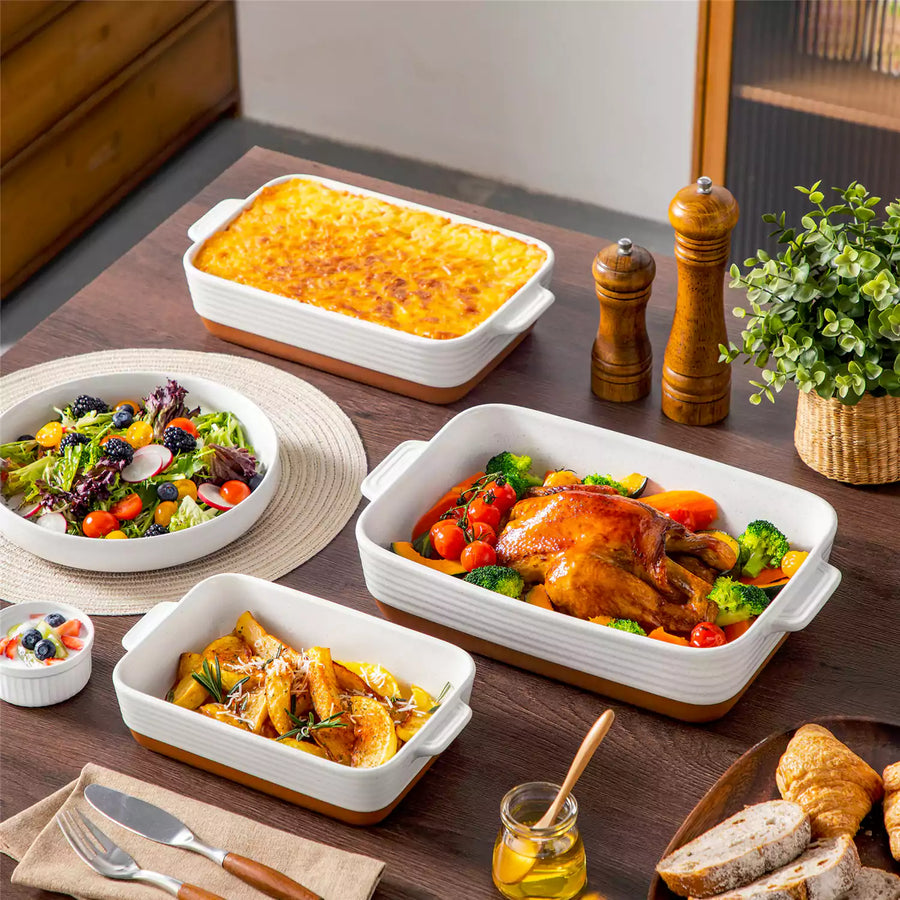
This is where porcelain really separates itself. A porcelain baking dish is not only for cooking. It also looks good on the table.
That matters more than people think. A dish that moves directly from oven to table reduces transfers, cuts down on extra serving pieces, and makes dinner feel more composed with less effort.
Why Porcelain Bakeware Fits Beautiful, Repeatable Home Routines
Good kitchenware should not only survive heat. It should support the way real people actually cook.
Emma Carter’s writing often centers on this idea: that the right bowls, dishes, and serving pieces can make healthy meals easier to prepare, easier to enjoy, and easier to repeat. That perspective fits this topic perfectly. A baking dish is not just a container. It is part of the routine.
When a dish is easy to clean, attractive enough to serve in, and reliable enough to use every week, you are more likely to cook at home again. That may sound small, but I do not think it is. Home routines are built on small frictions and small pleasures. The less resistance there is after dinner, the more sustainable the habit becomes.
This is one reason I personally think oven-to-table porcelain bakeware has such lasting appeal. It supports a kitchen that feels both useful and calm.
From Oven to Table: The Aesthetic Advantage of Porcelain
There is also a visual reason people keep coming back to porcelain.
A high-glaze porcelain baking dish has a clean, quiet look that suits everyday meals and more intentional table settings alike. It does not ask for attention, but it does make food look better. Baked pasta looks richer, roasted vegetables look warmer, and even a simple weeknight casserole feels more considered.
That kind of understated beauty matters in a home. Not because every dinner needs to look styled, but because objects that are both practical and beautiful tend to be the ones we keep reaching for.
In other words, porcelain does not just reduce cleanup. It improves the feeling of the meal.
Is Porcelain Bakeware Better Than Glass for Lasagna and Casseroles?
Glass and porcelain are both popular choices, and both can work well. But they offer slightly different benefits.
Glass bakeware can be useful when you want to see browning along the sides or monitor layered dishes while they bake. Porcelain, on the other hand, often feels better suited to serving, daily handling, and easy cleanup.
If your priority is a dish that:
- looks good on the table
- feels substantial without looking heavy
- handles baked pasta and casseroles well
- is easier to clean after cheese and sauce
then porcelain is often the more satisfying choice.
Personally, for lasagna, baked ziti, gratins, and casserole-style meals, I think porcelain is one of the best all-around materials for home use.

A Better Baking Dish Can Reclaim More Than Sink Space
One of the lines people often repeat in kitchen marketing is that a product “saves time.” Usually that feels exaggerated. Here, I think it is actually true.
When a baking dish cleans up more easily, you use less soaking time, less scrubbing effort, and often fewer extra dishes because the same piece can go straight to the table. Over time, that changes how dinner feels.
A better dish does not make cooking perfect. But it can make the entire process feel smoother, and for many households, that is what matters most.
FAQs About High-Glaze Porcelain Bakeware
Q1: Is high-glaze porcelain bakeware dishwasher-safe?
In many cases, yes. High-glaze porcelain is commonly dishwasher-safe because the surface is non-porous and easy to rinse clean. It is still best to follow the care guidance for the specific product.
Q2: Is Porcelain Bakeware Non-Toxic?
Many home cooks choose porcelain bakeware because it is a non-reactive material and does not depend on a traditional nonstick coating. For people building a simpler and more health-conscious kitchen, that is a meaningful advantage.
Q3: Can I Use Metal Utensils on Porcelain Baking Dishes?
It is better to use wood, silicone, or nylon utensils when possible. Porcelain is durable, but gentler utensils help preserve the glossy surface over time.
Q4: Can Porcelain Baking Dishes Go From Freezer to Oven?
Some porcelain dishes are designed for freezer use, but sudden temperature changes should always be approached carefully. It is best to check the manufacturer’s guidance before moving a dish directly from freezer to oven.
Q5: Is Porcelain or Glass Better for Casseroles?
Both can work, but porcelain is often preferred for oven-to-table presentation, everyday serving, and easier cleanup after baked cheese or sauce-heavy meals.
Conclusion
If you regularly cook lasagna, baked pasta, gratins, or casseroles, an easy-clean porcelain baking dish can make a real difference. The appeal of high-glaze porcelain is not only because that it looks elegant, but also because . It is that it makes a familiar home-cooking ritual feel simpler from beginning to end.
In my opinion, that is what good kitchenware should do. It should reduce friction, support healthier routines, and make everyday meals feel a little more beautiful.

About Emma Carter
Emma Carter is a home dining and kitchenware writer focused on practical tableware, healthy meal routines, and everyday cooking. She explores how the right dishes and serving pieces can simplify meal prep and make daily routines more enjoyable. Her work connects cookware, tableware, and healthy living, helping readers create routines that are both useful and beautiful at home.
Expert writer at MALACASA