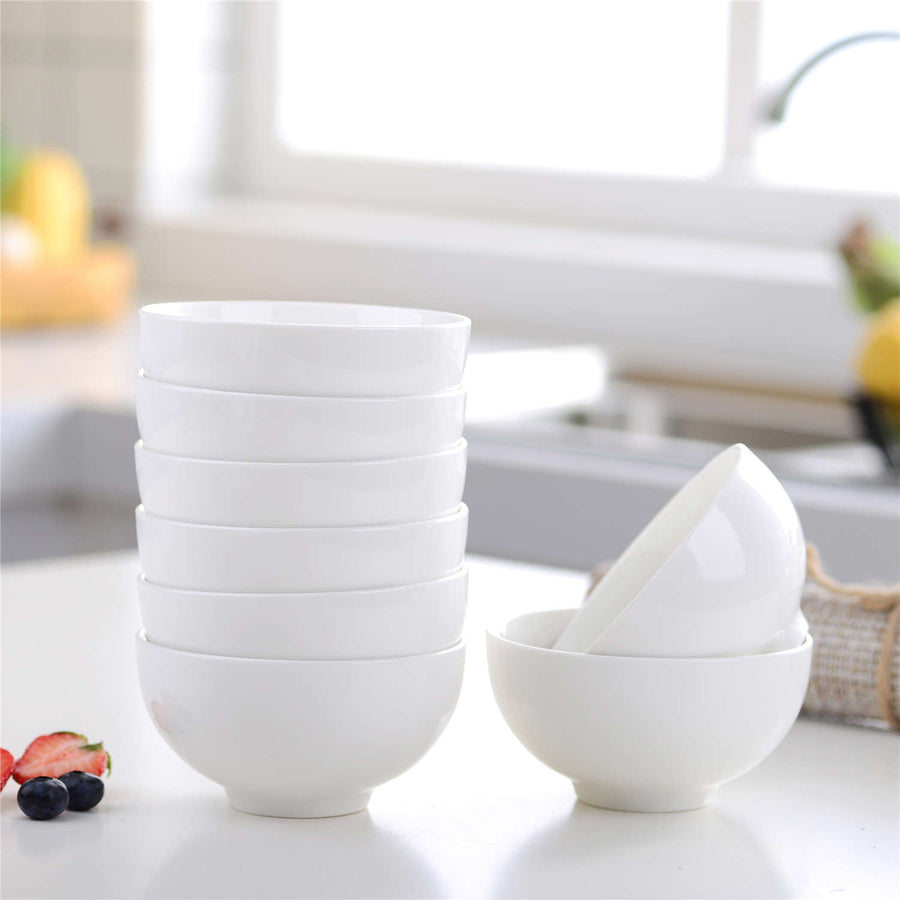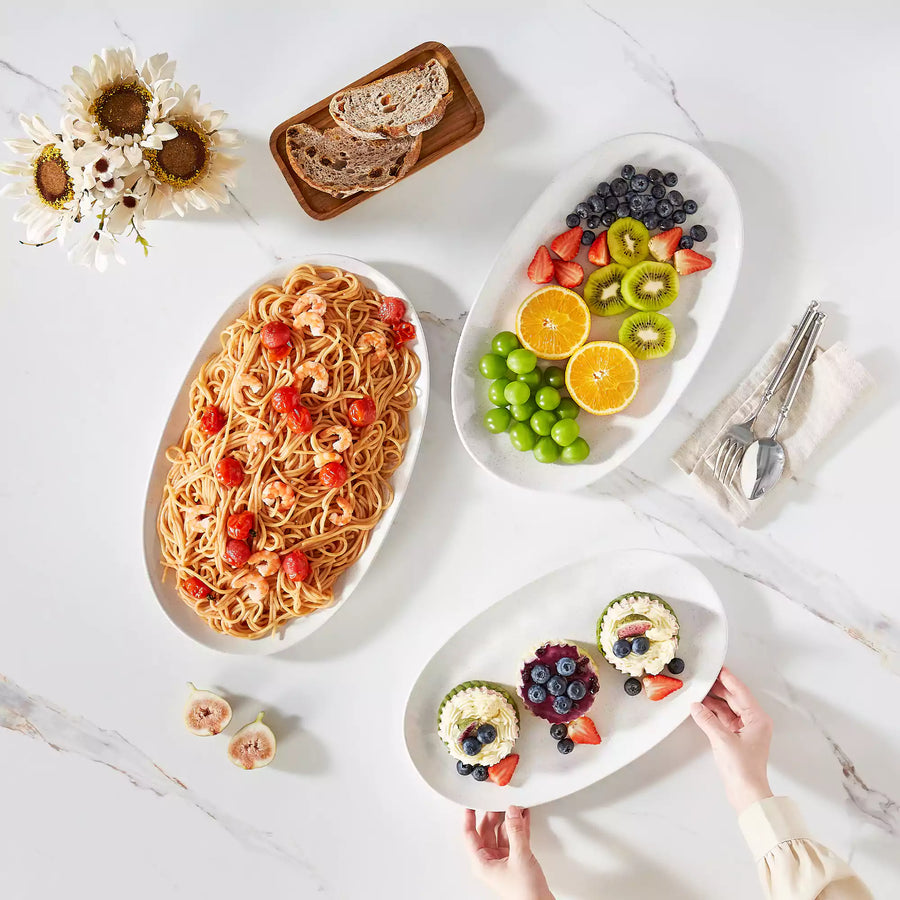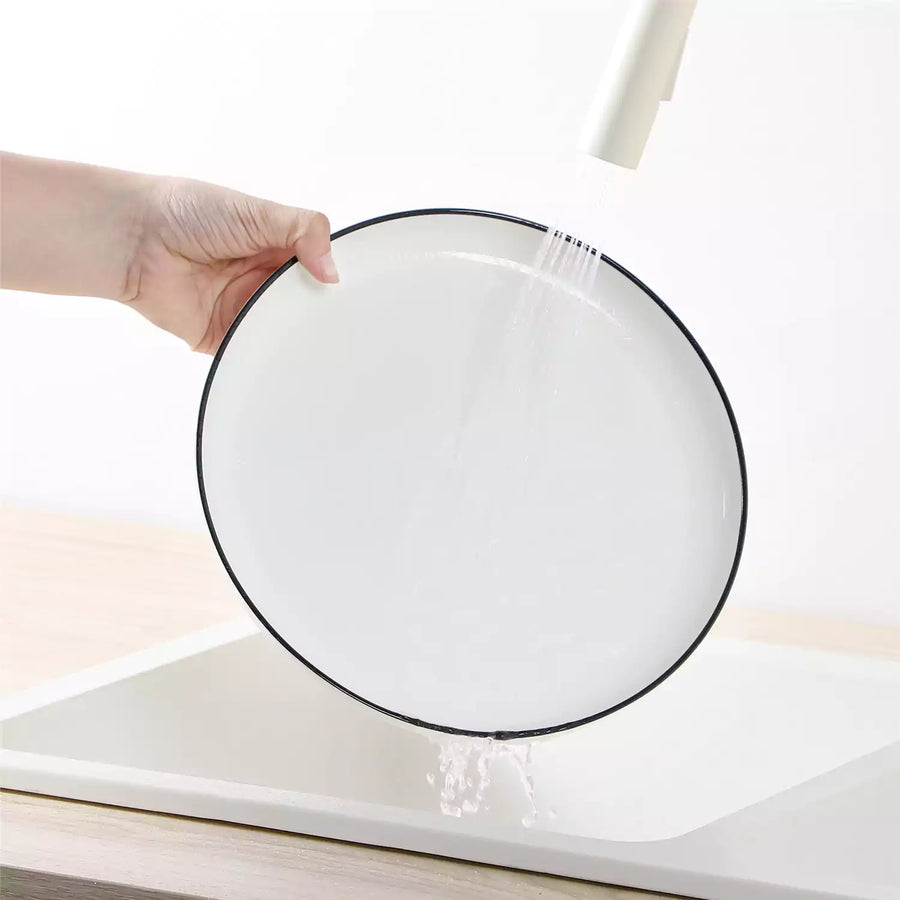


Bone china is a ceramic dinnerware material traditionally made with bone ash, clay, and other minerals. It can be made thin and light while remaining strong enough for everyday meals, and its warm-white body has a soft glow when held to the light. Whether a piece can go in the dishwasher, microwave, or oven depends on that particular product, including its decoration. Here is what to look for and how to keep bone china in good condition.
What Is Bone China Made Of?
Traditional bone china combines calcined animal bone ash with ceramic ingredients such as kaolin and feldspathic minerals. The recipe and firing process create a dense, fine body that can be shaped into lightweight plates, bowls, and teacups. Hold a thin rim against a light and you may see light pass through it.
Lightweight does not mean unbreakable. Bone china is known for strength relative to its thinness, but a hard knock can still chip a rim or crack a plate. Shape, thickness, glaze, and handling matter alongside the material itself.
“Fine bone china” contains bone ash, but “fine china” may not. Some “new bone china” uses mineral alternatives. If you prefer animal-free dinnerware, choose a product explicitly labeled as such.

How Is Bone China Different From Porcelain?
Traditional bone china is a type of porcelain distinguished by the addition of bone ash. It is often thinner, lighter, warmer in color, and more translucent than conventional porcelain dinnerware. Porcelain can feel more substantial and look a crisper white, although designs vary widely in both materials. Neither material is automatically chip-proof or suitable for every appliance. Compare the shape and care instructions of the actual pieces you plan to use, not just the material names.

Can You Use Bone China Every Day?
Yes. A lightweight plate can be comfortable to handle at breakfast, just as a thin teacup can suit an afternoon gathering. For frequent use, choose bowls and plates that fit your usual meals, storage space, and dishwasher racks. Rounded rims and enough space between stacked or washed pieces can help reduce everyday knocks.
Style is a separate choice from material care. A warm-white plate can mix easily with other dinnerware, while a gold-trimmed rim adds detail to a place setting. Our bone china collection includes several shapes with these finishes. Check the individual set’s material description and care instructions before choosing one for your daily routine.

Dishwasher, Microwave, or Oven: Check Each Use Separately
Do not treat one appliance-safe label as approval for the others. Use the instructions supplied with the exact set or piece, especially if it has a decorated rim.
| Use | What to Check | How to Handle the Piece |
| Dishwasher | Is this set labeled dishwasher-safe? | If approved, leave space so pieces cannot strike one another and follow any recommended cycle. |
| Microwave | Is this piece labeled microwave-safe, and does it have metallic decoration? | Use only as directed for that model. If a metal-trimmed piece has no explicit microwave approval, reheat food in another dish. |
| Oven | Does the maker explicitly allow oven use and give a temperature limit? | Follow that limit and avoid sudden temperature changes. If no oven guidance is given, keep the piece out of the oven. |
A metallic-looking line does not by itself tell you how the decoration was made. When a label is missing or instructions conflict, check with the seller rather than relying on a customer review or a general claim about bone china. Never move a chilled piece straight into a hot oven or place a heated dish on a cold, wet surface.
How to Wash and Store Bone China
For hand washing, use warm water, mild dish soap, and a soft cloth or sponge. Soak dried-on food briefly instead of scraping it with an abrasive pad. If the set is dishwasher-safe, keep plates and flatware from rubbing against one another during the cycle.
Let pieces dry before stacking. For long-term storage, put a soft divider between plates and lift them from the stack instead of sliding one across another. These small habits protect thin rims and decorated surfaces without requiring you to save bone china only for special occasions.
Bone China Use and Care FAQs
Q1. Can Bone China Go in the Freezer?
Only if the maker specifically permits freezer use for that piece. Bone china should not be assumed freezer-safe because it can hold hot food or go in a dishwasher. Avoid sudden moves between cold and hot environments, which can stress ceramic dinnerware.
Q2. Can You Serve Hot Tea in a Bone China Cup?
Yes, a sound bone china cup intended for drinks can hold hot tea. Avoid abrupt temperature changes, particularly with an older cup whose condition is uncertain. Follow any special instructions for its decoration or handle.
Q3. What Are the Gray Lines on a Bone China Plate?
Gray lines may be metal marks left by flatware rather than cracks. Gently try a nonabrasive cleaner approved for glazed dinnerware. If a line catches a fingernail or appears to run through the ceramic body, set the piece aside until you can assess the damage.
Q4. Should You Keep Using a Chipped Bone China Plate?
Set a chipped plate aside from food service. Its edge may be sharp and difficult to clean, and another knock can make the damage worse. You can keep a sentimental piece for display instead of serving food on it.
Q5. How Can You Tell Whether a Piece Is Bone China?
Start with its maker’s mark, original packaging, or product description. A thin edge that glows against a light is a helpful visual clue, but translucency or a ringing sound alone cannot prove a piece’s recipe or bone ash content.

Find a Set That Fits Your Routine
Before choosing a design, think about how you will use the dishes most often. If you regularly reheat food and use a dishwasher, confirm that the exact set allows both. If you prefer a decorative rim, check whether its finish changes those instructions. Then choose a shape and style you will enjoy using every day.