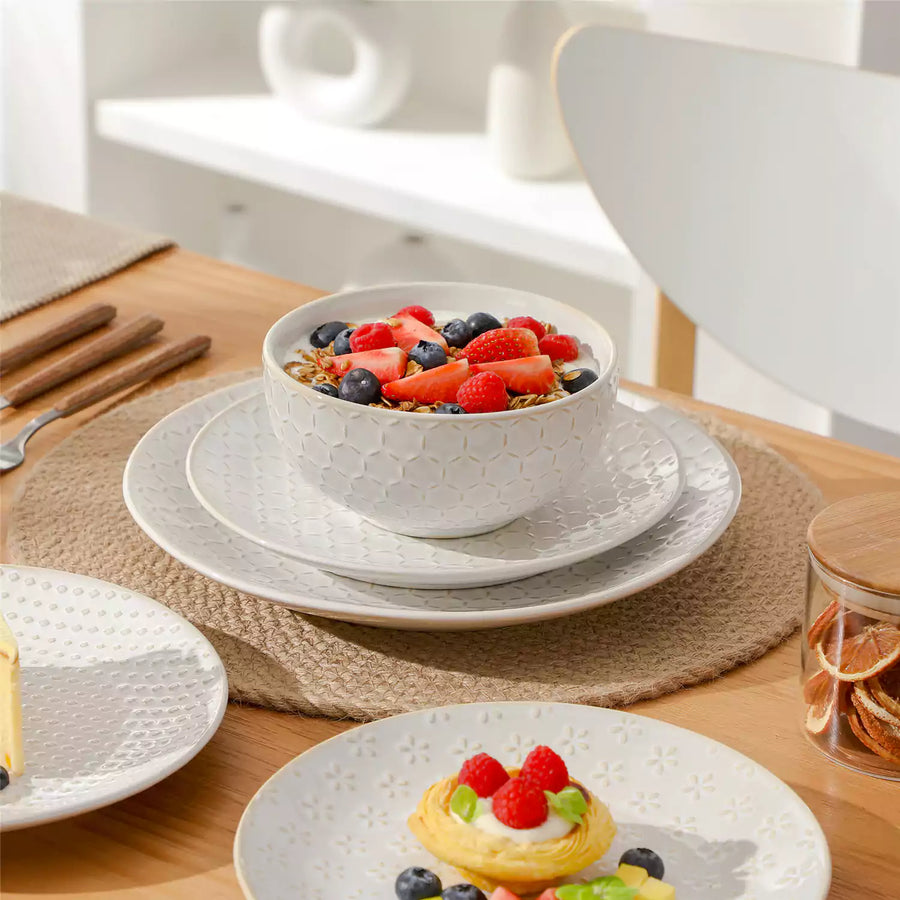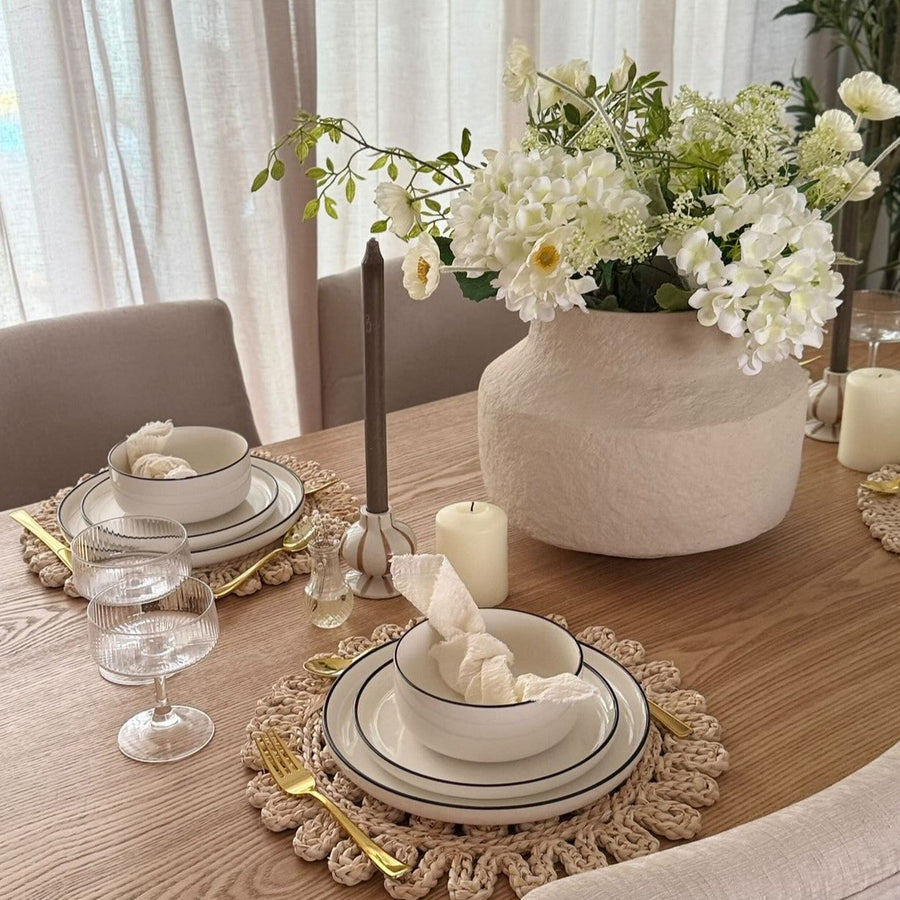


There is a noticeable difference between desserts served at home and those presented in restaurants, even when the recipe is identical. The secret is not often more sugar, better chocolate, or exotic ingredients. Rather, the transformation lies in presentation. Professional pastry chefs know that desserts are as much about the eye as they are about the mouth. The manner in which a dessert is served can transform a plain brownie or tart into something that seems luxurious, deliberate, and decadent.
To style a dessert platter like a restaurant, it is important to know the visual techniques of framing, negative space, balance, and texture. It also involves selecting appropriate dessert plates that serve as a canvas, not a distraction. White dessert dishes, particularly porcelain, are the gold standard in professional kitchens since they enable color, movement of sauces, and structure to shine. Even the most basic desserts can appear elegant and expensive with the appropriate porcelain dish and considerate plating methods.
This blog discusses the process of replicating the presentation of desserts at the restaurant level at home, including plate choice, sauce technique, balance, texture stratification, and clean finishes. These principles will make your dessert table rival any fine dining experience.

Selecting the Ideal White Porcelain Canvas for Color Contrast
The foundation of any restaurant-quality dessert presentation is the plate itself. Professional chefs use plates as frames, and they choose shapes and finishes that emphasize the dessert and do not compete with it. White dessert plates are universally popular as they provide the greatest contrast. Dark chocolate, bright berries, golden pastry, and colorful sauces are all more vivid on a white background.
Porcelain is the material used in fine dining, not without a reason. The surface of a porcelain dish is smooth and refined and reflects light in a subtle way, which makes desserts look fresher and more vivid. Porcelain does not need to be covered with patterns like those on heavier stoneware or patterned plates, so the food can be the center of attention. This is especially significant when serving complex desserts or minimalist compositions in which negative space is a significant factor.
Form is also more important than most home cooks think. Although round plates are conventional, square dinnerware sets have gained popularity in contemporary restaurants due to their ability to add structure and visual appeal. The square plate forms natural lines and corners that assist in framing the dessert, making it look more intentional and curated. The Flora Collection is a perfect example of this idea. Its square form and gently wavy edges give it an artistic frame that is elevated and modern. This unique design immediately makes desserts look more sophisticated than they would on regular round dishes, which is exactly in line with the aesthetics of restaurant plating.

Applying Sauces and Purees for Artistic Visual Flow
The deliberate use of sauces and purees is one of the most familiar aspects of restaurant dessert plating. Instead of pouring the sauces anywhere, they are placed with accuracy to direct the eye through the plate. This method turns sauces into visual design elements instead of accompaniments.
Squeezing bottles or spoons are frequently used by chefs to make dots, swooshes, or brushstroke-like movements on white dessert plates. These movements add flow and rhythm to the plate, making it dynamic instead of static. A chocolate swipe of ganache under a piece of cake or a berry coulis swirled around a panna cotta gives the composition depth and motion.
The negative space is as significant as the sauce itself. Leaving spaces on the porcelain dish uncovered allows the design to breathe without making the plate look cluttered. Sauces may be placed at the edges or corners of the plate on square dinnerware sets, which adds structure and elegance. The sharpness of the square plates and the flowing lines of the sauce make a contrast that is usually observed in high-end restaurants.
Sauces are more vivid and shiny when served in high-quality white porcelain, which makes the dessert look more attractive. That is why cooks hardly serve complex desserts on colored or patterned dishes. The whiteness of white keeps the focus where it is.
The Rule of Thirds in Balancing Ingredients
Balance is a fundamental concept in visual design, and it is especially important in the presentation of desserts. The rule of thirds is frequently used in restaurants to create harmony on the plate. Rather than placing the dessert in the middle, the chefs placed the main elements slightly off-center, which makes the layout more dynamic and interesting.
On dessert plates, the main component, such as a cake slice or tart, occupies one-third of the plate, while sauces, garnishes, or secondary elements fill the remaining space without overcrowding it. This method produces a deliberate imbalance that is contemporary and sophisticated. This method works especially well with square plates, since the edges naturally guide placement and spacing.
The rule of thirds also helps avoid overloading the plate. Restaurants know that restraint is a sign of confidence. The open spaces of the porcelain dish allow each element to shine on its own while forming a unified whole. This is among the reasons why the finest dinner plates in professional kitchens are usually plain in design but well selected in shape and size.

This balance is beautifully achieved by the square shape of the Flora Collection. Its ratios promote considered positioning and enable desserts to look framed instead of scattered, which supports a sophisticated, luxurious appearance.
Garnishing with Edible Flowers and Textures
The texture provides visual and sensory complexity and interest to the plating of desserts. Desserts in restaurants are seldom served in one texture. Rather, they combine smooth, crunchy, creamy, and crisp to provide contrast.
Garnishes like crushed nuts, cookie crumbs, sugar shards, or small tuile pieces add structure and height. Edible flowers and micro herbs provide color and softness, which makes the dessert feel fresh and purposeful. These garnishes are used to complement the composition when they are used wisely.
Textured garnishes are best served on white dessert plates since they bring out the finer details. The roughness of crumbs or petals is contrasted with the smooth surface of a porcelain dish, which makes each of the elements more prominent. Garnishes can also be arranged or grouped in aesthetically pleasing patterns on square dinnerware sets, which supports the design language of modern plating.
The key is moderation. Garnishes are used sparingly in restaurants, and each element is justified. Textures, when applied properly, will make the dessert rise without being too heavy, and a simple presentation will become something that was well thought out.
Maintaining Clean Edges for a Polished Presentation
Cleanliness is perhaps the most neglected part of restaurant-style dessert plating. However beautiful the design, smudges, fingerprints, or sauce drops instantly shatter the illusion of professionalism. Chefs are careful when wiping the edges of plates and polishing the final touches before a dish comes out of the kitchen.
White dessert plates are particularly sensitive to clean edges, as flaws are more noticeable. A clean porcelain dish is an indicator of quality, care, and attention to detail. This last step usually divides home plating and restaurant presentation.
Cleaning edges with plates of a specific shape, e.g., square dinnerware sets, is easier and more effective. The sharp edges of square plates underline the accuracy, which supports the notion that the dessert has been designed deliberately. The wavy edges of the Flora Collection provide a touch of artistry without losing the clean, controlled frame, which enables desserts to appear elegant without being stiff.
This last polish is not negotiable in the workplace, and the same attitude at home will immediately take your dessert presentation to the next level.
Conclusion
It is not the complexity of styling a dessert platter like a restaurant, but rather the intent. Even the most basic desserts can be luxurious by selecting the appropriate dessert plates, using the right amount of sauces, balancing the elements, layering the textures, and keeping the cleanliness impeccable. High-quality white porcelain dessert plates are the foundation of professional plating, as they do not distract but instead emphasize color, contrast, and composition.
Unique forms, including those of square dinnerware sets, also contribute to presentation by placing desserts in a contemporary, organized manner. The Flora Collection is a perfect example of how careful plate design can take plating to the next level, providing a distinctive square shape with artistic edges that are both modern and sophisticated. These plates, combined with professional plating methods, make ordinary desserts look like a work of art.
Finally, the art of presenting desserts is all about respecting the food and the experience. The right porcelain dish, along with an emphasis on visual balance and clarity, can make your dessert table as elegant and confident as the finest restaurants in the world.