

Combining and contrasting plate sets is one of the most flexible and creative methods of making a beautiful table setting, and it is an art. Whether it is a small family dinner or a celebratory dinner with friends, the correct set of dinner plates, salad plates, and dessert plates can instantly change your dining experience. The secret is in plate layering- the art of making a stack of plates look good, with style, functionality, and creativity. By paying attention to colors, textures, and proportions, you can make a table that is personal and dynamic.
In this blog, we will see how to approach plate layering in a step-by-step process, starting with the right base to some bold combinations that will impress your guests.
The Foundation: Selecting the Ideal Dinner Plates as Your Foundation
Your dinner plates are the foundation of the table setting. They establish the mood of the entire design and give the background on which all other things are constructed. Dinner plates must be practical and attractive, and they must be big enough to serve the main dish and hold your stacked layers.
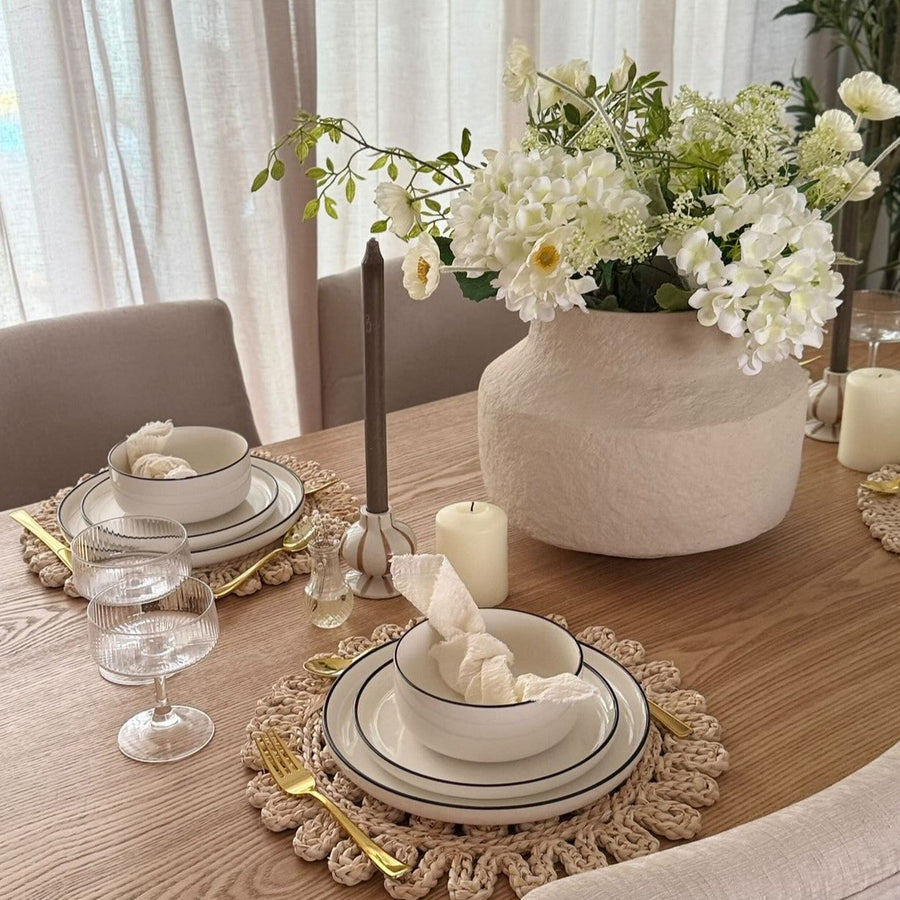
If you are beginning with a blank slate, think about traditional white porcelain or bone china dinner plates. Their neutral surface makes them infinitely versatile, and you can add in more colorful or textured salad plates and dessert plates later on. To add a contemporary touch, you can choose stoneware in natural colors or matte finishes that add depth and warmth.
Dinner plates must be harmonious with the atmosphere of your event. Sleek, minimalist plates are appropriate to modern dinners, whereas ornate or patterned plates are more suitable for formal events. Whatever you decide, consider the dinner plate as your base--it should not be in competition with the other layers you will add.

Adding Dimension: Using Salad Plates to Add Color or Texture
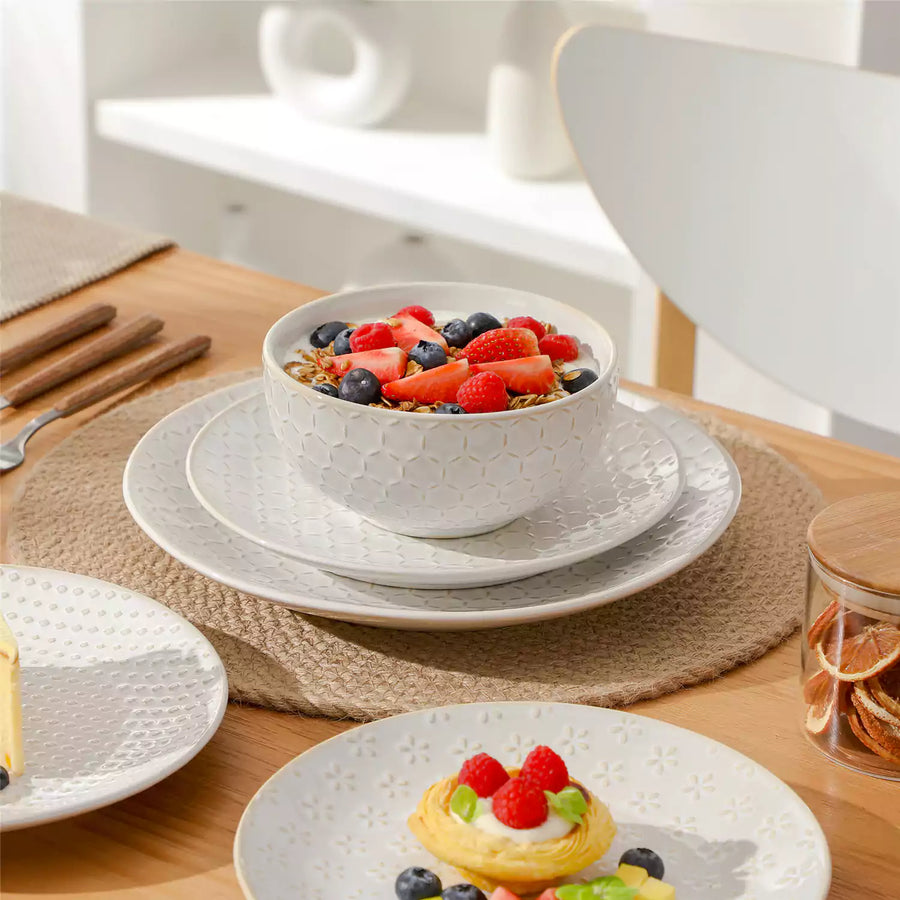
After you have your dinner plate foundation, the next layer is the salad plate, which is a design opportunity that is often missed. Salad plates are smaller than dinner plates and fit on top of the base, providing you with the opportunity to add some personality to your table setting.
Salad plates are the place where you can be more adventurous with the design, color, or texture. As an example, when your dinner plates are plain and white, use patterned or colored salad plates to make a contrast. Instead, you can use textured finishes such as hammered ceramics, rustic stoneware, or plates with embossed details to add visual interest without overpowering the table.
The other benefit of salad plates is that they can be used to serve appetizers or salads, small portions, brunch, or tapas-style dishes. They are so versatile that you can invest in a few different sets of salad plates and have endless combinations to mix and match depending on the occasion.
The Finishing Touch: Why Dessert Plates Are Your Secret Weapon to Style
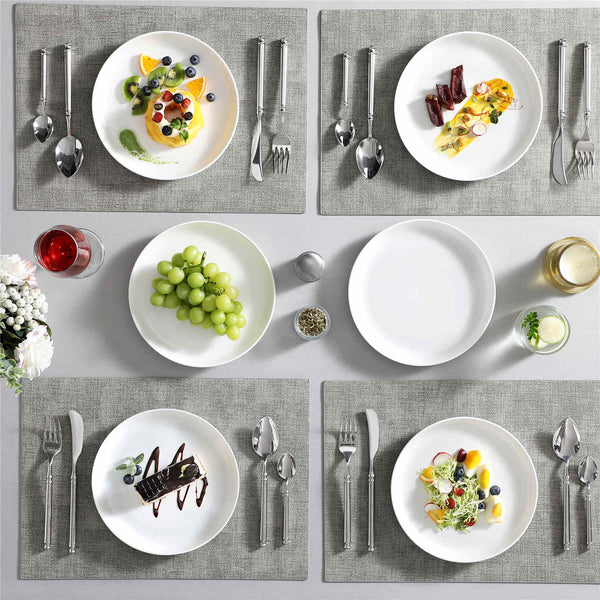
Dessert plates can be the smallest in the stack, but they can have the most significant style impact. When carefully selected, they serve as the final touch that ties your plate layering together. Dessert plates are also cheaper to buy in sets, so they are a good choice to play around with more dramatic styles.
As an example, a metallic-rimmed dessert plate can immediately add glamour to a neutral dinner plate base, or floral or geometric patterns can add a playful, seasonal touch. Dessert plates also provide an opportunity to emphasize themes--a spring brunch could be served on pastel dessert plates over earthy stoneware; a holiday party could be served on jewel-toned or gold-accented plates.
Since dessert plates are frequently changed when the meal shifts to sweet dishes, they also provide a feeling of reveal and surprise to your guests; in other words, they are your little secret to making your plate sets feel special and memorable.
Scale and Proportion: A Basic Guide to Making Plate Stacks Look Good
Although creativity is promoted, balance is also a key to successful plate layering. Being mindful of scale and proportion will help you create a stack that is not only functional but also aesthetically pleasing.
The trick is to have a natural progression of the most extensive base (the dinner plate) to the smallest (the dessert plate). All plates should be visible, and the colors, patterns, and textures of each layer should be admired. When the salad plate covers the dinner plate entirely, or the dessert plate is too small to fit the stack, the proportions will be wrong.
As a general rule:
- Dinner plates: 10-12 inches.
- Salad plates: 7-9 inches.
- Dessert plates: 6-7 inches.
This gradation of size forms a pleasing cascade and leaves each plate space to shine. Adhering to these ratios also makes it functional, as guests will not feel embarrassed trying to balance large salad plates on top of small dinner plates.

Beyond the Rules: Creative Plate Layering Ideas to Use at Your Next Dinner Party
After you have learned the basics of plate sets, it is time to allow creativity to reign. The fun of mixing and matching is that there are no hard and fast rules, just chances to show your own style. Here are some of the creative ideas to use at your next dinner party:
- Materials: Mix glossy porcelain dinner plates with matte stoneware salad plates.
- Mix and Match: Place a striped salad plate on top of a floral dinner plate to create a fun, eclectic style.
- Seasonal Swaps: Swap out dessert plates with seasonal designs, such as pumpkins in fall, snowflakes in winter, or flowers in spring.
- Monochrome Magic: Use one color family but mix the shades- navy dinner plates, sky-blue salad plates, and pale aqua dessert plates.
- Rustic Meets Elegant: Combine rustic, hand-thrown stoneware dinner plates with elegant gold-rimmed dessert plates to create a balance between casual and chic.
These combinations not only make your table look interesting but also enable you to customize each event to the atmosphere you desire. So, be creative and try out these combinations in your style and preferences.
The Art of Plate Layering
Combining and contrasting plate sets is not only a design decision but a means of adding creativity, personality, and warmth to your dining table. You can learn how to layer plates by beginning with versatile dinner plates, adding personality with salad plates, and finishing with stylish dessert plates. Focusing on proportion will help you achieve balance, and playing with colors, textures, and patterns will make your table dynamic and engaging.
Whether you prefer classic sophistication or eclectic flair, carefully layered dishes can turn ordinary meals into a curated experience. It is not just about beauty, but about creating an atmosphere, a topic of discussion, and making every meal a special event. Start experimenting with your own plate combinations today and see how a simple table setting can transform the whole dining experience.