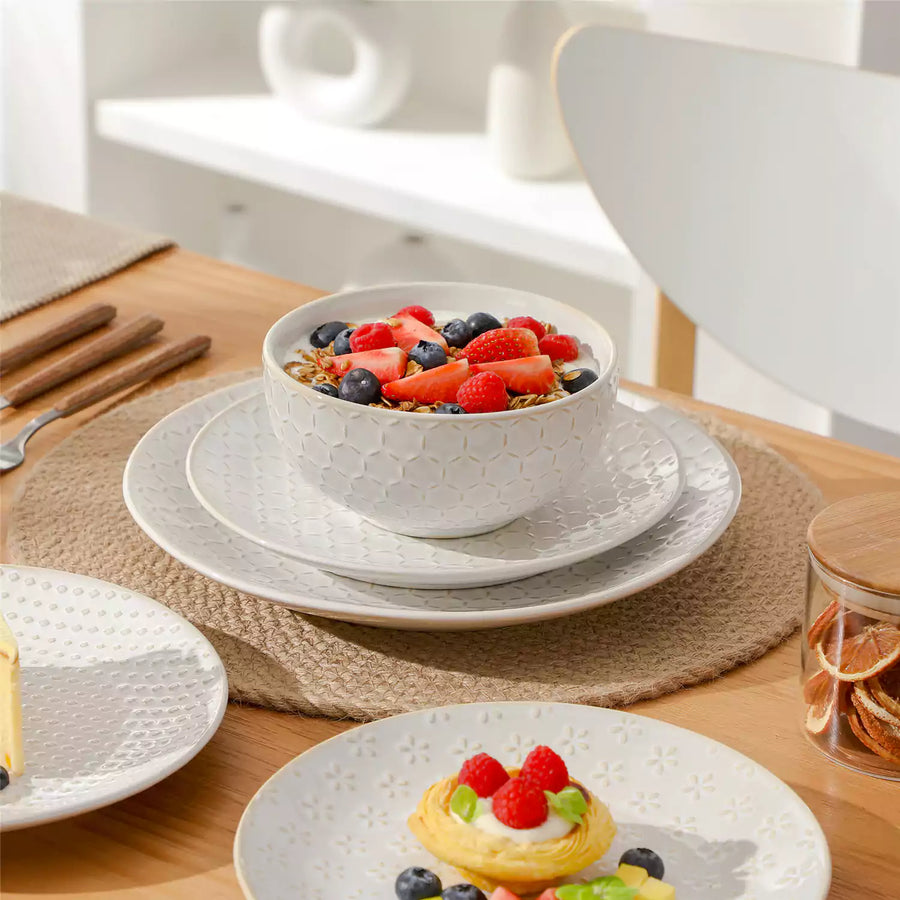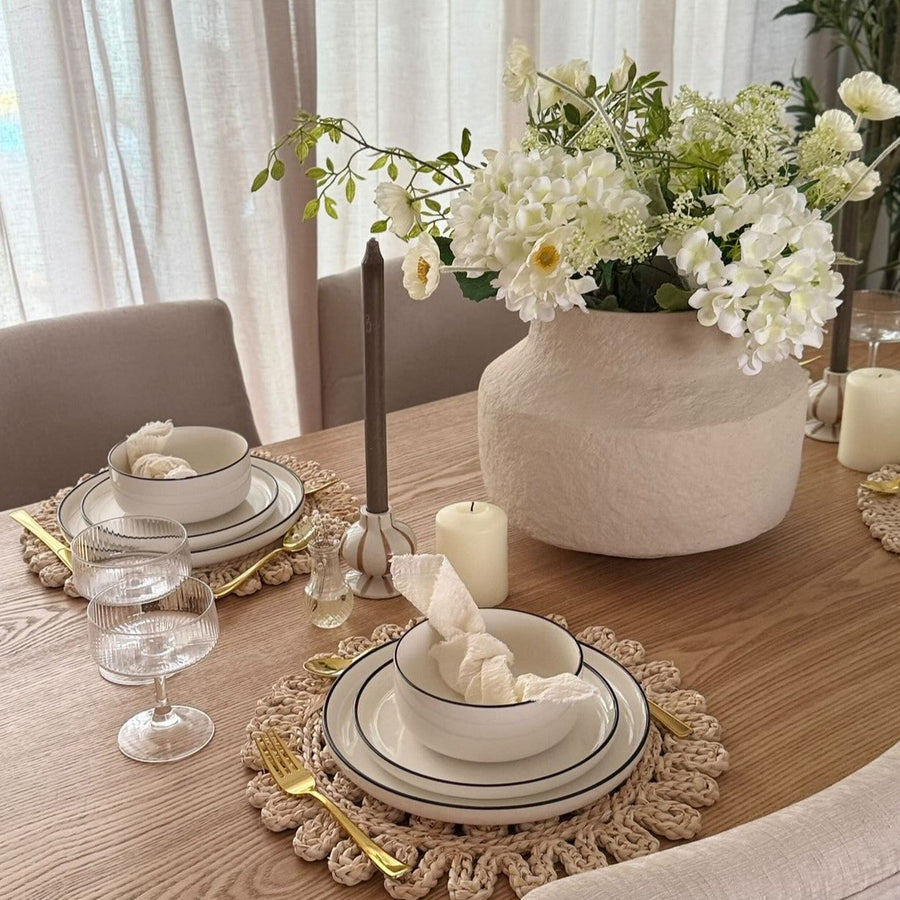


Dinnerware can be simple, until you go to grab a small plate and cannot tell whether it is a salad or dessert plate. Although the salad plate and the dessert plate are of the same size and have a general look, they have different purposes and adhere to certain design principles. Whether you are preparing a formal table or just choosing the appropriate dish to eat next, knowing the minor yet significant differences between salad and dessert plates can make your dining experience even better. So, what are the main differences between these two kinds of plates?

The Rules of Size and Shape of Each Plate
The size and shape of a plate are some of the initial clues as to whether it is a salad or dessert plate. A salad plate is usually 7 to 8.5 inches in diameter. This is a convenient size to cut up leafy greens, vegetables, or appetizers. Salad plates are made to fit the bulkier and occasionally clumsily piled-up character of salads, which are usually a combination of textures and ingredients.
Conversely, a dessert plate is usually 6.5 to 8 inches. Although the range slightly overlaps with salad plates, dessert plates are usually flatter and less deep in surface area. This is not by mistake because desserts such as cakes, tarts or pastries do not need the mixing or tossing space. The flatness facilitates delicate presentation and allows easier slicing through layers of cake or holding a scoop of ice cream without spilling.
The bottom line: Both plates are small, but salad plates are a bit larger and deeper, whereas dessert plates are usually more compact and flat. This minor variation can have a great impact on presentation and functionality.
Why Salad Plates Have Higher Rims
Look more closely at most salad plates, and you will see something that many people do not notice: raised rims. This design is not only ornamental, but it is very practical. The elevated edge of a salad plate assists in holding ingredients that can easily move or slide off, particularly when mixing mixed greens with vinaigrette or holding slick toppings such as cherry tomatoes, nuts, or croutons.
The higher rims also make the salad plate look sturdier and thus more appropriate to carry heavier or more liquid-based salads, including those that incorporate dressings, oils, or fruits with high water content. In the case of Caesar salads, beet salads, or mixtures based on couscous, the rim will avoid spillage and will keep the meal well on the plate.
Conversely, dessert plates are typically made without a sharp rim. They are more concerned with clean lines and little interference with flat presentation. The design of the salad plate, thus, indicates a compromise between utility and confinement, which are less significant in dessert courses.
The Flatness Advantage in Desserts
One of the most important design aspects of dessert plates is that they are flat. This flatness is not just an aesthetic choice, but it serves the practical purpose of holding a broad range of desserts. As an example, a slice of cheesecake, chocolate tart, or layered sponge cake can be served on a flat surface, which is stable to cut and serve. Even softer desserts such as flan or panna cotta can use a level base so that toppings, syrups or garnishes can be spread evenly.
The flatness of a white dessert plate, in particular, also highlights the contrast in presentation. A dark chocolate brownie stands out on a clean white background. A raspberry coulis poured over panna cotta is more visually striking without a rim or a curve to interrupt it.

The other advantage of the flat structure is that the dessert plates are easier to stack and store, particularly when space is scarce or when one is preparing a number of plates in advance of a large party. Whether it is a bakery or a fine dining restaurant, the form-follows-function design of dessert plates makes them a must-have for serving desserts in a stylish and mess-free manner.
Finding the Difference in a Complete Table Setting
When you are confronted with a formal table setting or a well-laid buffet, it can be difficult to distinguish between salad plates and dessert plates unless you know what to look out for. The situation under which the plates are utilized is a significant factor.
When using a multi-course arrangement, the salad plate is usually positioned to the left of the main plate or on top of the dinner plate in case the salad is served as the first course. It can be served with greens already on it or awaiting a salad course. The elevated rim and a bit bigger size give you a hint.
Dessert plates, however, tend to come later in the meal. They can be served along with the dessert or placed in advance at the top of the dinner plate section, slightly above the forks and knives, with a dessert spoon or fork. When the plate is smaller, flatter, and accompanied by dessert utensils, it is probably a dessert plate.
Even in buffet-style or casual dining, it may be possible to differentiate between white dessert plates and salad plates by noting their position in relation to food items. Salad plates are probably plates that are next to the salad bowl or dressing station. Those near the cake stand or cookie platter? Dessert plates.

Is it possible to use a Dessert Plate to serve Salads?
The practical question now arises: is it possible to use a dessert plate with salads? The quick response is yes, but it depends on the salad. A dessert plate can be used in a pinch, but only with a light, dry salad, such as a small arugula mix with lemon zest or a couple of cucumber slices. Nevertheless, you might have problems with portion control challenges when using smaller dessert plates.
The true test comes when it comes to hearty salads or salads with a variety of ingredients, like Cobb salads, Greek salads, or anything with juicy dressings. In such situations, the lack of a rim and the smaller surface area of a dessert plate may cause messes and inconvenience during the meal.
Likewise, when you have guests or are attempting to uphold a formal or semi-formal level of dining, keeping salad plates to serve greens and dessert plates to serve sweets will assist in keeping both aesthetic and practical order. Every plate is meant to complement the food it serves- and although they may be swapped in informal situations, the best dining experience is usually achieved when the right tool is used to do the job.
Conclusion
Although they may appear to be interchangeable, salad plates and dessert plates have distinct design elements that are specific to their purposes. Salad plates are a bit larger, deeper, and have higher rims to hold active, frequently wet or heaped ingredients. Dessert plates, particularly white dessert plates, are inclined towards simplicity, flatness, and classy presentation of sweet dishes.
Being aware of the size, shape, and purpose of each plate will assist in not only creating a sophisticated table but also enhancing the pleasure of your meal. Therefore, the next time you are setting your dinnerware or buying new sets, pay these smaller plates the attention they require. It is the small things that can make a huge difference in the dining experience, such as selecting the correct salad plate or dessert plate.