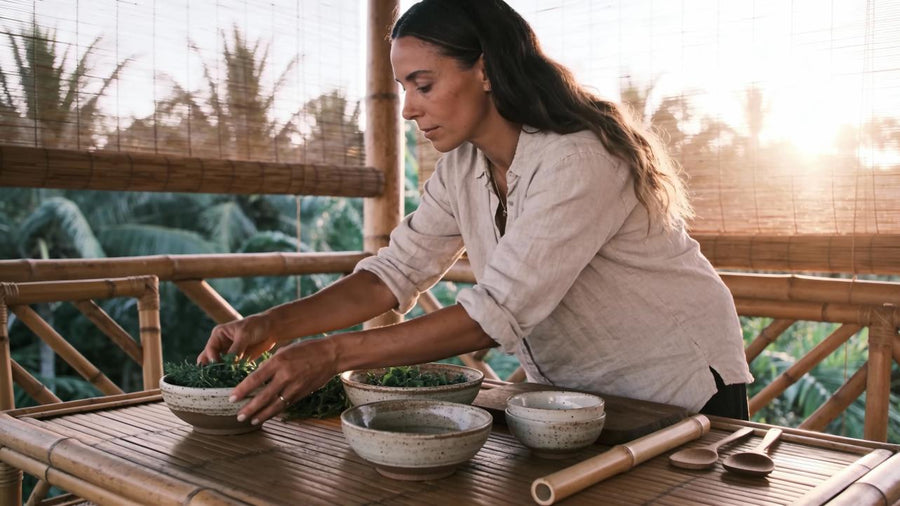



Hydroponic greenery belongs on the table just as much as candles, linen, and a favorite serving bowl. When you bring plants out of plastic nursery pots and into considered ceramic vessels, they stop feeling like chores and start behaving like sculptural companions to your everyday life.
As both a tabletop stylist and a committed hydroponic tinkerer, I have learned that the right ceramic bowl can be a superb hydroponic container, not just a pretty face. Done well, it offers a stable, clean, water-wise home for roots while quietly elevating every surface it touches.
This guide walks through how to choose and use ceramic bowls for hydroponic plants, grounded in research on hydroponics, clay aggregates, and ceramic materials, and tempered by real-world, kitchen-counter experience.
Hydroponics in a Bowl: Why It Works
Hydroponics is simply growing plants without soil, using water enriched with mineral nutrients. Research work from MIT describes hydroponics as a way to produce food where soil is poor or space is tight, from rooftops to dense urban neighborhoods. Without soil, roots no longer have to spend energy searching for nutrients or competing with weeds, which is one reason hydroponic systems often deliver higher, more stable yields than traditional beds.
For the home, the appeal is more visceral. Soil-free plants mean less mess on the table, fewer fungus gnats hovering over your espresso, and a root zone you can actually design. Instead of hiding plastic pots in cachepots, you can place the hydroponic system itself in a beautiful bowl that holds its own among ceramics, glassware, and serveware.
Hydroponics also pairs naturally with ceramics. Studies and field projects reported by international organizations such as the UN Food and Agriculture Organization have highlighted clay-based containers and tanks as core components in simplified, low-cost hydroponic systems. Clay-based materials help manage water and nutrients efficiently, and they are durable enough for repeated use, all of which translates elegantly into a home-scale ceramic bowl.

Ceramic, Clay, and LECA: Understanding the Materials
Before choosing a bowl, it helps to distinguish three layers in your setup: the nutrient solution, the growing medium that cradles the roots, and the outer vessel. All three matter, but the vessel is your visual anchor.
Expanded clay pebbles, often sold as LECA or Hydroton, are at the heart of many home hydroponic systems. Articles from growers and horticultural suppliers describe these as lightweight, kiln-expanded clay balls. They are porous, pH neutral, structurally stable, and largely inert. Their pores and the gaps between them hold a film of water and nutrients while leaving plenty of air around roots. That combination of moisture and oxygen is exactly what many indoor plants crave, and it sharply reduces the risk of root rot.
Several sources, including horticulture blogs and hydroponic retailers, agree on a few key benefits of these clay balls. They provide excellent drainage, strong root aeration, and good structural support. They resist pests and soil-borne diseases because there is no organic matter for bugs or fungi to feed on. They do not decompose, and they can be rinsed, disinfected, and reused for many growing cycles, making them an environmentally sensible choice.
Ceramic bowls sit around this medium like a gallery frame. High-fired, glazed ceramics behave quite differently from the unglazed clay pots many of us started with. Gardeners in community discussions have noted that traditional clay pots tend to absorb minerals from potting soil and nutrient solutions. Over time, they show white crusts and stains on the exterior, and the porous sides can harbor fungus, white mold, or powdery mildew. That patina can be charming outdoors but less welcome on the dining table.
By contrast, research on ceramic cladding in architecture underscores that high-fired ceramic surfaces become chemically inert and non-absorptive after sintering. They resist moisture, temperature fluctuations, and surface contamination, and they can be cleaned easily without harsh chemicals. Some industrial ceramics even use anti-microbial glazes to discourage bacterial growth. A well-made, food-safe glazed bowl brings those same qualities down to home scale: it stays clean, does not wick minerals or odors, and provides a stable, neutral shell for your miniature hydroponic garden.

What Makes a Ceramic Bowl Hydroponic-Friendly?
Not every pretty bowl belongs in your hydroponic rotation. When I evaluate a vessel, I look at it the way I would a piece of functional dinnerware: it must balance beauty, performance, and maintenance.
Material and Glaze Quality
Start with the fundamentals. A good hydroponic bowl is watertight, non-porous, and finished with a stable glaze. Ceramic vases recommended by hydroponic guides are praised for being sturdy and non-porous, regulating temperature better than plastic or glass and creating a more stable root environment. Those same traits are what you want at table height.
In practice, this means choosing bowls that are fully glazed on the interior, without visible pinholes or crackling where water will sit for weeks. I like to fill a new candidate with plain water and let it sit on a paper towel for a day before committing. If there is any seepage or damp shadow beneath the bowl, it goes back to displaying fruit, not hydroponic plants.
Glaze quality also matters for hygiene. Research on ceramic building facades notes that sintered ceramics are chemically inert and can even be coated with specialized anti-microbial glazes in high-hygiene environments. At home, you likely will not specify hospital-grade finishes, but choosing bowls from reputable tableware makers who advertise food-safe, lead-free glazes is a sensible proxy for a clean, stable surface.
Shape, Depth, and Root Space
Hydroponic roots want room to wander. Articles on LECA recommend giving roots plenty of space to stretch through the clay balls in search of moisture. Bowls that are too shallow limit this exploration and dry out fast; extremely tall, narrow vessels, on the other hand, can make planting and maintenance awkward.
I look for a proportion that feels like a generous soup or salad bowl: wide enough that roots can spread laterally, and deep enough for a decent layer of LECA plus a low water reservoir. A slightly flared profile is forgiving when you are rinsing or rearranging pebbles. If you plan to grow trailing plants, a lower, wider bowl lets foliage spill gracefully over the rim; for upright herbs or leafy greens, a deeper bowl provides better root anchoring.
Guides to ceramic vases for hydroponics suggest choosing vessels that are tall enough to hold nutrient solution while giving roots room to grow without being overly narrow. That translates well to bowls: avoid tight bottlenecks or tiny openings that make it difficult to monitor roots or scoop out clay balls for cleaning.
Color, Light, and Root Health
Color is more than just an aesthetic decision. Ceramic vases articles warn against fully opaque planters that give you no way to inspect root health or water levels. With bowls, you can sidestep that problem by designing the system so maintenance happens from above. Still, the finish will influence light and warmth around your plant.
Dark, glossy bowls will absorb more warmth in a sunny window and can encourage algae growth where light hits water. Very pale or matte glazes bounce light around and keep the scene visually calm. To keep things practical, I let the plant and location guide me. In bright south-facing spots, I prefer light neutrals or muted colors. In softer light, deeper jewel tones feel luxurious without overheating the root zone.
Research on clay-based vertical systems such as the ClayPonic towers described by The American Ceramic Society has emphasized how clay’s porosity and topography help regulate moisture and oxygen around roots. While your home bowl is simpler, a good ceramic surface still buffers microclimate changes better than thin plastic, making color a layer of fine-tuning rather than survival.
Stability and Everyday Handling
Hydroponic bowls, once filled with wet clay balls and nutrient solution, are surprisingly heavy. This weight is a gift on a bustling dining table, where you want plants to stay put when someone reaches for the salt, but it demands a stable base and a foot that does not rock on the tabletop.
Ceramic-vase buying guides often divide options into budget, mid-range, and premium tiers, noting that higher-quality pieces tend to offer thicker walls, better balance, and more durable glazes. In my own home, the bowls that have aged best are rarely the thinnest or lightest. Look for a broad, flat foot ring, no wobble, and a rim shape that is easy to grip with wet hands.
Inside the Bowl: Choosing and Caring for LECA
Once you have your vessel, the growing medium becomes the star. Expanded clay pebbles shine in a ceramic bowl precisely because they are so structurally tidy.
Hydroponic suppliers and gardening publications consistently describe LECA as an inert, pH-neutral medium. It holds a film of water and nutrients on its surface while allowing excess water to drain away quickly. This helps prevent overwatering, mold, and root rot. It is also sterile when new and does not decompose like soil, which is why it is favored in clean environments from laboratories to precise indoor grow setups.
There are a few non-negotiables with LECA, however. Several sources stress that new clay pebbles arrive dusty. Rinsing is essential, both to protect your plant’s roots and to prevent dust from clouding the nutrient solution or clogging any wicking channels. Many guides recommend soaking LECA for roughly half a day or overnight before first use so the pellets fully hydrate. This soaking also helps rinse away any remaining fines.
Another shared point from research and grower experience is that LECA itself contains no nutrients. It is essentially a beautifully engineered scaffold. Everything your plant eats will come from the nutrient solution you add to the bowl. That means you need a hydroponic fertilizer formulated for water culture and a habit of checking or at least roughly monitoring the pH of your solution. Grower-focused articles recommend keeping solution pH in a mildly acidic range, around what many houseplants prefer, and adjusting gradually using dedicated pH up or pH down products if needed.
Cleaning and reuse are where LECA becomes genuinely sustainable. Guides from hydroponic equipment makers describe soaking used pebbles with oxygenated water and specialized salt-removal solutions to strip away built-up nutrients and salts that can cause pH drift or nutrient lockout. Even a more minimalist home routine of periodic rinsing, an occasional soak in a mild disinfecting solution, and thorough drying between uses keeps LECA functional for many cycles, cutting waste and long-term cost.

Setting Up a Hydroponic Plant in a Ceramic Bowl
Translating all this into a real arrangement on your table is less complicated than it sounds, especially if you think in terms of a few deliberate stages.
Begin by preparing the LECA. Tip the dry pellets into a large colander and rinse until the water runs mostly clear. Then soak them in clean water for at least several hours. Many semi-hydroponic guides suggest twelve to twenty-four hours so the clay fully hydrates. If you like, this is also the moment to add a small amount of hydroponic nutrient solution and let the pellets pre-charge, though it is not strictly necessary.
While the LECA soaks, inspect and prepare your bowl. Confirm it is clean and watertight. If you have any doubt about micro-cracks or glaze pinholes, repeat the standing-water test on a safe surface. Once you are confident, decide where the bowl will live, because moving a fully planted, water-filled arrangement is more cumbersome than shifting an empty vessel.
Next, choose your plant. Articles on LECA for houseplants recommend starting with species that tolerate drier roots and adapt readily to water-based systems: trailing varieties like pothos, philodendrons, and some ivies, as well as many common aroid houseplants, are good candidates. For herbs, basil, mint, and oregano often respond well in clay pebble systems. Younger plants or cuttings rooted in water tend to transition more easily than large, established specimens with complex soil-grown root systems.
If you are converting a plant from soil, gently remove it from its pot and rinse away every trace of soil from the roots. Several houseplant guides emphasize this step as crucial for avoiding rot in semi-hydroponic systems. Soil clinging to roots will behave differently than the clay medium and can harbor pathogens. Work patiently under a gentle stream of water until the roots are clean.
Once the LECA is soaked and drained and your plant is prepared, add a layer of damp pellets to the bottom of the bowl. Nestle the cleaned root system on top, then backfill around it with more clay balls, supporting the plant at the height and angle you want. Leave enough headroom so that the topmost layer of LECA sits below the rim, creating a subtle shadow line that feels intentional from a styling perspective.
Finally, pour in your nutrient solution. Many LECA guides suggest filling containers so that water sits in the bottom third or so of the vessel, allowing the pellets to wick moisture up without submerging most of the roots. In a solid ceramic bowl, this same principle applies. Aim for a reservoir that stays below the root crown; the lowest roots can graze the waterline, while others sit in moist, airy clay.
Hydroponic vase references recommend using filtered, distilled, or rainwater rather than untreated tap water when possible, to avoid chlorine and unstable pH. Refresh the nutrient solution regularly, often every one to two weeks, depending on plant demand, room temperature, and evaporation. When you change the solution, give the bowl and LECA a quick rinse to remove developing films or algae.

Pros and Cons of Ceramic Bowls for Hydroponics
Ceramic bowls are not the only option for hydroponics, but they offer a distinctive balance of performance and poise.
On the positive side, they are sturdy and thermally stable. Guides comparing ceramic vases with plastic or glass highlight that ceramics buffer temperature swings better, creating a more stable root environment. Their weight keeps tabletop arrangements grounded, even in busy households. A well-glazed interior does not react with nutrient solutions, and the smooth surface is easy to wipe clean, aligning with research on ceramic cladding that emphasizes chemical inertness and low maintenance.
They also excel aesthetically. A row of matching bowls on a windowsill can echo your dinnerware, making everyday herbs feel like part of the place setting rather than a separate project. The tactile experience of clay, the way glazes pool at the rim, and the quiet mass of a bowl full of LECA and green leaves all contribute to a calmer, more curated environment.
There are trade-offs. High-quality ceramics cost more upfront than plastic nursery pots. They can chip or break if knocked, and once planted and filled, they are heavy enough that rearranging centerpieces requires two hands and a bit of care. Opaque bowls hide roots and water levels, so you must develop a rhythm of checking moisture by touch or by the weight of the bowl.
Porous, unglazed clay bowls bring their own complications. As gardeners in online communities have observed, unsealed clay can absorb minerals from the solution and show surface staining and deposits, and is more prone to fungus and mildew on the exterior. If you prefer that warm, matte look, consider reserving those pieces for soil plants and choosing glazed interiors for hydroponic work.
Finally, ceramic bowls lack built-in drainage. That is not a flaw in hydroponics, where you want a closed reservoir, but it does mean that overfilling with solution or neglecting water changes can lead to stagnation more quickly than in open, flowing systems. Consistent, gentle maintenance is part of the pact.

Safety and Sustainability
From a safety standpoint, ceramics and clay pebbles can be an excellent pairing for edible plants as long as you respect their limits.
Hydroponic studies that integrate ceramic membranes into microbial fuel cell systems emphasize that sintered ceramics are stable separators that allow ions to pass while keeping contaminants compartmentalized. In a separate thread, research on ceramic façade cladding stresses that after firing, ceramics are chemically inert, do not emit harmful substances, and are easy to clean without aggressive solvents. Translating this to the tabletop, a high-fired, food-safe bowl is a sound, neutral container for herbs and leafy greens.
Clay pebbles themselves are usually made from natural clay fired at high temperatures, forming an inert, non-decomposing medium. Articles from suppliers highlight that they do not significantly alter solution pH when properly cleaned, and they are free from pests and soil-borne diseases. That sterility is particularly appealing when you are growing food on the counter rather than in the yard.
The sustainability story is compelling as well. Expanded clay can be reused many times with proper cleaning, as multiple sources emphasize, and ceramics are among the most durable household materials. Unlike single-use plastics or disposable liners, a ceramic bowl paired with long-lived LECA can anchor your hydroponic habits for years.
At a larger scale, clay-based hydroponic systems are already being tested as tools against food insecurity. The ClayPonic vertical system, described by The American Ceramic Society and in a recent architectural computing paper, uses 3D-printed clay towers for hydroponic growing. In a pilot study around Atlanta, roughly six hundred seedlings grown in one hundred modular units produced over one hundred sixty pounds of vegetables, feeding more than five hundred individuals while reportedly saving up to ninety percent of the water compared with soil methods and halving the cultivation cycle. While your dining table bowls are not solving global hunger, they are small expressions of the same principle: durable clay, precise watering, and thoughtful design can produce more food with less waste.

Styling Ceramic Hydroponic Bowls at Home
Once the functional pieces are in place, the fun begins. A hydroponic bowl is both object and ecosystem, and you can style it with the same care you give a centerpiece.
For a minimalist look, pair one generous, softly rounded white or stone-colored bowl with a single variety of trailing green plant in LECA. Let the foliage spill and pool like a fabric runner over the edge. The clay pebbles create a quiet, granular texture that balances the glossy leaves and smooth glaze.
If you love a richer scene, cluster three bowls of varying heights and diameters along a console or windowsill, each with a different species but similar glaze palette. Repeating the material creates coherence, while variations in plant height and leaf shape introduce rhythm. Because LECA is tidy and inert, you can confidently set these arrangements near textiles or table linens without worrying about stray potting mix.
Clay ball articles suggest using the medium as a top dressing to slow evaporation and improve appearance, even when soil is present. In pure hydroponic bowls, the entire surface is already a top dressing, but you can play with color by adding a shallow layer of carefully selected, uniform pellets or decorative materials on top of your standard LECA mix, as long as they do not block airflow.
Light remains the invisible styling partner. Guides to ceramic hydroponic vases recommend steady, indirect light and regular rotation to prevent lopsided growth. The same applies on the table: treat your bowl as you would a beloved serving piece that deserves intentional placement, not as an afterthought muddled into any spare corner.

Troubleshooting Common Issues in Ceramic Hydroponic Bowls
Even the best-planned system will occasionally misbehave. A few patterns show up repeatedly in both research and home experience.
Algae on the LECA surface or waterline usually indicates excess light hitting nutrient-rich water. Ceramic-vase hydroponic guides recommend keeping direct sun off the solution, rinsing vessels regularly, and, if desired, adding a bit of activated charcoal to help keep water clear. Moving your bowl slightly away from the harshest rays or adjusting blinds can be enough to bring algae back into check.
Drooping or yellowing leaves can signal either overwatering or nutrient imbalance. Because LECA holds water while still allowing airflow, problems at this stage often trace back to water levels that are too high or to solution that has not been refreshed. Many LECA-focused articles emphasize the importance of letting the reservoir run low before refilling and flushing the medium occasionally with plain water to remove accumulated salts. If you notice white crust on the inside of the bowl or on clay pellets, it is time for a thorough rinse and a reset with fresh solution.
Stunted growth despite green leaves may indicate nutrient deficiency or pH drift. Hydroponic clay pebble guides stress regular monitoring of nutrient concentration and pH, adjusting gradually rather than making abrupt changes. A simple pH test kit can give you a rough reading, and following the dosage recommendations on a reputable hydroponic fertilizer will usually keep things in a healthy range.
If you suspect the bowl itself is causing trouble, such as unexplained damp patches beneath it or persistent odors, revisit your choice of vessel. An unnoticed hairline crack or inadequately fired glaze can let moisture saturate the ceramic body, leading to both mess and microbial growth. Retiring a problematic bowl back to purely decorative duty is sometimes the simplest fix.

Short FAQ: Ceramic Bowls and Hydroponic Plants
Can any ceramic bowl work for hydroponics?
Not quite. For hydroponics, favor bowls that are fully glazed and proven watertight. Research on ceramics shows that properly fired, glazed surfaces are chemically inert and easy to clean, while porous, unglazed clay can absorb minerals and moisture. If a bowl seeps or sweats when filled with water, it is better reserved for dry use or traditional soil plants.
Do I need special fertilizer for a ceramic hydroponic bowl?
You do not need anything exotic, but you do need a fertilizer formulated for water-based growing. Articles on LECA and clay pebbles consistently point out that the medium itself contains no nutrients. A balanced hydroponic or semi-hydroponic fertilizer, diluted as directed, will supply what the plant needs, and pairing it with occasional pH checks helps keep uptake smooth.
Are ceramic hydroponic bowls safe for growing edible herbs?
When you combine a food-safe glazed bowl with inert clay pebbles and clean nutrient solution, you are aligning with the same principles researchers use in ceramic-based hydroponic systems for edible crops. Studies of clay-based vertical farms and ceramic-membrane hydroponic setups grow lettuces, herbs, and other vegetables in direct contact with clay structures. At home, selecting tableware from reputable makers, maintaining cleanliness, and changing solutions regularly creates a safe, elegant environment for kitchen herbs.
Ceramic bowls invite you to treat your hydroponic plants not as equipment but as part of your tablescape. When you respect both the science of roots and the art of the vessel, you end up with living centerpieces that are as practical as they are poetic: quietly filtering light, scenting the air, and reminding everyone at the table that thoughtful design can make even a bowl of water and clay feel like a small, everyday luxury.

References
- https://www.academia.edu/67976373/Ceramic_facade_cladding_as_an_element_of_sustainable_development
- https://digitalcommons.calpoly.edu/cgi/viewcontent.cgi?article=1108&context=braesp
- https://commons.erau.edu/cgi/viewcontent.cgi?article=1402&context=space-congress-proceedings
- http://12.000.scripts.mit.edu/mission2014/solutions/hydroponics
- https://pmc.ncbi.nlm.nih.gov/articles/PMC10538097/
- https://upcommons.upc.edu/bitstreams/5c70af4a-e14f-4ea3-af36-483644f8d781/download
- https://cornishlab.cfaes.ohio-state.edu/sites/hcs-cornishlab/files/imce/Hydroponic%20cultivation%20has%20high%20yield%20potential%20for%20TKS.pdf
- https://hammer.purdue.edu/articles/thesis/_strong_THE_EVALUATION_OF_MODULAR_MANUFACTURING_IN_CONTROLLED_ENVIRONMENT_AGRICULTURE_FOR_REPURPOSED_URBAN_SPACES_strong_/23748990/1/files/41789901.pdf
- https://ceramics.org/ceramic-tech-today/3d-printed-clay-hydroponics-global-food-insecurity/
- https://www.researchgate.net/publication/374026896_Integrating_Microbial_Fuel_Cell_and_Hydroponic_Technologies_Using_a_Ceramic_Membrane_Separator_to_Develop_an_Energy-Water-Food_Supply_System