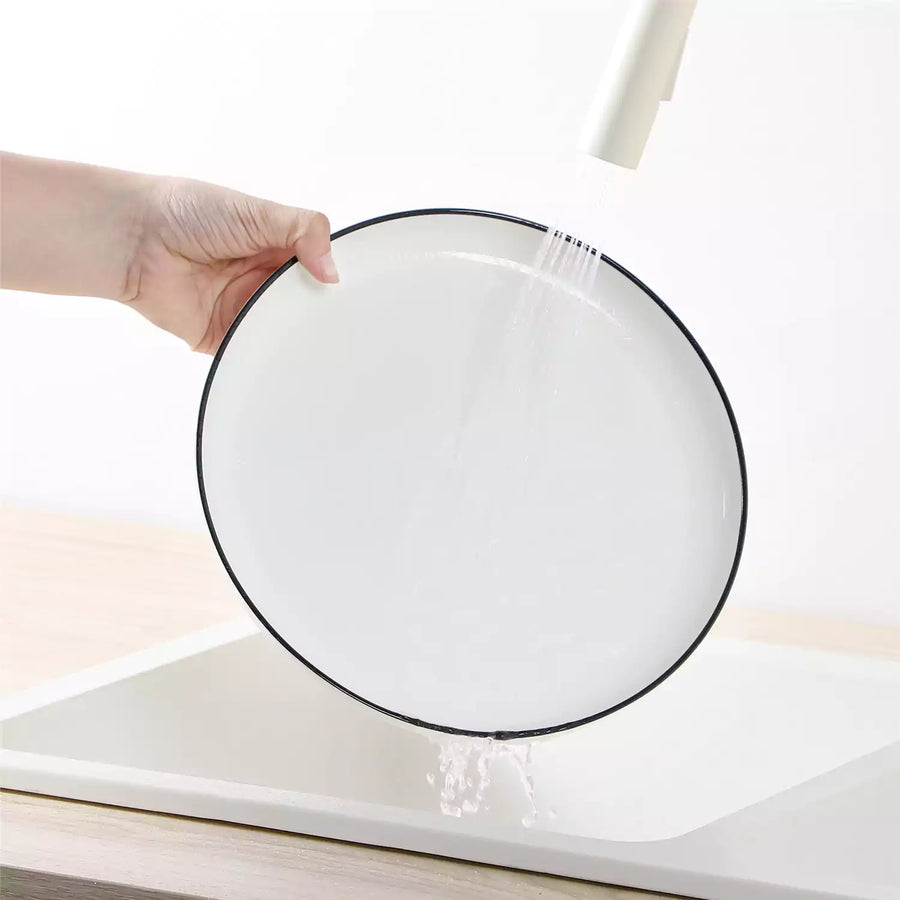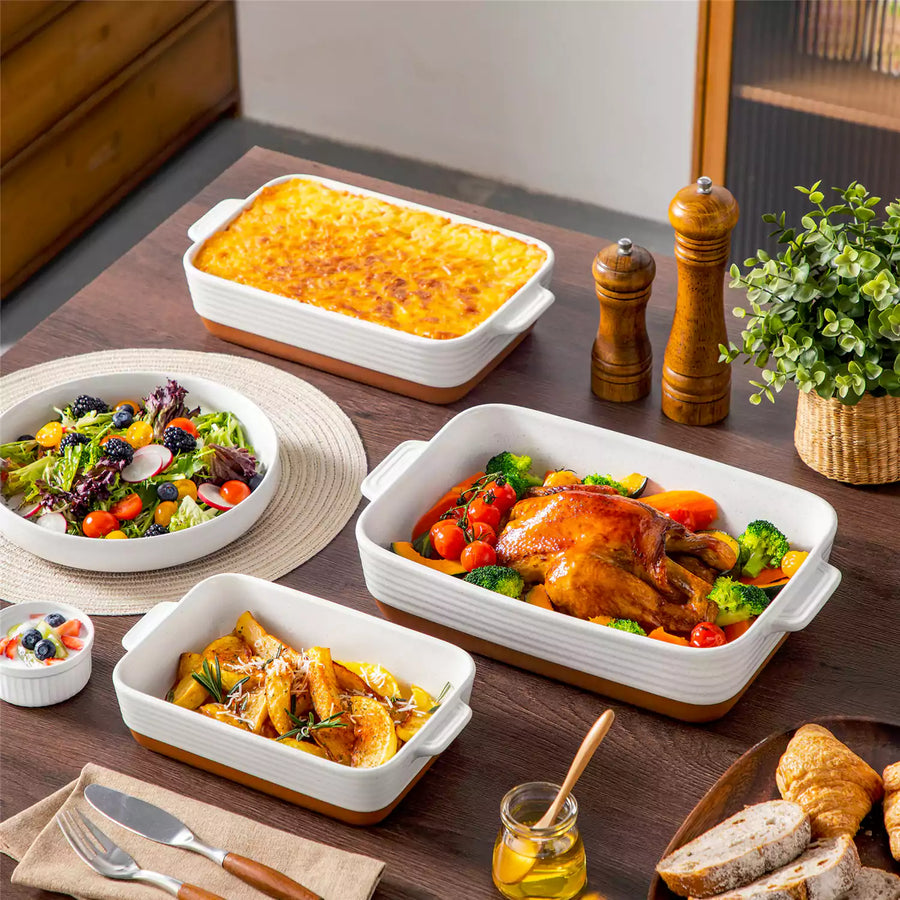


Choose dessert plates based on the desserts you serve most often, the space needed for sauces or garnishes, and how the plates fit into your daily routine. A 7 to 8.5-inch plate works for most slices of cake, pie, brownies, and pastries. Choose 6 to 7 inches for small treats and dessert buffets, or closer to 9 inches for more elaborate plating. Flatter plates suit firm desserts, while raised rims help contain softer or saucy ones. Finally, check the material, weight, stackability, and care instructions before buying.
Start With the Right Dessert Plate Size
Dessert plate names are not completely standardized. One manufacturer may call an 8-inch plate a dessert plate, while another lists the same size as a salad plate. Compare the actual dimensions and usable serving area instead of relying only on the product name.
| Plate Diameter | Best Uses | Main Consideration |
| 6 to 7 inches (15 to 18 cm) | Cookies, cupcakes, petit fours, and small pastries | Compact and easy to carry, but offers limited room for sauce |
| 7 to 8 inches (18 to 20 cm) | Cake, pie, brownies, and cheesecake | Fits most everyday dessert portions |
| 8 to 9 inches (20 to 23 cm) | Plated desserts, fruit, ice cream, sauce, and garnishes | Provides more presentation space but takes up more storage |
The outer diameter does not reveal how much food will fit. A plate with a broad decorative rim may have a smaller center than a rimless plate with the same overall measurement. Check the width of the flat serving area when comparing options.
A 7-inch plate may comfortably hold a slice of cake with a fork. The same plate can feel crowded when serving warm pie with ice cream and sauce. Base the size on the desserts you prepare most often.
Match the Plate Profile to the Dessert
Plate depth and rim design affect how easily a dessert can be served, carried, and eaten.
Flat Plates With a Low Rim
A relatively flat plate gives cake, pie, brownies, cookies, and pastries a stable surface. It also makes cutting with a dessert fork easier. A slight rim contains crumbs without taking away much serving space.
Coupe Plates With Raised Edges
A coupe plate curves upward around the edge. This profile works well for cobblers, sticky puddings, fruit desserts, or cake served with ice cream and sauce. For scoops of ice cream served alone, a dessert bowl provides better containment.
Plates With a Wide Rim
A wide rim frames a carefully plated dessert and can hold a small garnish. However, the border reduces the amount of space available for food. Check the center dimensions before choosing a plate based on its outer diameter.
Choose a Shape That Fits Your Storage and Table
Round dessert plates are easy to arrange, stack, and fit into most dishwashers. They also coordinate with nearly any existing table setting.
Square plates create a more geometric presentation and complement modern dinnerware. Their corners often take up additional space in cabinets and dishwasher racks. Measure the plate at its widest point before buying.
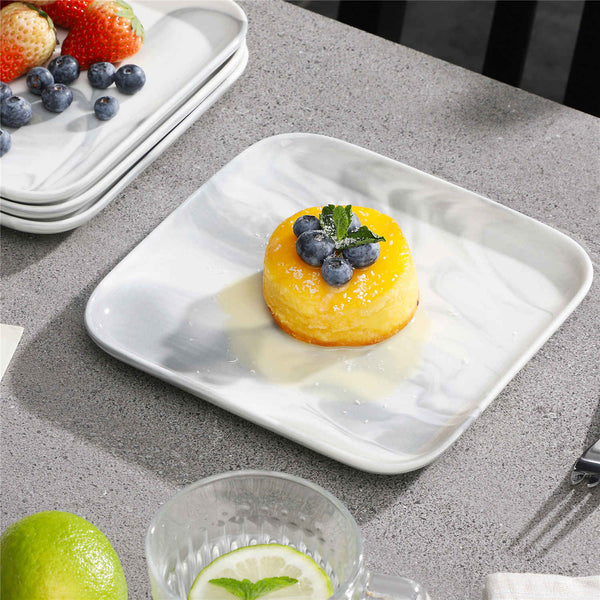
Oval and rectangular plates work well for rows of cookies, pastries, or small tasting portions. They can also serve appetizers, but their shape may make them harder to stack with other dishes.
A versatile dessert plate can handle appetizers, snacks, and other small dishes, making better use of limited cabinet space.
Compare Porcelain and Stoneware Dessert Plates
Porcelain and stoneware are both ceramic materials, but they often create a different look and feel at the table. Thickness, glaze, construction, and product quality matter as much as the material name.

| Feature | Porcelain | Stoneware |
| Typical appearance | Smooth, refined, and often slimmer | Substantial, textured, and often more casual |
| Typical weight | Often lighter at a similar size | Often heavier and thicker |
| Styling | Coordinates with formal and everyday settings | Suits relaxed, rustic, or handcrafted settings |
| Handling | Can be durable despite a finer profile | Feels sturdy but may be heavier to carry |
| Best fit | Versatile and coordinated table settings | Textural and casual tables |
Neither material is automatically suitable for a dishwasher, microwave, freezer, or oven. Metallic trim, reactive glazes, applied decorations, and manufacturing methods can change the care requirements. Follow the instructions for the specific product.
Price also depends on the brand, finish, manufacturing process, and number of pieces. Porcelain is not always more expensive than stoneware, and a thicker plate is not automatically more durable.
Decide Between Neutral and Decorative Plates
White and ivory dessert plates coordinate easily with existing cups, bowls, linens, and serving pieces. They also provide clear contrast for chocolate, berries, fruit tarts, and colorful sauces.

Patterned plates can add character to a simple table. A pattern around the rim usually leaves a quieter center for the food. A full-surface design creates a stronger visual effect but may compete with detailed plating.
Dark plates can emphasize pale desserts such as cheesecake, panna cotta, or vanilla ice cream. Depending on the finish, they may show water spots or utensil marks more clearly.
Dessert plates do not need to match every other piece. Repeating one detail, such as color, trim, shape, or material, can make mixed tableware feel coordinated. A complete dinnerware set may be more practical if you prefer the same design across every course.
Match the Plate to the Occasion
The best choice depends on how the plate will be handled and what else must fit on the table.
| Occasion | Practical Choice |
| Everyday family meals | Stackable plates with simple care requirements |
| Dinner parties | Plates with enough open space for sauce and garnish |
| Dessert buffets | Lightweight plates that guests can carry easily |
| Holidays and celebrations | Coordinated colors, decorative rims, or distinctive shapes |
| Multipurpose use | Plates suitable for desserts, salads, and appetizers |
| Small kitchens | Compact round plates that stack efficiently |
Small plates work well on a dessert table filled with cookies, cupcakes, and bite-sized pastries. A plated dinner dessert usually benefits from more open space, especially when it includes sauce, fruit, or several components.
How Many Dessert Plates Should You Buy?
Start with one plate for every person in your household. Adding two extras is practical if storage and budget allow. A household of four may find a set of six useful for daily meals, guests, and occasional breakage.
Frequent hosts should have enough plates for the largest number of guests they normally invite. One or two spare pieces can prevent a damaged plate from leaving the table incomplete.
Consider how easily the design can be replaced or coordinated with another set. Simple colors and established patterns are usually easier to combine if the original collection becomes unavailable.
What Should You Check Before Buying?
Product photos reveal the style, but they may not show how the plates will function in your kitchen. Check the following details before choosing a set:
- Rim height: A raised edge helps contain sauce, fruit, and soft desserts.
- Plate weight: Heavy plates may become uncomfortable to carry in a large stack.
- Stack height: Thick rims and irregular shapes require more cabinet space.
- Dishwasher fit: Square and oversized plates may not sit securely between rack dividers.
- Care instructions: Confirm dishwasher, microwave, freezer, and oven compatibility separately.
- Set quantity: Match the number of plates to your household and usual guest count.
- Food use: Choose tableware intended for serving food from a reliable manufacturer.
Extra care is appropriate when purchasing antique, damaged, heavily worn, or unverified handmade pottery because lead can leach from improperly made glazes into food. For everyday use, choose tableware clearly intended for serving food and replace chipped or cracked pieces.
Follow the care instructions supplied with each plate. Avoid sudden temperature changes, and make sure pieces cannot knock against one another in the dishwasher. Thin separators can help protect decorative or textured surfaces during storage.
Compare the available porcelain dessert plates by dimensions, rim profile, shape, and set quantity to find an option that fits your desserts and daily routine.
Dessert Plate Size, Materials, and Care FAQs
Q1: What Is the Most Useful Dessert Plate Size?
A diameter of 7 to 8.5 inches fits most cakes, pies, pastries, brownies, and small plated desserts. Choose a larger plate if you regularly add ice cream, sauce, fruit, or garnishes.
Q2: Can a Salad Plate Be Used as a Dessert Plate?
Yes. Salad and dessert plates often overlap in size. The diameter, usable center, and rim profile matter more than the product name.
Q3: Are Dessert Plates and Appetizer Plates the Same?
They can serve the same purpose, especially at 6 to 8 inches. Raised rims suit foods with sauces, while flatter plates work well for pastries and other dry foods.
Q4: Do Dessert Plates Need to Match the Dinner Plates?
No. Matching one element, such as the color, material, shape, or rim detail, can create a coordinated table without using an identical pattern.
Q5: Are Porcelain Dessert Plates Dishwasher and Microwave Safe?
Many are, but compatibility depends on the specific glaze, decoration, and construction. Check the product instructions before placing any plate in a dishwasher, microwave, freezer, or oven.