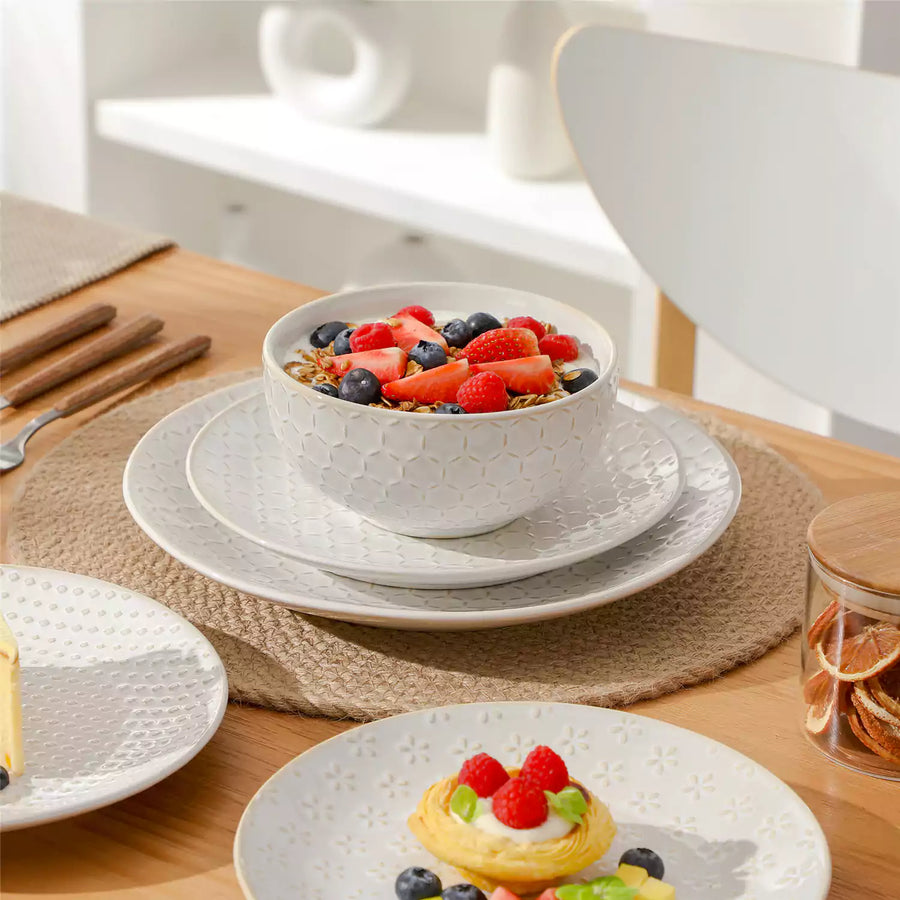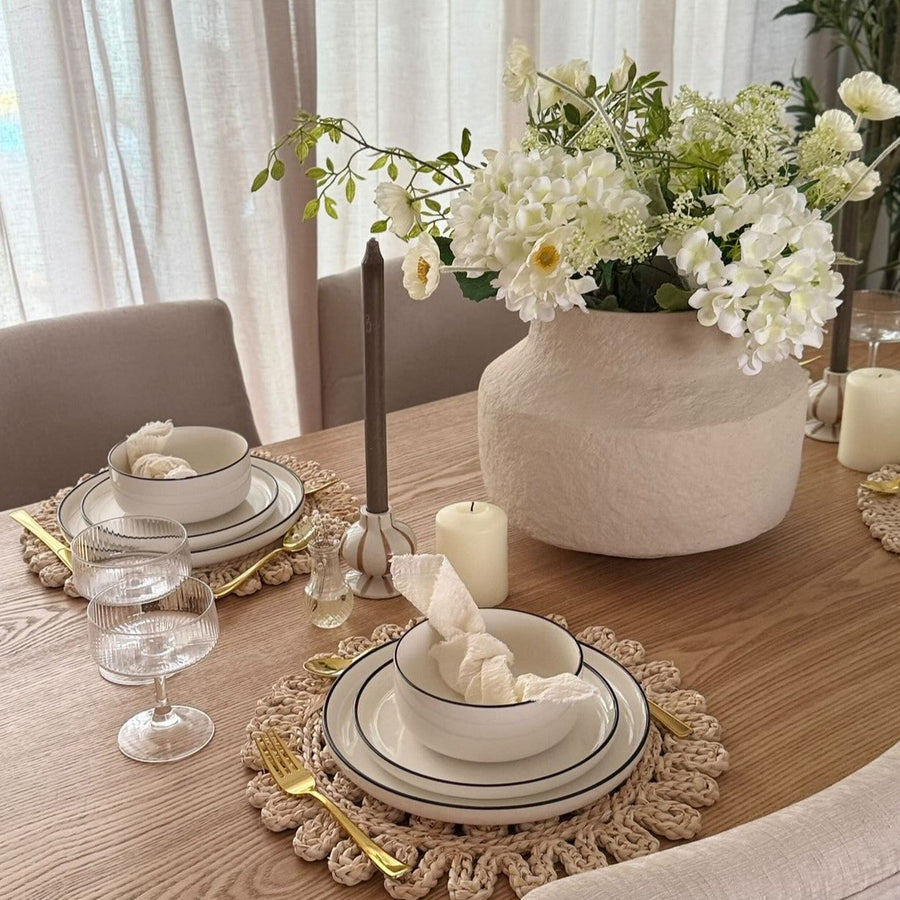


Every great host knows that presentation is as important as preparation. You might have the most delicious food, but without the appropriate serveware, the experience of eating might be incomplete. Serveware is the connection between your kitchen and the table--it turns meals into moments to remember and makes your hard work shine in the best possible light. Whether it is serving dishes with family-style portions or serving plates with elegant designs that emphasize appetizers, a well-considered set of serveware takes your entertaining to the next level.
You may be an amateur entertainer who likes to have intimate dinners with friends or a professional host who is organizing big parties; this guide will take you through the basics of creating a complete and unified serveware set. Platters, bowls, and all the in-between, here is how to select the right pieces, pair them with your dinnerware, and take care of them to last years.
What Is Serveware, and Why Does It Matter to Entertaining?
Serveware is all the objects that are specifically created to serve, portion, and present food at the table. In contrast to dinnerware, which consists of plates, bowls, and mugs that are used to serve a person a single meal, serveware items are designed to serve a larger amount of food to guests to serve themselves. Imagine serving bowls of salads, serving platters of roast meats, or a beautifully stacked serving plate of appetizers.
Why does it matter? Serveware improves functionality and design. Practically, it enables you to divide food without any difficulties, avoid crowding at the table, and ensure that everyone can access every dish. It is aesthetically a unifying element of the entire meal, providing visual balance and making the table appear considerate and refined. Simply put, serveware does not merely contain food, but it also makes the dining experience welcoming.
The Must-Have Trio: Serving Dishes, Serving Bowls, and Serving Platters Every Host Needs
In assembling a serveware set, it is better to begin with the essentials:
Serving Dishes
These are general-purpose, all-purpose objects such as oval casseroles or rectangular trays. Serving dishes are the workhorses of any serveware collection, perfect for baked dishes, pasta, or layered foods.
Serving Bowls
No host can go without a set of serving bowls. Salads, pasta, or rice should be served in large bowls, whereas side dishes, sauces, or dips should be served in medium and small bowls. Different sizes provide flexibility in meals.
Serving Platters
Serving platters are flat or slightly concave dishes that are used to serve proteins such as roast chicken, steak, or fish beautifully. They are also good as appetizers, fruit displays, or desserts. A big oval or rectangular serving dish is especially useful when presenting main courses.

With this three-piece set, which includes dishes, serving bowls, and serving platters, you will never miss a family dinner, holiday feast, or informal gathering.
Sizing It Right: How to Select the Right Serving Plate to Use with Each Dish
Not every serving plate is the same. The size is very important to ensure that you do not overcrowd or leave your dish empty. Here’s a quick guide:
Appetizers and Snacks
Cheese assortments, sushi, or finger foods are best served on small to medium-sized serving plates. These ensure that items do not spread too far and the appearance is clean.
Main Courses
Roasts, grilled meats, or seafood are best served on large serving platters. Select one that has sufficient surface area to present garnish or sauce.
Side Dishes
Medium dishes are ideal with vegetables, potatoes or smaller dishes. They sit well on the table without occupying much space.
Desserts
Round or rectangular serving dishes are a good foundation for cakes, tarts, or fruit displays.
The rule of thumb: The size of the serving plate should be equal to the size of the dish. Smaller and the food appears crowded; bigger and the portions appear small.
How to make a Cohesive Look: How to match your Serveware set with your existing dinnerware
A matching set of serveware does not necessarily imply that everything is the same, but it must be a complement to your dinnerware. Here are some tips:
Stick to a Color Palette
When your dinnerware is neutral colors, you can incorporate color with serveware. To balance the table, use plain white or solid-colored serveware to match bold dinnerware patterns.
Match Materials
Porcelain dinnerware is well matched with porcelain serving dishes, and rustic stoneware is well matched with farmhouse-style tables. Serving bowls made of glass or wood can also be used in combination without any incongruity.
Combine with Design Elements
Find minor similarities, like similar rims, shapes, or finishes. An example of a set of serveware that can be used to unite different designs of dinnerware is a matte finish set.
Make Visual Layers
Combine heights and shapes- raise serving plates and use wide serving bowls to create depth without disrupting the cohesion.
A well-selected set of serveware will make your table look purposeful, and even a simple meal will feel special.
Beyond the Basics: Serving Pieces That Take Your Hosting to the Next Level
After you have the basics, you can add some specialty serving items to your collection. These not only increase your choices but also bring a bit of class:
Gravy Boats and Sauce Servers
Ideal on holidays, these hold the sauces in place and are easily pourable.
Chip-and-Dip Sets
These sets are great to use in casual entertaining and have snack and dip compartments.
Cake Stands and Tiered Trays
These are best used with desserts, afternoon tea, or to present hors d’oeuvres at a party.

Soup Tureens
A serving dish used to serve soups or stews at formal dinners.
Salad Servers and Serving Utensils
Don't leave out the tools! Pairs of utensils guarantee easy serving and a clean appearance.
These are the specialized products that are not necessities but can enhance your hosting style, particularly when you entertain a lot.
Intelligent Care and Storage Solutions to Your Expanding Repertoire of Serving Plates and Bowls
An expanding serveware collection needs careful attention and storage to keep it beautiful and useful:
Washing
It is always important to ensure that your serving dishes are dishwasher-safe. Washing delicate porcelain or stoneware with a mild detergent helps to avoid cracks and fading.

Avoid Stacking Damage
To avoid scratches, when stacking serving plates and bowls, place a soft liner, like felt or cloth, between them.
Organized Storage
Designate a cabinet or shelf with serveware. Space is maximized by adjustable shelves or vertical dividers to ensure that items are accessible.
Safe Handling
In handling larger and heavier serving platters, both hands are to be used to prevent accidental drops.
Rotation
Do not save your best serveware for special occasions; use it daily so it does not get dusty and you do not forget you have it.
Caring about your serveware set properly will not only make it look beautiful but will also help it to endure numerous dinners and celebrations.
Conclusion
It is either a set of platters or bowls, but the creation of a serveware set is a question of functionality, design, and unity. The basis of your collection is serving dishes, serving bowls, and serving plates, and specialty items allow you to host with style. Using the correct sizes, matching them with your existing dinnerware, and intelligent care, you can create a serveware set that will turn every meal into a fine dining experience.
Entertaining is not just about sharing food but also making moments. The right serveware will never leave your table wanting.