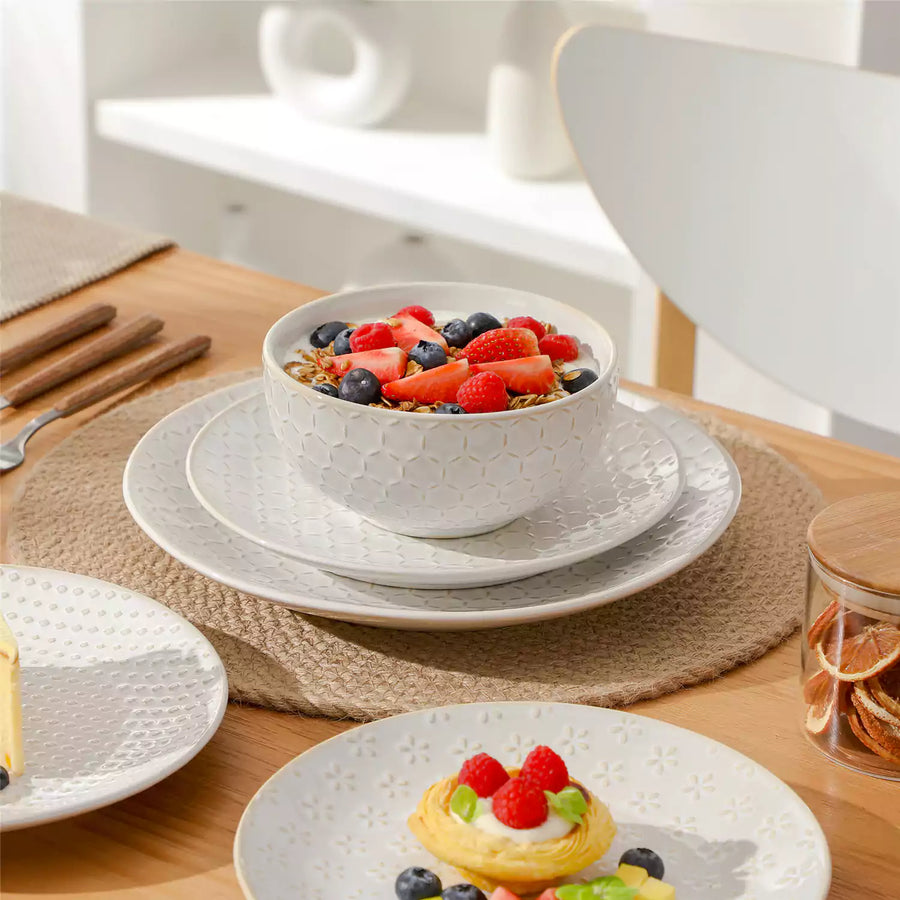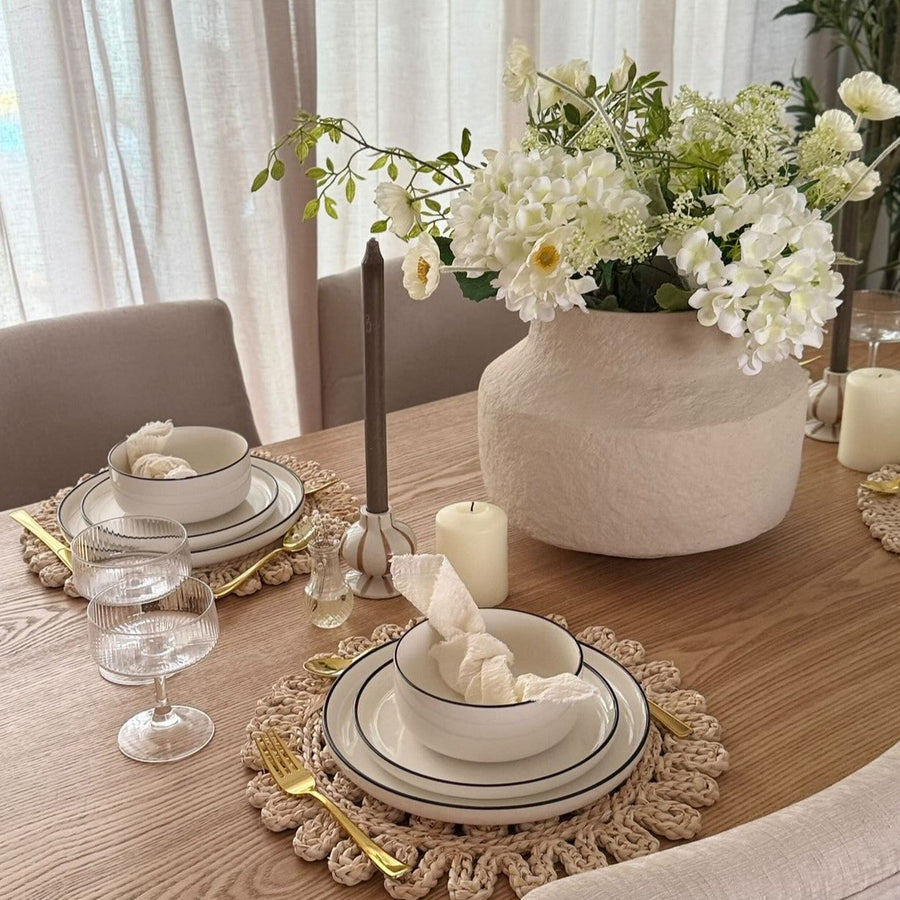


What if your dinner plates could actually make you excited about setting the table? Modern dinnerware sets have moved far beyond basic white ceramics, now featuring everything from matte finishes to asymmetrical designs that turn every meal into a style statement. People are finally realizing that beautiful, functional dinnerware doesn't have to cost a fortune or be too fancy for everyday use. With 2026's hottest trends focusing on both aesthetics and practicality, you can easily find pieces that match your vibe and lifestyle perfectly.

Top 10 Modern Dinnerware Trends for 2026
1. Earthy & Natural Tones
Earthy shades are having a huge moment in 2026. Earth tone dinnerware in warm beige, taupe, terracotta, sage green, soft gray, and rich brown creates a cozy, relaxed vibe that works with practically any kitchen style. Classic white dinnerware remains the ultimate neutral choice, working seamlessly with any décor and making food colors pop beautifully. These neutral dinnerware colors never clash with your food or décor, which makes them super versatile for everyday use. They also look amazing in photos, so if you like posting your meals online, these colors will make everything look more appetizing. The best part is that earthy tones and whites are timeless – you won't get tired of them in a few years like you might with trendier colors.
2. Bold & Vibrant Color Palettes
Forget playing it safe with boring colors – 2026 is the year to go bold with your dinnerware. Colorful dinnerware sets in bright reds, sunny yellows, and electric blues are everywhere right now, and for good reason. These cheerful colors make every meal feel more special, whether you're eating cereal for breakfast or hosting friends for dinner. Bright dinnerware works great if you have plain white or gray walls since it adds that fun personality your kitchen might be missing. You can even mix different bright colors together – many brands make it easy by offering pieces in coordinating shades.
3. Asymmetrical & Geometric Shapes
Round plates are still great, but unique shaped dinnerware is really taking off. Square plates, hexagonal bowls, and dishes with wavy or irregular edges are showing up in more and more homes. Geometric dinnerware makes your table look more interesting and can actually make your food look fancier without any extra effort. They work especially well in modern kitchens where people like clean, architectural lines.
4. Matte & Textured Finishes
Shiny plates are fine, but matte finishes are where it's at right now. Matte dinnerware sets have a smooth, non-reflective surface that looks expensive and sophisticated. The finish doesn't show water spots or fingerprints as much as glossy plates do, which means less cleaning for you. Textured plates with slightly rough or bumpy surfaces add visual interest and feel nice to touch.
5. Minimalist Clean Lines
Sometimes the simplest designs are the most beautiful. Minimalist dinnerware with clean, straight lines and no extra decoration creates a calm, organized feel at your table. Simple dinnerware sets work with any type of food you're serving and won't distract from your cooking. This style comes from Japanese and Scandinavian design ideas that focus on functionality and quality over flashy details.
6. Saturated Jewel Tones
Want something colorful but more sophisticated than bright primary colors? Jewel tone dinnerware in deep emerald green, rich navy blue, and burgundy gives you that pop of color with a more grown-up feel. Deep colored plates work for both casual family dinners and fancy entertaining, and they make even simple meals look more elegant. These rich colors pair beautifully with gold or brass utensils and can instantly elevate your table setting. The colors are also forgiving – they don't show stains as easily as lighter shades and actually look better as they develop character over time.
7. Nature-Inspired Patterns
People love bringing natural elements into their homes, and nature pattern dinnerware makes this easy. Botanical dinnerware with leaf designs, flower prints, or tree branch patterns creates a fresh, outdoor feeling inside your dining room. These patterns work great if you have lots of plants or natural light in your kitchen. The designs can be subtle and delicate or bold and graphic, depending on your style.
8. Romantic Curved Silhouettes
Sharp, angular designs are nice, but curved dinnerware with soft, flowing lines is really popular right now. Plates with gently scalloped edges, bowls with organic curves, and elegant plate designs with subtle fluting add a feminine, graceful touch to your table. These pieces often have a vintage or antique feel that appeals to people who love traditional or farmhouse styles.
9. Seasonal Color Collections
Instead of using the same dinnerware all year long, many people are switching their dishes with the seasons. Seasonal dinnerware lets you change your table's mood throughout the year – maybe warm oranges and browns for fall, soft pastels for spring, or rich reds and greens for winter holidays. Holiday dinnerware sets are especially popular because they make special occasions feel more festive.
10. Mixed Pattern Combinations
The old rule about everything matching perfectly is officially over. Mix and match dinnerware is huge right now, with people combining different patterns, colors, and even shapes for a more personal, collected look. You might use floral plates with striped bowls, or combine solid colors with patterned pieces. Pattern mixing plates work best when you choose pieces that have something in common – maybe they share a color or have a similar scale.

What Materials Make the Best Dinnerware for Your Home?
Traditional Materials
Porcelain Dinnerware
Porcelain is what most people consider the nicest type of dinnerware, and there's a good reason porcelain dinnerware sets are so popular. This material starts as fine clay that gets heated to really high temperatures, which makes it both strong and beautiful.
- Pros: Porcelain feels smooth and won't absorb liquids or pick up stains easily. It's pretty tough and won't chip as easily as you might think. Most porcelain works great in the microwave, dishwasher, and oven, so you can use it for just about anything. It also looks elegant enough for special occasions while being practical for everyday use.
- Cons: It will break if you drop it on a hard floor, and porcelain tends to be more expensive than other ceramic options.
- Best for: People who want dishes that look sophisticated but can handle daily use and all kitchen appliances.
Ceramic & Stoneware
When most people think of regular dinner plates, they're probably thinking of ceramic dinnerware. This includes both earthenware and the stronger stoneware sets. Stoneware gets fired at higher temperatures than regular ceramic, which makes it thicker and more durable.
- Pros: These dishes cost less than porcelain and come in tons of different colors and patterns. Ceramic and stoneware handle everyday use really well and work fine in the dishwasher and microwave. They're also widely available and affordable to replace.
- Cons: They feel heavier than porcelain, and the edges can chip if you knock them around too much. Stoneware is generally more durable than regular ceramic, but both can show wear over time.
- Best for: Families who want reliable, affordable dishes that can handle daily use without breaking the budget.
Bone China Dinnerware
Bone china is basically porcelain with some bone ash mixed in, which makes it stronger and gives it that creamy white look. Even though bone china dinnerware feels lighter than regular porcelain, it's actually tougher.
- Pros: You can see through it a little bit when you hold it up to the light, which makes it look really elegant and expensive. It goes in the dishwasher just fine and doesn't break easily despite feeling delicate. It's the strongest of all ceramic materials.
- Cons: The only real problem is that it costs more than other options – often significantly more. The selection of colors and patterns is also more limited than other materials.
- Best for: People who want the finest dinnerware available and don't mind paying extra for premium quality and appearance.
Modern Alternative Materials
Melamine & BPA-Free Options
Today's melamine dinnerware looks way better than the obviously plastic plates from years ago. Good melamine pieces can look almost exactly like ceramic plates, but they won't break even if you drop them on concrete.
- Pros: These dishes are super light, go in the dishwasher, and come in every color you can imagine. Safe dinnerware now includes melamine that doesn't have BPA or other chemicals. They're perfect for eating outside, feeding kids, or anyone who's sick of buying new plates all the time.
- Cons: You can't put them in the microwave, and knives will eventually leave marks on them. They may also discolor over time with certain foods like tomato sauce.
- Best for: Families with young children, outdoor entertaining, or anyone who wants virtually unbreakable dishes.
Bamboo & Eco-Friendly Materials
More people are buying eco friendly dinnerware made from bamboo, wheat stalks, or other plants. Bamboo dinnerware naturally fights bacteria, breaks down in compost, and holds up surprisingly well for daily use.
- Pros: These dishes don't weigh much and are safe for both kids and adults. A lot of eco-friendly plates and bowls can be composted when they wear out, which appeals to people who care about the environment. They're also usually affordable and have a natural, attractive look.
- Cons: Most of these materials can't go in the microwave or dishwasher, and they won't last as long as ceramic dishes. They require more careful handling and maintenance.
- Best for: Environmentally conscious households who don't mind hand-washing dishes and want sustainable options.
Glass Dinnerware
Glass dinner plates and bowls give you a clean, simple look that works with any table setting. The strong tempered glass used for dinnerware is much tougher than regular glass and can handle hot and cold foods without cracking.
- Pros: Glass doesn't absorb smells or stains, and it's really easy to get completely clean. You can see exactly how clean your dishes are, which some people really like. Plus, glass can be recycled completely when you're done with it. It's also non-porous and won't harbor bacteria.
- Cons: Glass dishes are heavier than most other options, and they can still break if you're not careful, even though the tempered versions are pretty tough. They can also show water spots and fingerprints more easily.
- Best for: People who want a modern, minimalist look and prioritize easy cleaning and hygiene.
Wood & Stone Materials
Wooden dinnerware brings a natural, cozy feeling to your table and works especially well for salad bowls and serving dishes. Wood naturally fights bacteria and won't make your knives dull like harder materials do.
- Pros: Wood creates a warm, natural aesthetic and is naturally antibacterial. Stone materials like marble look luxurious and stay cool naturally, which is great for serving cheese or desserts.
- Cons: Wooden dishes need more attention – you have to wash them by hand and rub them with oil sometimes to keep them from cracking. Stone options are heavy and can be pricey. Both materials require special care and aren't dishwasher safe.
- Best for: People who love natural materials and don't mind the extra maintenance, or for special serving pieces rather than everyday dinnerware.
Which Material Works Best for You?
- For Daily Family Meals: Stoneware or ceramic give you the best mix of toughness, reasonable price, and good looks. They handle going in the dishwasher and microwave every day without problems.
- For Nice Dinners: Porcelain or bone china make your table look elegant for dinner parties and holidays, but they're still practical enough to use regularly.
- For Eating Outside: Melamine can't be beat for deck dinners, pool parties, or camping since it won't break if you drop it and doesn't weigh much to carry around.
- For Families with Small Kids: BPA-free melamine or bamboo are safe, won't break, and are cheap enough to replace when needed.
- For Earth-Friendly Homes: Bamboo and other plant-based materials let you make a more sustainable choice that still works well for most everyday eating.
- For Clean, Simple Style: Glass dinnerware gives you a modern look that makes food look great and goes with any kitchen décor.
The best material for your home depends on how you plan to use your dishes, what you want to spend, and how much maintenance you're willing to do.

How to Choose the Perfect Dinnerware Set
Buying the right dinnerware set requires more than just picking something pretty – you need dishes that match your lifestyle, budget, and home. Here's a step-by-step approach to finding exactly what you need.
Assess Your Needs
Before you start shopping, take a realistic look at how you actually live and eat. This will help you avoid buying dishes that end up sitting unused in your cabinets.
Family Size Considerations
The number of people in your household directly affects how many place settings you should buy:
| Household Size | Recommended Place Settings | Typical Set Size | Best For |
| 1-2 people | 4 place settings | 16-piece set | Singles, couples, small apartments. |
| 3-4 people | 6 place settings | 24-piece set | Small families, occasional guests. |
| 5-6 people | 8 place settings | 32-piece set | Larger families, regular entertaining. |
| 6+ people | 10-12 place settings | 40+ piece set | Big families, frequent hosts. |
A dinnerware set for family of 4 typically works well with 6 place settings, giving you extras for guests or replacements when pieces break.
Lifestyle Factors
Your daily routine should guide your dinnerware choice:
- Busy families with kids need everyday dinnerware that's virtually unbreakable and dishwasher safe – think stoneware or melamine.
- Frequent entertainers might want two sets: casual dishes for daily use and formal dinnerware for special occasions.
- Minimalists often prefer simple, versatile pieces that work for any occasion.
- Outdoor enthusiasts should consider melamine or bamboo options that won't break during patio dining or camping.
- Empty nesters might finally invest in the nice china they always wanted but couldn't use with small children around.
Style Matching Guide
Your dinnerware should feel like a natural part of your home's overall look. Here's how to make sure everything works together harmoniously.
Kitchen Décor Coordination
Match your dishes to your existing kitchen style:
| Kitchen Style | Best Dinnerware Choices | Colors to Consider | Patterns That Work |
| Modern/Contemporary | Clean lines, geometric shapes. | White, black, bold solids. | Minimal patterns, geometric. |
| Farmhouse/Rustic | Textured finishes, vintage looks. | Cream, earth tones, pastels. | Floral, gingham, simple stripes. |
| Traditional/Classic | Elegant shapes, formal patterns. | White, navy, burgundy. | Timeless florals, elegant borders. |
| Scandinavian/Minimalist | Simple forms, natural materials. | White, light gray, soft colors. | Solid colors, very subtle patterns. |
Color Scheme Selection
Choose colors that will work with your space and lifestyle:
1. Neutral colors (white, cream, light gray) work with any food and never go out of style.
2. Earth tones (sage, terracotta, warm beige) are trendy now and complement natural materials.
3. Bold colors (navy, emerald, burgundy) make a statement but should match your décor.
4. Seasonal colors let you change your table's mood throughout the year.
5. Monochromatic schemes using different shades of the same color create sophisticated looks.
Pattern Mixing Tips
Mix and match dinnerware successfully with these guidelines:
1. Start with a common color that appears in all your pieces, even if the patterns are different.
2. Vary the pattern scale – pair large florals with small geometric designs.
3. Use the 60-30-10 rule – 60% solid or subtle pattern, 30% medium pattern, 10% bold pattern.
4. Stick to similar styles – don't mix ultra-modern with vintage country patterns.
5. Test combinations by laying pieces together before buying to see how they look.
Budget Planning
Dinnerware prices vary dramatically, but you can find good options at every price point. Here's what to expect in each budget range.
Budget-Friendly Options ($20-60)
You don't need to spend a lot to get decent dinnerware. Basic ceramic sets from stores like Walmart or IKEA work well for everyday use. Simple stoneware dishes are tough enough for daily meals, and melamine plates are perfect if you have kids who drop things. Plain white sets go with everything and never look outdated. Sets in this price range usually come with 4 place settings and basic pieces, but they might not last as many years as expensive options.
Quality Options ($60-200)
This price range gives you the best bang for your buck. You'll get stronger ceramic and stoneware that looks better and lasts longer than cheaper options. Basic porcelain sets in this range look nice enough for company but work fine for daily use too. MALACASA collections like Leah, Tara, Leila, and Luna offer good porcelain choices that fall into this price category. Many sets come with extra serving pieces so you get everything you need in one box.
Premium Investment Pieces ($200-800+)
Expensive dinnerware is built to last decades. Premium bone china from famous brands like Wedgwood or Lenox can handle daily use for years without showing wear. These sets often have hand-painted details and come with guarantees that let you replace broken pieces. They usually include service for 8-12 people plus all the serving dishes you need for big dinner parties. These are the dishes you pass down to your kids.
Modern Dinnerware Sets: Making Your 2026 Choice Simple
The best dinnerware set is one that fits how you live, not just how your kitchen looks. Consider your family size, daily routine, and what you can realistically maintain before falling in love with a particular style. From budget-friendly ceramic to premium porcelain, there's something perfect for every home and price point. Don't overthink it – good dinnerware should make meals more enjoyable, not stress you out. Browse the latest collections and find pieces that make you happy to set the table.