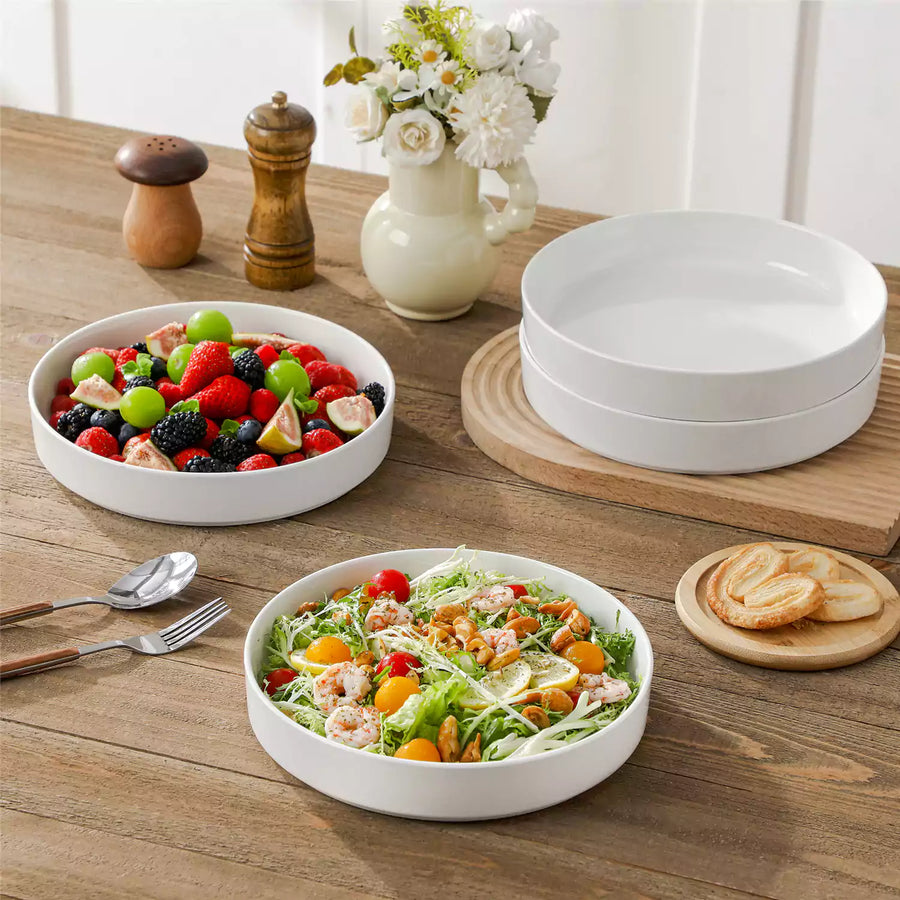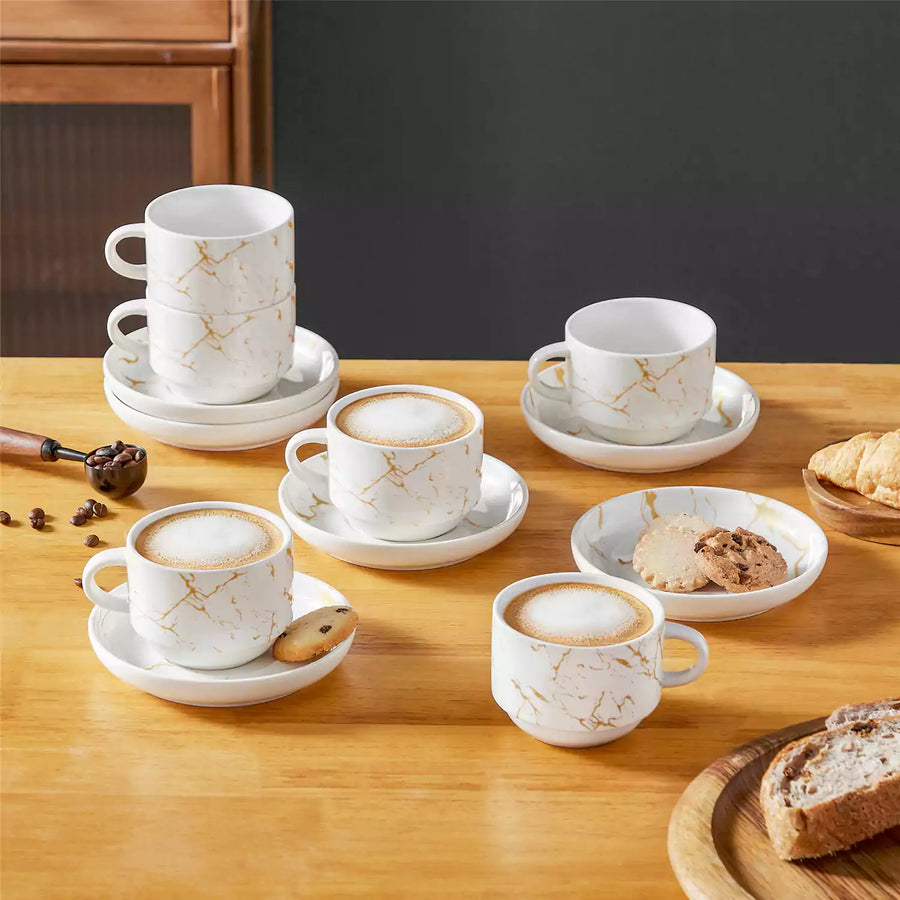



Ceramic and silicone tableware can be useful when you want a firm eating surface with extra grip underneath. A fitted base may reduce sliding, while a removable sleeve can make a particular dish easier to hold. The trade-offs are extra cleaning, fit requirements, and a ceramic body that can still break. The combination is worth considering when it solves a specific handling problem. For dishes that already work comfortably at your table, adding silicone may offer little benefit.

What Counts as Ceramic and Silicone Tableware?
Ceramic includes porcelain, stoneware, and earthenware. In a combined plate or bowl, the ceramic usually forms the rigid body, while silicone provides a flexible base, ring, or sleeve.

The position of the silicone changes what it does. A ring beneath a bowl contacts the table; a sleeve around a mug contacts your hand. Neither necessarily touches the food. By contrast, food served in an all-silicone bowl rests directly on silicone.

There are also two ways to combine the materials:
- A purpose-built dish has silicone parts designed to fit its ceramic body.
- A separate accessory sits beneath or around an existing dish, such as a mat or compatible sleeve.
A plate on a silicone mat remains two separate items. That arrangement can be enough for occasional sliding, without the fit requirements of a sleeve. A fitted base stays with its matching dish, but adds attachment edges that need cleaning.

How Do Non-Slip Mats and Suction Bases Differ?
A non-slip mat uses friction; a suction base also needs a seal. This difference explains why two silicone accessories can behave very differently on the same table.
A flat mat increases resistance to sideways movement between the dish and the surface underneath. It may help a bowl stay put while you scoop food, but it does not lock the bowl down. The dish can still lift away, and the mat itself may move.
A suction base works by pushing air out beneath a flexible cup and forming a seal. It holds best on smooth, nonporous surfaces, such as glass, where air cannot easily enter around the rim. Rough wood, seams, and textured high-chair trays may prevent a reliable seal.
For a bowl that slides while someone uses a spoon, a flat, stable mat may be sufficient. For a purpose-built suction bowl, first check that its base fits entirely on the tray and does not overlap an edge or seam.
If suction fails, clean the base and contact surface, remove food residue, and press it into place using the product’s instructions. If it still releases easily, the surface or fit may be unsuitable. Pushing harder will not correct that mismatch.
Even a good seal can be released by lifting an edge or tab. Suction should be treated as help with stability, especially around children, rather than a guarantee against spills.
When Is the Combination a Better Choice?
Choose around the difficulty you actually experience at meals.
| Your Situation | A Suitable Starting Point | What to Watch |
| Your dishes stay steady and feel comfortable | Ceramic alone | Extra accessories add cleaning without solving a problem |
| A plate or bowl slides while you eat | A flat silicone mat or compatible non-slip base | The dish should sit level without rocking |
| You want a ceramic eating surface with suction | A purpose-built combination | The base must seal on your table or tray |
| Dishes are regularly dropped or thrown | Break-resistant tableware designed for that use | A ceramic body remains vulnerable, even with silicone attached |
| You want grip around a mug | A sleeve designed for that mug | Grip and heat protection are different features |
For someone who finds a bowl difficult to keep still, added friction can make scooping more manageable. Weight matters too: a heavy bowl with strong suction may be difficult to lift or release. Choose a setup that works through the whole meal, including clearing the table.
For young children who frequently throw dishes, breakage deserves more weight in the decision than appearance. Silicone does not make a ceramic plate unbreakable, and supervision remains necessary.

If your porcelain dinnerware already suits your meals, try a suitable mat where sliding occurs before replacing the set. One seat may need extra grip while the others work well without it.
Can You Microwave or Heat the Two Materials Together?
Only heat an assembled dish when its instructions allow that use. A microwave-safe ceramic bowl and a heat-resistant silicone accessory do not automatically become a microwave-safe combination.
Microwave-safe does not automatically mean oven-safe. Look for instructions covering the complete dish, including whether the base or sleeve should be removed. When those instructions are missing, transfer the food to a container clearly approved for the heating method.
A removable base intended to grip a table may have different limits from silicone bakeware. Likewise, a ceramic dinner plate should not be treated as a baking dish simply because both are ceramic.
Food-contact suitability also matters. Buy tableware intended for serving food from an identifiable manufacturer. Certain antique, damaged, or improperly made ceramics can pose a lead-leaching risk; decorative pieces of unknown suitability should stay out of food service.
For silicone that touches food, look for clear use limits and relevant testing information. Food-contact requirements concern what can transfer into food under expected use conditions. “Food-grade” wording alone does not tell you whether an accessory is suitable for baking, boiling, or repeated microwave use.
Handle heated dishes with appropriate oven mitts. Avoid abrupt temperature changes in ceramic, such as rinsing a hot bowl with cold water. A silicone cover does not remove that risk.

How to Clean and Care for Removable Silicone Parts
Combined tableware has more surfaces to clean than a plain plate. Food and wash water can collect beneath sleeves, around grooves, and where the two materials meet.
For a design with removable parts:
- Take off the base or sleeve.
- Wash the ceramic and both sides of the silicone accessory.
- Clean attachment grooves and edges with a soft tool.
- Rinse thoroughly and let both parts dry before reassembling.

Clean beneath the accessory, not just around it. A dish can look clean from above while residue remains hidden underneath.
If the parts are dishwasher-safe, arrange them so water can reach their surfaces. Keep flexible accessories from folding around other items. Permanently attached components need the cleaning method specified for the assembled product; do not force them apart.
During cleaning, check the ceramic beneath the cover for chips or cracks. A sleeve may conceal damage, but it cannot restore a broken rim or cracked body.
When choosing a new combination, favor a design you can clean without struggling to remove and refit the accessory. Replacement bases are also useful: the silicone may need replacing while the ceramic remains serviceable.
Ceramic and Silicone Tableware Questions
Q1. Why Does Silicone Tableware Sometimes Taste Like Soap?
Fragranced detergent or residue left after washing can cause a soapy aftertaste. Try a mild, unscented detergent and rinse thoroughly. If the taste persists, contact the maker for suitable cleaning advice. Avoid baking or boiling the item unless its care instructions expressly allow it.
Q2. Can I Add a Silicone Suction Base to Any Ceramic Plate?
No. Aftermarket bases need to match the plate’s underside, dimensions, and attachment design. A matching diameter alone may not account for a raised foot or curved profile. Choose an accessory with stated compatibility rather than assuming it will work with every plate of a similar size.
Q3. Does a Silicone Mug Sleeve Protect Your Hand From Burns?
Not necessarily. Some sleeves primarily improve grip, and a thin layer may not provide enough insulation for a very hot mug. Choose a sleeve designed for the intended temperature. Use the mug’s handle or suitable heat protection rather than relying on the sleeve alone.
Q4. How Often Should You Replace a Silicone Base?
There is no single replacement interval for every product. Replace a base when it tears, changes shape, no longer fits securely, or cannot be cleaned properly. A loss of suction may also come from residue or an unsuitable table surface, so check those before replacing an undamaged base.
Q5. Can You Stack Plates With Silicone Bases Attached?
Yes, if they are designed to nest that way and the stack remains stable. Thick rings or suction cups can leave plates tilted or poorly supported. Dry the parts before storage, keep stacks manageable, and remove the bases when they prevent the dishes from sitting evenly.

Choose Extra Grip Where You Need It
Start with the dish that feels comfortable and suits the food you serve. Add a flat mat for ordinary sliding, or choose a matched suction design when the surface allows a reliable seal. A combination that stays level, cleans easily, and has clear heating instructions can be a useful part of everyday dining.